
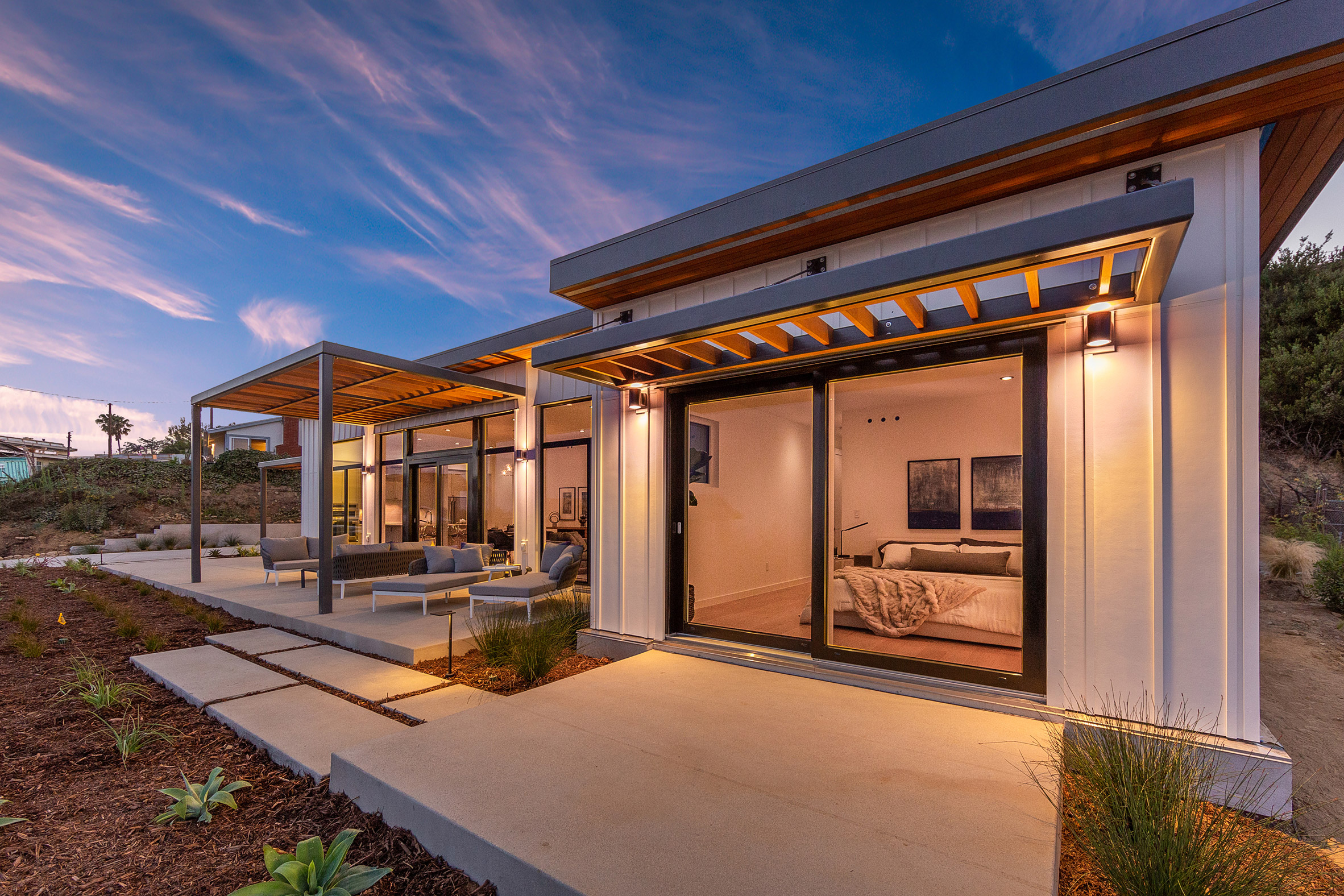
California Hyperloop Nexus (CHN): "AetherLink" – Futuristic Underground Network for a Decentralized Golden State.
AetherLink is a visionary underground hyperloop network that revolutionizes California living and working. Vacuum-tube pods propelled at near-supersonic speeds (cruising 600–750 mph, with effective door-to-door times accounting for acceleration, deceleration, and station access) connect major urban cores in minutes. This enables true "live far, work near" lifestyles: commute in under 60 minutes (often 15–40) from affordable, newly developed communities while enjoying big-city jobs, culture, and amenities.
The system is fully underground for seismic resilience, noise reduction, and minimal surface disruption, with maglev-vacuum tech, AI-optimized scheduling (pods on demand every 2–5 minutes), and renewable-powered stations. It integrates with local transit, autonomous pods, and vertical-takeoff eVTOL hubs. Total network spans key corridors along I-5/99 alignments, with branches for broader coverage.Core Network Hubs (Major Urban Centers)
Stations are futuristic multi-use "Aetherports" modeled on efficient Japanese transit hubs but amplified:
Key Feeder Cities with Approximate Hyperloop Travel Distances/Times to Primary Centers (straight-line/ corridor-based; times conservative for boarding/exiting):
For Los Angeles Metro:
Implementation would require bold public-private vision, but the tech and economics align for a transformative future.
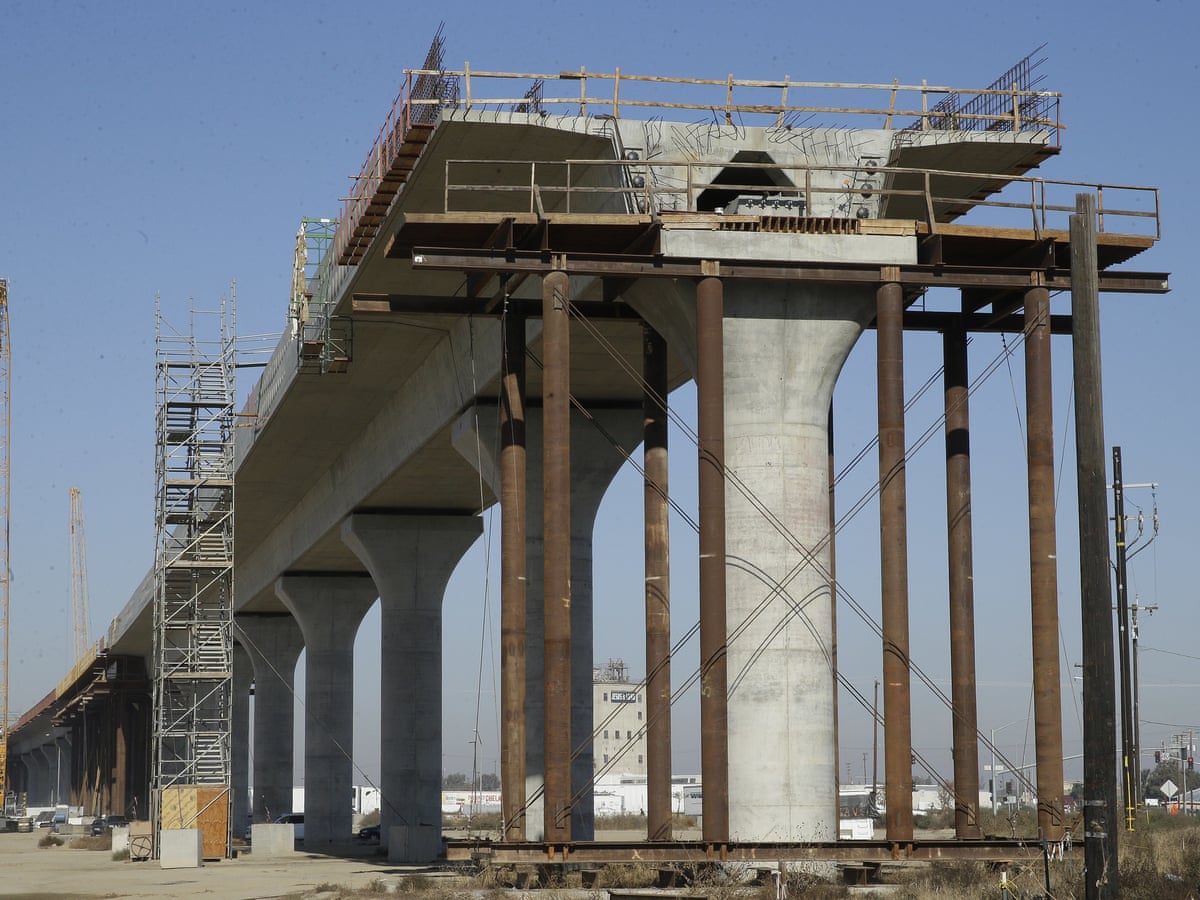
AetherLink is a visionary underground hyperloop network that revolutionizes California living and working. Vacuum-tube pods propelled at near-supersonic speeds (cruising 600–750 mph, with effective door-to-door times accounting for acceleration, deceleration, and station access) connect major urban cores in minutes. This enables true "live far, work near" lifestyles: commute in under 60 minutes (often 15–40) from affordable, newly developed communities while enjoying big-city jobs, culture, and amenities.
The system is fully underground for seismic resilience, noise reduction, and minimal surface disruption, with maglev-vacuum tech, AI-optimized scheduling (pods on demand every 2–5 minutes), and renewable-powered stations. It integrates with local transit, autonomous pods, and vertical-takeoff eVTOL hubs. Total network spans key corridors along I-5/99 alignments, with branches for broader coverage.Core Network Hubs (Major Urban Centers)
- Los Angeles Metro Hub (Downtown LA / Union Station area, with spokes to LAX, Hollywood, etc.).
- San Francisco Bay Area Hub (Central station serving SF, Oakland, and San Jose via short surface/underground links).
- San Diego Central Hub.
- Sacramento Capital Hub.
- Inter-hub times: LA
 Bay Area ~25–35 minutes; LA San Diego ~15–20 minutes; Bay Area Sacramento ~15–25 minutes.
Stations are futuristic multi-use "Aetherports" modeled on efficient Japanese transit hubs but amplified:
- Japan-style tiny sleeping pods (compact, soundproof, app-booked for naps, overnights, or layovers—perfect for shift workers or late pods).
- 24/7 gyms with VR fitness, recovery suites.
- Gourmet food courts emphasizing local/vertical farm produce, robotic prep for speed.
- Shower/hygiene facilities, co-working lounges, retail, and childcare pods.
- Direct integration with housing via underground people-movers or autonomous shuttles.
- Green atriums, holographic art, and wellness centers for a "third place" vibe.
For Los Angeles Metro:
- Bakersfield (pop. ~420K, expandable): ~110–120 miles. ~12–18 minutes. Major southern feeder with vast land for pre-fab subdivisions. Agricultural base + new tech/light industry.
- Palmdale / Lancaster (Antelope Valley): ~50–70 miles. ~8–12 minutes. High desert with room for explosive growth; already a commuter area, now hyper-connected.
- Victorville / High Desert area: ~70–90 miles. ~10–15 minutes. Affordable desert living with mountain views.
- Fresno (pop. ~550K): ~150–180 miles to Oakland/SF area. ~18–25 minutes. Central Valley powerhouse; becomes a major bedroom community with extensive new housing rings.
- Stockton: ~70–90 miles to Bay Area / Sacramento. ~10–15 minutes. Delta-region hub with waterfront redevelopment potential.
- Modesto: ~80–100 miles to Bay Area. ~12–18 minutes. Ideal scale for family-oriented pre-fab communities.
- Merced / Visalia area extensions: Slightly further (~20–30 min), tapping additional Central Valley capacity.
- Extensions from Stockton/Modesto (already close) plus new northern feeders like Marysville/Yuba City for broader reach.
- Inland Empire extensions (e.g., Riverside/San Bernardino spokes, ~20–30 min) and potential desert links, feeding housing from more affordable inland spots.
- Ring/loop elements in dense areas for intra-metro speed.
- Cargo pods for same-hour deliveries, reducing trucking needs.
- Tourist/Express lines to Yosemite, Tahoe, etc.
- Phased build: Start with LA–Bakersfield and Bay–Fresno spines, leveraging existing Central Valley alignments.
- Sustainability: Solar/geothermal-powered, carbon-negative construction, wildlife corridors preserved.
Implementation would require bold public-private vision, but the tech and economics align for a transformative future.
California Hyperloop Nexus: A Fresh Start for 21st-Century Mobility and Housing
California stands at a crossroads. Decades of infrastructure paralysis, skyrocketing housing costs, and traffic-choked corridors have stifled economic growth and quality of life. The state's long-troubled high-speed rail project, originally envisioned as a transformative connector, has become a cautionary tale of bureaucratic inefficiency, with costs ballooning from initial estimates around $33 billion to over $100–230 billion for partial or full Phase 1 buildout, while delivering minimal tangible progress after billions already spent.
Rather than doubling down on reform or endless political battles, visionary leadership in Sacramento can chart a bold new path. A single comprehensive bill—let's call it the California AetherLink Mobility and Housing Act—would redirect resources, invite private innovation, and deliver results within a decade.The Legislative Framework: Clean Slate, Private Innovation, Public BenefitThe bill would do the following:
Stations become futuristic Aetherports: multi-level hubs with Japan-inspired tiny sleeping pods, 24/7 gyms and recovery suites, gourmet food courts with vertical-farm produce and robotic kitchens, shower facilities, co-working spaces, and direct autonomous shuttles to housing. Renewable energy (solar, geothermal) powers the system, with AI-optimized on-demand pods every 2–5 minutes.
Key feeders include:
For AetherLink, assume a comprehensive network of ~800–1,200 miles total (core spines LA–Bay Area, LA–San Diego, Bay–Sacramento, plus multiple feeder branches and intra-metro loops). Predominantly underground for resilience:
This is not incrementalism—it's a futuristic reset. Sacramento lawmakers have the opportunity to pass the AetherLink Act, declare the past a sunk cost, and bid out a system worthy of California's innovative spirit. The technology, economics, and urgency align. The only question is whether leaders will seize this fresh start.
The Golden State could soon be linked by hyper-speed underground veins of opportunity, powering a more affordable, dynamic, and livable California for generations.

California stands at a crossroads. Decades of infrastructure paralysis, skyrocketing housing costs, and traffic-choked corridors have stifled economic growth and quality of life. The state's long-troubled high-speed rail project, originally envisioned as a transformative connector, has become a cautionary tale of bureaucratic inefficiency, with costs ballooning from initial estimates around $33 billion to over $100–230 billion for partial or full Phase 1 buildout, while delivering minimal tangible progress after billions already spent.
Rather than doubling down on reform or endless political battles, visionary leadership in Sacramento can chart a bold new path. A single comprehensive bill—let's call it the California AetherLink Mobility and Housing Act—would redirect resources, invite private innovation, and deliver results within a decade.The Legislative Framework: Clean Slate, Private Innovation, Public BenefitThe bill would do the following:
- Authorize and fund initial development of the AetherLink underground hyperloop network through a mix of state bonds, public-private partnerships (P3s), and value-capture mechanisms (e.g., tax increments from new housing and economic growth along the corridor).
- Formally terminate the California High-Speed Rail project as a sunk cost, redirecting any remaining applicable funds, rights-of-way, and assets toward the new initiative where feasible. This ends the drain on public resources without further litigation or delay.
- Solicit competitive bids from private sector consortia (e.g., companies with hyperloop, tunneling, and aerospace expertise like those inspired by The Boring Company, Virgin Hyperloop successors, or international players). Bids would emphasize fixed-price commitments, performance milestones, and innovation in vacuum-tube tech, maglev propulsion, and seismic-resilient design.
- Include streamlined land acquisition provisions: Eminent domain with expedited timelines for station hubs and feeder lines, prioritizing underground alignments to minimize surface disruption. Special fast-track environmental reviews focused on net-positive outcomes (reduced emissions, preserved farmland, new green development).
- Mandate integration with housing: Require bidders and developers to partner on pre-fab housing megaprojects at feeder stations, with incentives for scale manufacturing (Gigafactory-style plants producing modular, energy-positive homes).
Stations become futuristic Aetherports: multi-level hubs with Japan-inspired tiny sleeping pods, 24/7 gyms and recovery suites, gourmet food courts with vertical-farm produce and robotic kitchens, shower facilities, co-working spaces, and direct autonomous shuttles to housing. Renewable energy (solar, geothermal) powers the system, with AI-optimized on-demand pods every 2–5 minutes.
Key feeders include:
- Bakersfield to LA: ~12–18 minutes.
- Palmdale/Lancaster to LA: ~8–12 minutes.
- Fresno to Bay Area: ~18–25 minutes.
- Stockton/Modesto to Bay Area/Sacramento: ~10–18 minutes.
- Inland extensions for San Diego and more.
For AetherLink, assume a comprehensive network of ~800–1,200 miles total (core spines LA–Bay Area, LA–San Diego, Bay–Sacramento, plus multiple feeder branches and intra-metro loops). Predominantly underground for resilience:
- Base infrastructure (tubes, propulsion, vacuum systems, safety): $100–180 million per mile (mid-range conservative estimate accounting for California geology, seismic standards, and scale efficiencies from private bidding).
- Stations and Aetherports (10–15 major + feeders): $1–3 billion each, bundled with housing integration.
- Pods/vehicles, control systems, renewables: 10–15% of total.
- Housing integration and pre-fab factories: Separate but synergistic; initial Gigafactory-scale plants ~$1–2 billion, offset by private development and long-term revenue.
- Phase 1 (LA–Bakersfield spine + feeders, key Bay Area links): $30–60 billion.
- Full network: Upper end includes contingencies; competitive bidding and technological maturation (e.g., faster tunneling) could drive it toward the lower range.
- Offsets: Private equity (majority of funding via P3s), fare revenue, cargo operations, land value capture from new development, and redirected HSR funds/assets. Annual operating costs would be low due to automation and efficiency.
This is not incrementalism—it's a futuristic reset. Sacramento lawmakers have the opportunity to pass the AetherLink Act, declare the past a sunk cost, and bid out a system worthy of California's innovative spirit. The technology, economics, and urgency align. The only question is whether leaders will seize this fresh start.
The Golden State could soon be linked by hyper-speed underground veins of opportunity, powering a more affordable, dynamic, and livable California for generations.
Pre-fab Housing Gigafactory Economics: Scaling Modular Homes Like Tesla Builds Cars
A "housing Gigafactory" applies high-volume, automated manufacturing principles—standardization, robotics, vertical integration, and continuous flow assembly lines—to produce modular or prefabricated homes. The goal is to slash costs through economies of scale, precision, and efficiency, much like Tesla reduced battery and vehicle costs. In the context of California's AetherLink proposal, these factories would mass-produce energy-positive, customizable modular units for feeder cities, targeting $150K–$350K family homes.Core Economic Drivers
In summary, the economics hinge on high fixed costs amortized by massive, repeatable volume. Done right, it transforms housing from a slow, bespoke craft into an industrial product, delivering 10–30% savings, faster delivery, and better quality. Public policy support (steady demand via the AetherLink bill, streamlined approvals) is key to de-risking the factories and unlocking the full potential. This is how California could industrially attack its housing shortage.
A "housing Gigafactory" applies high-volume, automated manufacturing principles—standardization, robotics, vertical integration, and continuous flow assembly lines—to produce modular or prefabricated homes. The goal is to slash costs through economies of scale, precision, and efficiency, much like Tesla reduced battery and vehicle costs. In the context of California's AetherLink proposal, these factories would mass-produce energy-positive, customizable modular units for feeder cities, targeting $150K–$350K family homes.Core Economic Drivers
- Capital Investment (Upfront Costs)
- Building a modern modular housing factory costs $40–100+ million, depending on size, automation level, and capacity. Examples include Plant Prefab’s ~$40 million facility.
- This covers land, building, robotics/automation equipment, 3D printing or panelized systems, and supply chain integration. Higher automation (e.g., robotic welding, precise material handling) increases capex but drives down per-unit labor.
- Analogy to Tesla Gigafactories: Massive initial outlays (billions for vehicle/battery plants) are amortized over enormous output volumes. Housing factories need a steady pipeline of demand (thousands of units/year) to justify this.
- Production Costs and Savings vs. Traditional Construction
- Traditional stick-built homes: Often $150–$250+ per sq ft (higher in California due to labor, regulations, weather delays). Total costs inflated by on-site inefficiencies, waste (up to 20–30% material waste), and skilled labor shortages.
- Factory-built modular/prefab: Typically 10–30% cheaper overall, with base module costs ranging $50–$150 per sq ft. Savings come from:
- Labor: 20–30%+ reduction. Factory workers earn less than site trades (~$30/hr with benefits vs. higher field rates), work in controlled conditions year-round, and require fewer total labor hours. Up to 80% of work shifts off-site.
- Materials: Bulk purchasing + precision cutting reduces waste by ~25–40%. Repeatable designs enable optimized supply chains.
- Time: 30–50% faster build (weeks/months vs. 8–12+ months). Reduces financing/interest carrying costs and enables quicker revenue (e.g., rentals or sales).
- Quality/Overruns: Controlled environment minimizes defects, weather damage, and costly rework. Fewer change orders.
- Real-world examples: Modular can save buyers ~$83K on average ($240K vs. $323K). Some systems claim $60K–$129K for smaller/ADU-style units (excluding land/site work).
- Economies of Scale and Break-Even
- Volume is king: A single factory might target 500–2,000+ units/year. Fixed costs (depreciation, overhead) spread across high output drive unit costs down dramatically—the classic learning curve effect seen in autos and electronics.
- Break-even depends on utilization. Factories need consistent orders (e.g., via government-backed housing programs or large developments like Aether Towns) to avoid idle lines. Low volume = higher per-unit costs.
- McKinsey estimates: At scale, prefab could deliver $20–22 billion annual savings industry-wide in the US/Europe.
- Challenges: Transportation of modules (limits size/volume), site preparation/foundations (still needed), and local regulations/zoning that can erode savings. Past failures like Katerra highlight risks of over-expansion without proven demand or execution.
- Revenue and Profit Model
- Sell modules to developers/builders or vertical integration (factory + development).
- Additional margins from value-adds: Integrated solar/batteries, smart tech, customization options.
- Long-term: Recurring revenue via parts, upgrades, or financing partnerships. Land value capture in new communities boosts overall project ROI.
- Offsets in California context: Incentives for affordable/sustainable housing, reduced infrastructure strain from hyperloop feeders, and public-private funding for factories.
- Upfront equity demands: Modular projects often require 20–40% deposits and higher initial capital than traditional builds, though faster completion offsets this via earlier cash flow.
- Not always cheaper: Savings are "elusive" without standardization, high utilization, and design optimized for factory processes from day one. Complex/custom projects or low volumes can erase advantages.
- External factors: Shipping costs, permitting, utilities hookup, and NIMBY resistance still apply. Success stories (e.g., certain multifamily or disaster rebuilds) show 20–40% total project savings when scaled properly.
In summary, the economics hinge on high fixed costs amortized by massive, repeatable volume. Done right, it transforms housing from a slow, bespoke craft into an industrial product, delivering 10–30% savings, faster delivery, and better quality. Public policy support (steady demand via the AetherLink bill, streamlined approvals) is key to de-risking the factories and unlocking the full potential. This is how California could industrially attack its housing shortage.

No comments:
Post a Comment