
— Mark Cuban (@mcuban) March 20, 2026
This is a massive tech startup. Let's team up and do this.
— Paramendra Kumar Bhagat (@paramendra) March 20, 2026

Mark. You have talked the talk. Now walk the walk. Let's do this:
— Paramendra Kumar Bhagat (@paramendra) March 21, 2026
GlobalProp AI: PropertyTech https://t.co/kJpQcV2pII https://t.co/x1eYeQYIxc
Business plan for GlobalProp AI, laser-focused on AI + robotics-infused, robot-optimized prefab homes: multifunction robots handling all chores, appliances that require zero human access, homes reimagined as 1500 sq ft total while feeling vastly larger, minimized maintenance/appliance/plumbing/HVAC/electrical costs, full AI/robotics infusion (everything movable is robotic, AI everywhere including safety), material-science breakthroughs, large-scale prefab manufacturing with on-site assembly, and geographic rollout (Dallas-Fort Worth → national → global).
The company remains a PropTech platform that also manufactures, sells, manages, and tokenizes these homes — engineered from day one for $1 trillion valuation by 2036.


1. Executive SummaryGlobalProp AI builds and operates the world’s first Robot-Optimized Home — a 1500 sq ft prefab masterpiece where every chore, maintenance task, and system is handled by multifunction AI robots and zero-human-access appliances. Advanced material science + gigafactory production slashes total costs by 60–70% while delivering 3000+ sq ft of effective living/working space through robotic transformation.
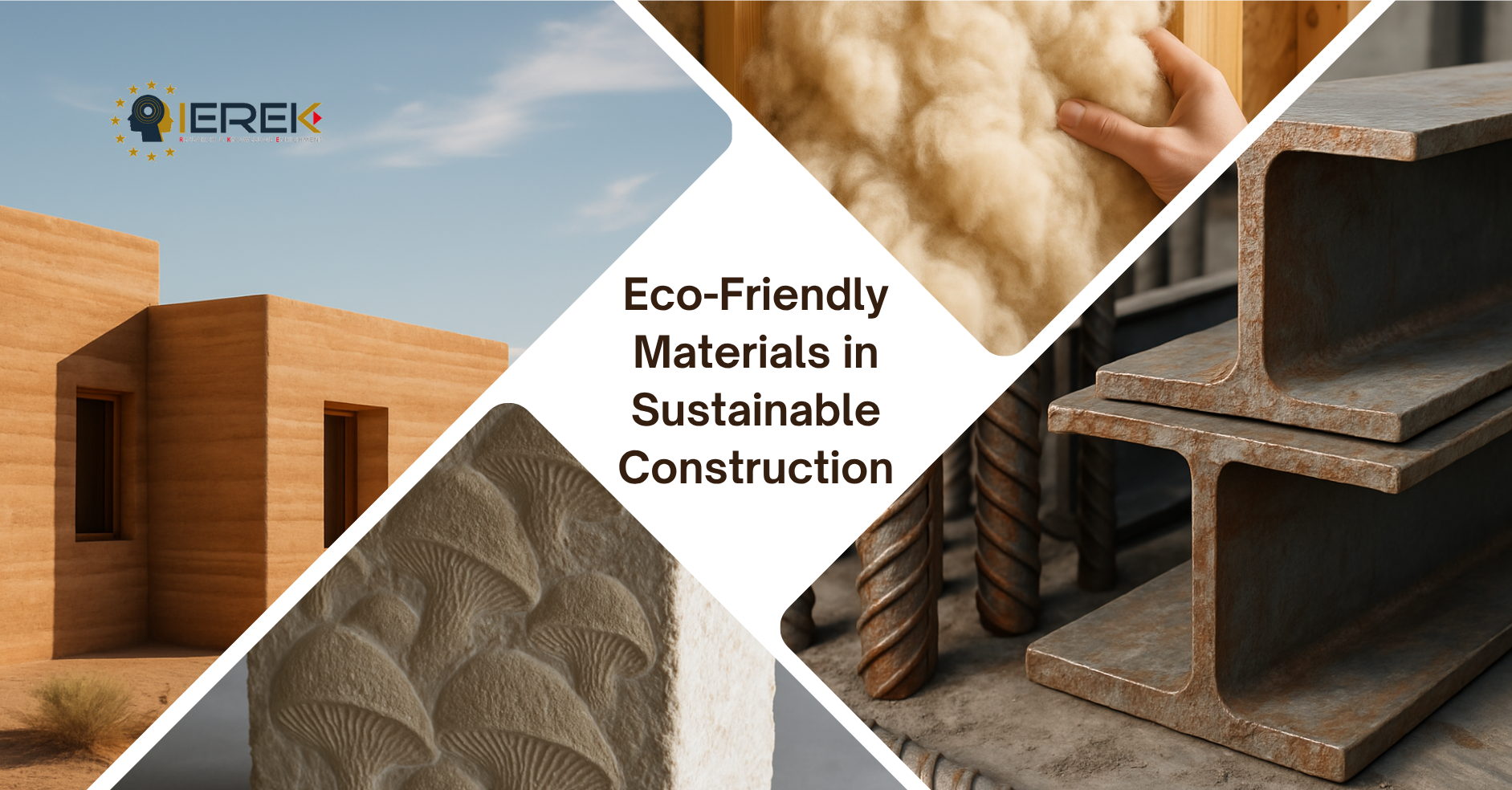
Our TAM is the entire $300–400T global real-estate asset base + $10–15T annual transactions, plus the $1T+ wasted yearly on inefficiencies. Robot-optimized 1500 sq ft homes solve affordability, labor shortages, and climate goals simultaneously.3. Product & Technology — The 1500 sq ft Robot-Optimized HomeEvery home is factory-built in modules using advanced material science (self-healing composites, recycled carbon-fiber panels, 3D-printed insulated concrete forms, sustainable bio-materials) for 50% lighter weight, superior insulation, and zero maintenance.
Space maximization at 1500 sq ft total:

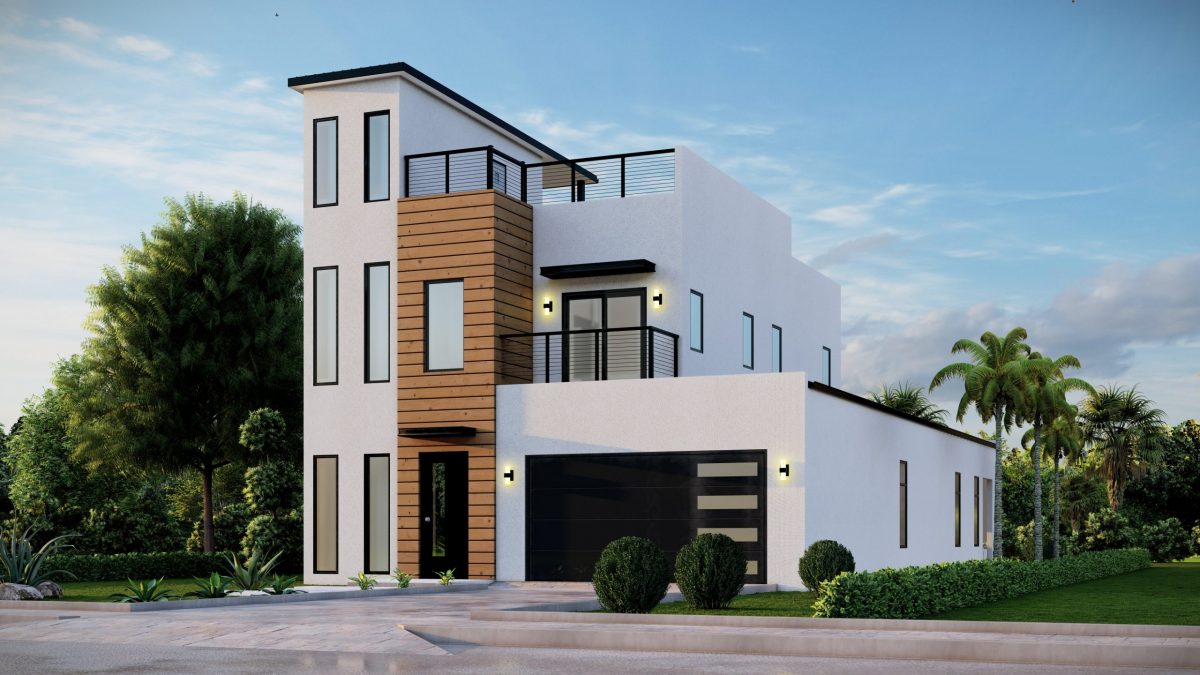
4. Business Model & Revenue Streams
The company remains a PropTech platform that also manufactures, sells, manages, and tokenizes these homes — engineered from day one for $1 trillion valuation by 2036.
- Core innovation: Homes feel palatial because robots move walls, fetch from hidden robotic storage, cook/clean via embedded arms, and service all utilities autonomously. AI anticipates every need (safety, health, productivity). Plumbing/HVAC/electrical are centralized robotic hubs — minimal fixed infrastructure.
- Path to $1T valuation: Mass-produce millions of homes globally. Revenue = home sales + recurring AI/robot OS subscriptions + tokenized fractional ownership + data licensing. Network effects + recurring margins drive Tesla-like hyper-growth.
- Projected milestones:
- Year 3: $5B valuation, 5,000 homes/year
- Year 5: $100B valuation, 100,000 homes/year
- Year 10: $1T valuation, 1M+ homes/year ($50B+ ARR at 20x multiple)
- Seed ask: $75M at $750M pre-money to build DFW Gigafactory #1 and launch pilots.
Our TAM is the entire $300–400T global real-estate asset base + $10–15T annual transactions, plus the $1T+ wasted yearly on inefficiencies. Robot-optimized 1500 sq ft homes solve affordability, labor shortages, and climate goals simultaneously.3. Product & Technology — The 1500 sq ft Robot-Optimized HomeEvery home is factory-built in modules using advanced material science (self-healing composites, recycled carbon-fiber panels, 3D-printed insulated concrete forms, sustainable bio-materials) for 50% lighter weight, superior insulation, and zero maintenance.
Space maximization at 1500 sq ft total:
- Robotic movable partitions and ceiling tracks turn living areas into bedrooms, offices, gyms, or theaters on demand.
- Multifunction robots (8–12 per home — humanoid + specialized arms) handle 100% of chores: cleaning, laundry, cooking, grocery stocking, repairs.
- Appliances require zero human access — fully embedded behind seamless walls/ceilings; robots interface directly (robotic arms inside fridge/oven/washer).
- Minimized systems: Centralized robotic utility core handles plumbing (modular quick-swap pipes serviced by bots), HVAC (AI-optimized micro-zones), and electrical (inductive/wireless charging). 50–70% lower capex and operating costs.
- Central “Home Brain” + edge AI in every surface/room.
- Predictive safety (fall detection, intruder response, health monitoring), personalized routines, energy optimization, and seamless work-from-home transformation.
- Everything movable = robotic. Self-updating software via over-the-air.
- Gigafactories produce complete modules in hours (robots + automation like automotive lines).
- On-site assembly in 3–7 days with crane + robotic crews.
- Cost: $180–220/sq ft all-in (vs. traditional $300–400+), delivered price ~$270K–$330K per home.
- Primary: Sell fully furnished Robot-Optimized Homes ($270K–$330K).
- Recurring (70%+ margins): $99–299/month AI/robot OS subscription (updates, new capabilities, remote support).
- Tokenization & Platform: Blockchain fractional ownership + secondary trading (platform takes 0.5% fee).
- Enterprise/Data: White-label to developers/governments; anonymized AI data licensing to insurers/urban planners.
- Upgrades: Robot hardware add-ons, material retrofits.
- Phase 1 (Years 1–3: Dallas-Fort Worth): Build Gigafactory #1 in DFW (manufacturing + logistics hub, housing boom, pro-business regs). Pilot 500–1,000 homes in Texas suburbs. Marketing: “Live larger in less space — robots do everything.” Partnerships with local builders and land developers.
- Phase 2 (Years 4–6: National): Expand factories to California, Florida, Midwest. Scale to 100K homes/year via franchised assembly + direct sales. Regulatory approvals accelerated by prefab standardization.
- Phase 3 (Years 7–10: Global): Factories in Europe, Asia, Latin America. Government contracts for affordable housing + smart cities. Export modules worldwide.
- Data flywheel: Every home improves the AI/robot models.
- Manufacturing scale: Gigafactories + proprietary robotic assembly lines.
- Material + robotics IP: Patented zero-human-access systems and self-healing composites.
- Regulatory first-mover: Early certifications in Texas open national/global doors.
- Network liquidity: Tokenized homes create instant secondary market.
- Year 1: 500 homes → $150M revenue, $1B valuation
- Year 5: 100,000 homes + subscriptions → $30B revenue, $100B valuation
- Year 10: 1M+ homes/year + global recurring → $60B+ revenue → $1T+ valuation (20x multiple, standard for AI/platform leaders)
- Founders: AI/robotics PhDs + prefab manufacturing veterans + ex-Tesla/SpaceX ops.
- Early team: 200 engineers (robotics, materials, AI), legal/compliance for global regs.
- Advisors: Real-estate giants, robotics pioneers, material scientists.
- Operations: DFW HQ + remote AI team. Culture: Equity-heavy, mission-driven (“Homes that think and work for you”).
- Tech readiness: Start with proven robot arms + AI (2026 tech already sufficient; iterate rapidly).
- Adoption: Texas pilots + demo homes + $50K robot-home savings prove value.
- Regulation: Engage early in Texas; prefab speeds approvals.
- Supply chain: Vertical integration of materials and robots.
- Macro: Housing cycles — our lower cost + robot efficiency thrives in any market.
Advanced Material Science Deep Dive: The Foundation of GlobalProp AI's 1500 sq ft Robot-Optimized Homes
These breakthroughs — self-healing composites, recycled carbon-fiber panels, 3D-printed insulated concrete forms (ICF), and sustainable bio-materials — are not incremental upgrades. They are the engineered core that delivers 50–70% lighter modules, near-zero maintenance, 60–70% lower total costs, and robotic/AI compatibility at gigafactory scale. Every wall, panel, and structural element in our homes is purpose-built for multifunction robots (zero-human-access appliances, movable partitions, autonomous utility cores).
Here’s the precise 2026-state-of-the-art science, how each material integrates, and why it scales to a trillion-dollar platform.1. Self-Healing Composites & ConcreteLatest breakthrough (Jan 2026): North Carolina State University + University of Houston developed a fiber-reinforced polymer (FRP) composite using 3D-printed healing agents + embedded heaters. It autonomously repairs delamination and cracks more than 1,000 times — far tougher than today’s aircraft-wing or turbine-blade materials. Modeling shows components can last centuries (125 years with quarterly cycles, 500+ with annual).
Self-healing concrete variants use:
The U.S. self-healing concrete market alone is exploding from ~$36B (2025) toward hundreds of billions by 2035 (38% CAGR globally).
Integration in our homes:


2. Recycled Carbon-Fiber Panels2026 market reality: Carbon-fiber prefab sector growing at 8.3% CAGR, projected to reach $10.72B. Recycled fibers (from aerospace/automotive waste) deliver the same strength-to-weight ratio as virgin material but at 30–50% lower embodied carbon and cost. Panels are 50% lighter than steel or traditional composites while offering superior insulation and impact resistance.
Integration:
Benefits: Enables the entire 1500 sq ft home to weigh ~40–50% less than conventional, slashing foundation costs and enabling gigafactory modules to ship efficiently. Strength allows thinner walls → more usable interior space. Recycled content qualifies for maximum green incentives and ESG scoring for tokenized ownership.

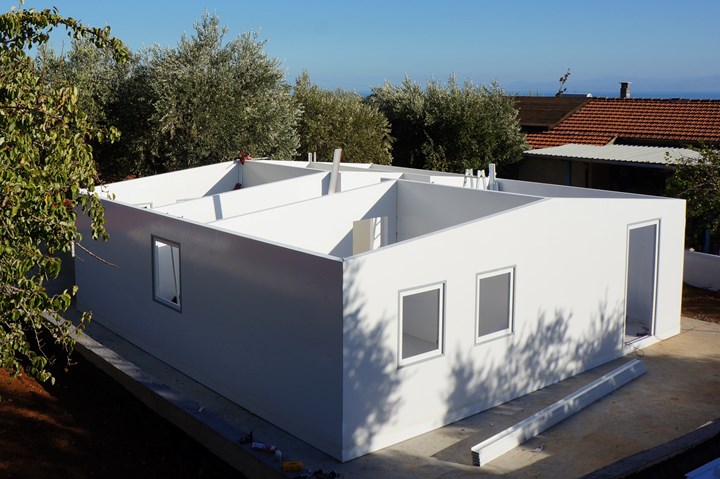

3. 3D-Printed Insulated Concrete Forms (ICF)2026 advances: 3D-printed formwork now produces complex, optimized geometries that cut concrete use by up to 70% while integrating insulation, reinforcement, and utility channels in one print pass. New geopolymer and low-carbon mixes print faster with robotic reinforcement placement. Formwork can be reusable/recyclable or left in place as permanent insulation.
Integration:

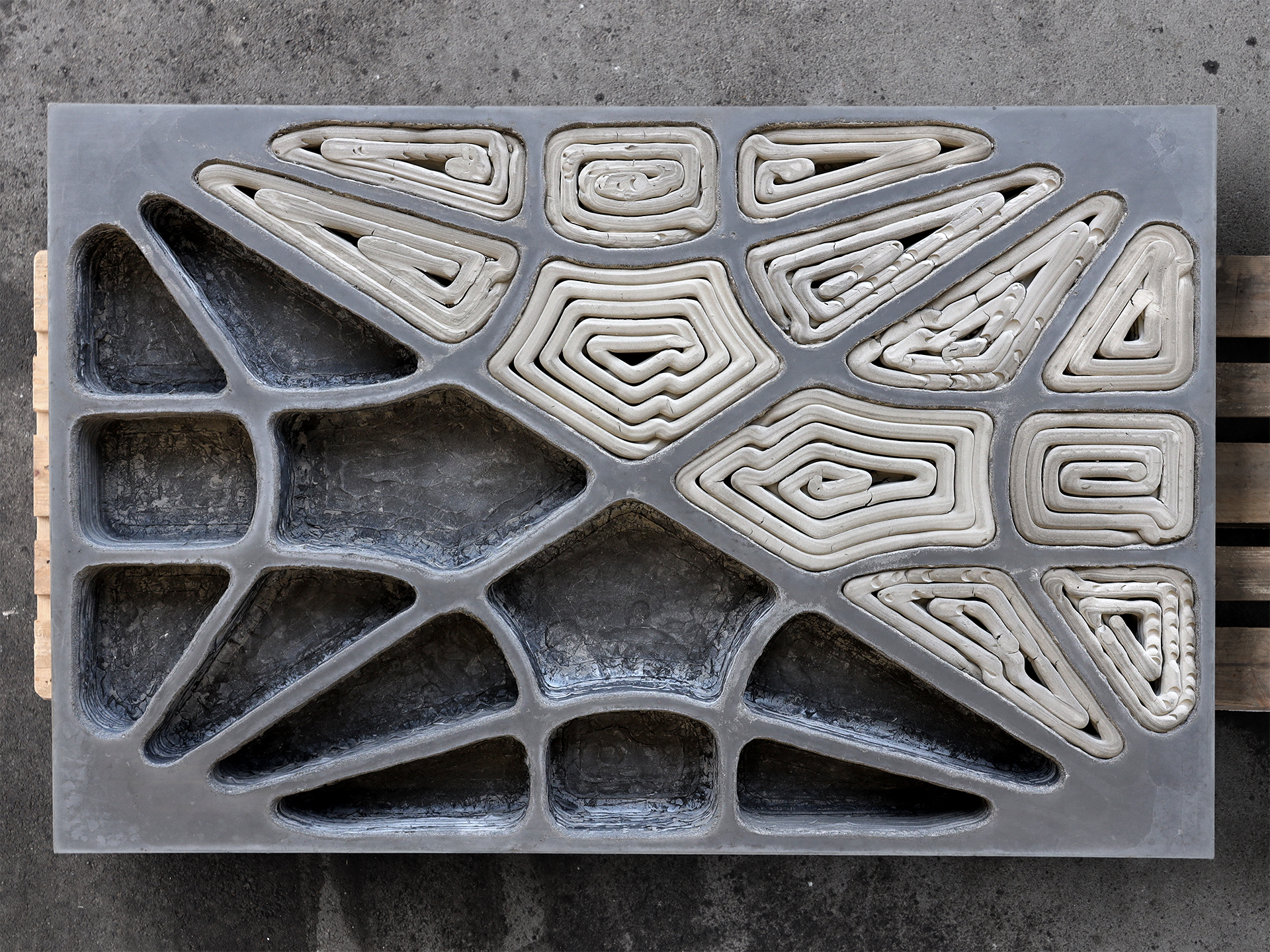
4. Sustainable Bio-Materials (Mycelium, Hempcrete, Bio-Fiber Panels)2026 innovations: Bio-fiber + bio-resin panels (hemp, mycelium, straw, cellulose) now offer self-healing traits when infused with bacteria. Mycelium-based “living” blocks grow in molds, then mineralize into stone-like strength. Bio-composites are fully decomposable, carbon-negative, and healthier (superior humidity control, zero VOCs). Integration:
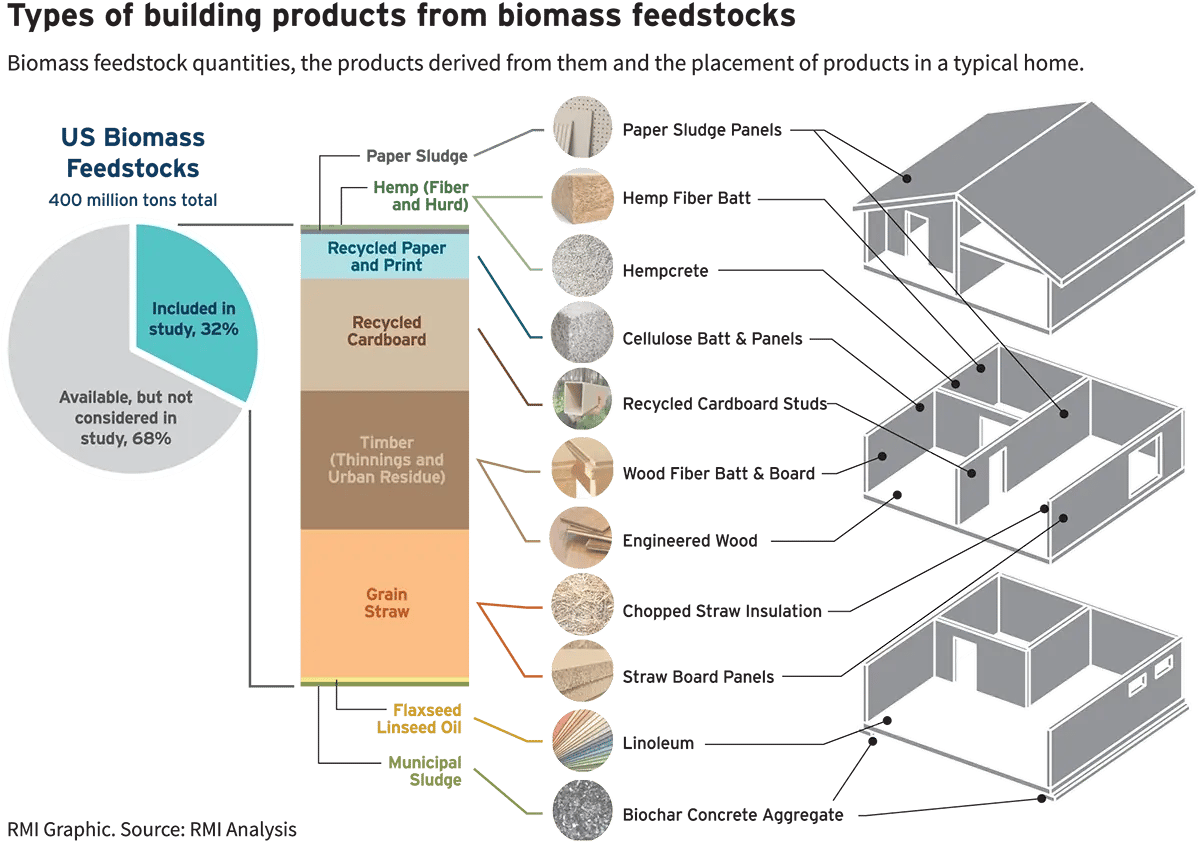
5. Gigafactory-Scale Robotic ManufacturingAll materials converge in our DFW (then national/global) gigafactories: robotic arms + 3D printers + automated lines assemble hybrid panels in hours (68% faster cycle times via integrated additive manufacturing). Proprietary IP covers the exact material formulations + robot-material interfaces.
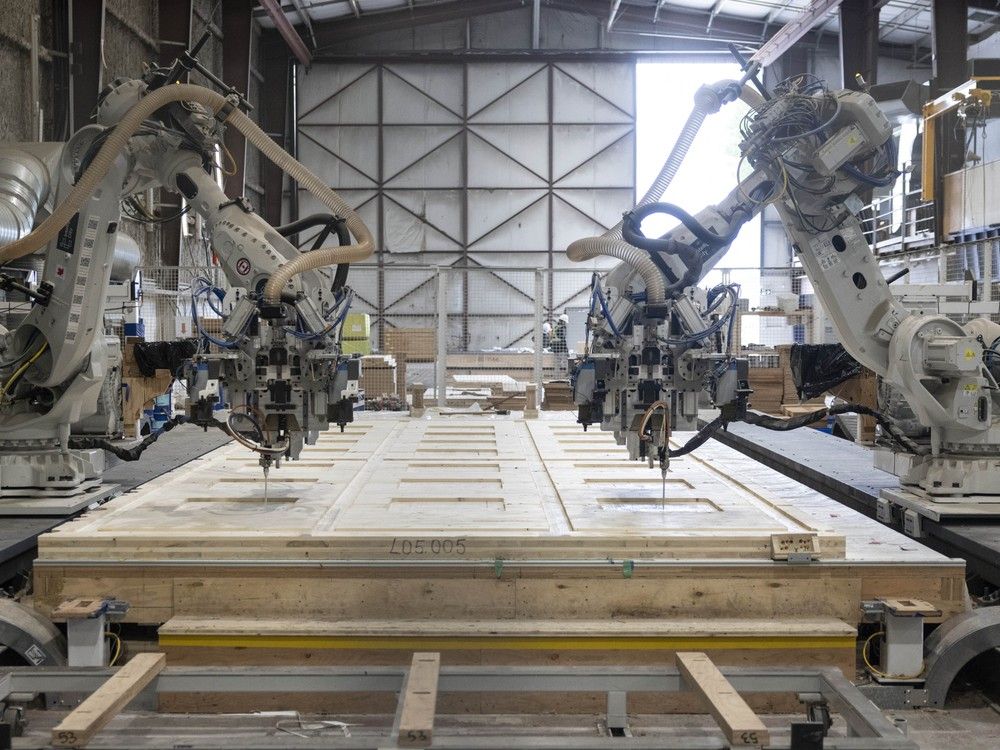
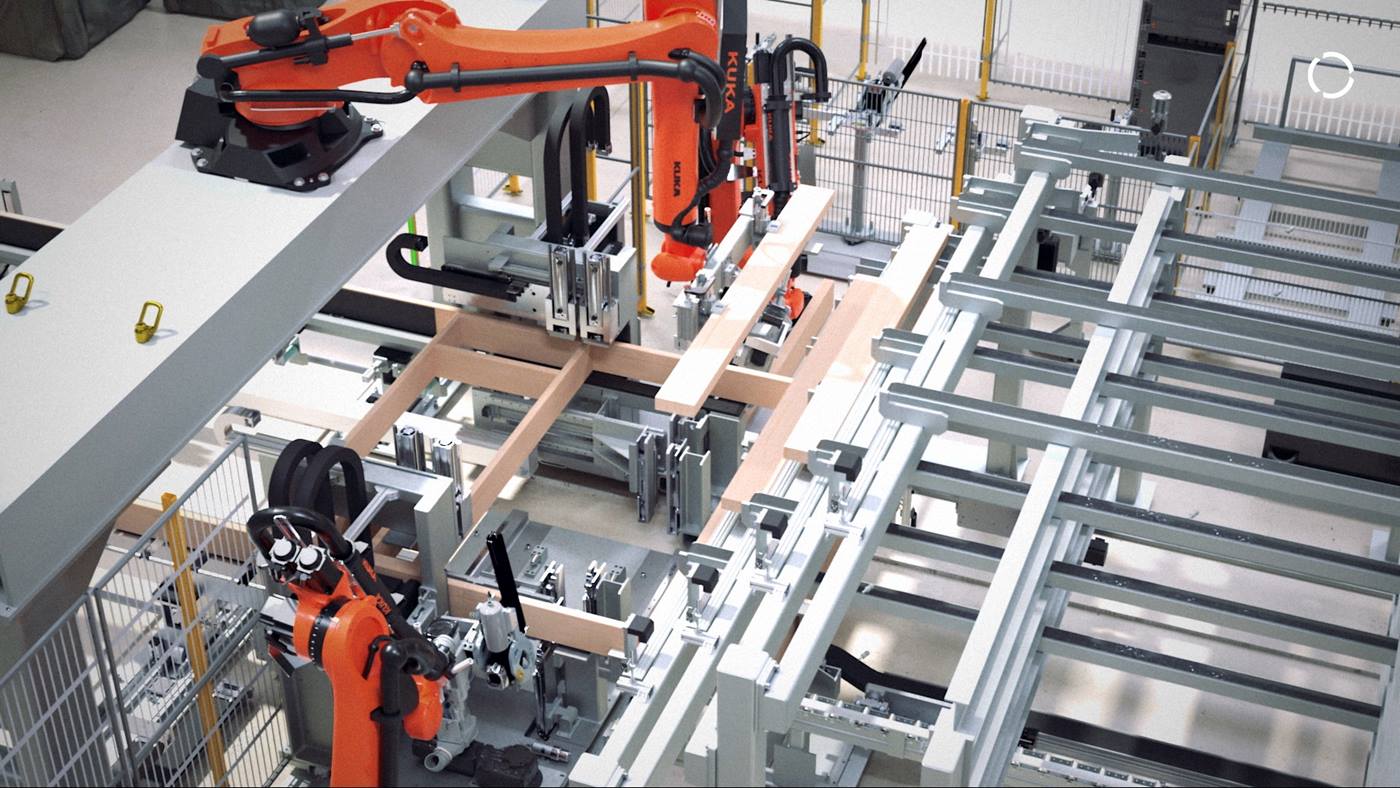
Result for the homeowner: A 1500 sq ft structure that feels like 3000+ sq ft, costs $180–220/sq ft all-in, requires virtually no upkeep, and upgrades itself via OTA AI/robot software. Every material choice directly feeds the data flywheel — homes get smarter with every unit sold.
These materials are GlobalProp AI’s unassailable moat. They are already commercially scaling in 2026; we are simply the first to vertical-integrate them into a full-stack robot-optimized, tokenized housing platform. This is what takes us from DFW pilots to national dominance to trillion-dollar global valuation by 2036.
Want CAD renderings of a specific panel stack, cost-model spreadsheets, or IP filing outlines? Just say the word — we can simulate the exact DFW gigafactory material flow next. Let’s build the future home.
These breakthroughs — self-healing composites, recycled carbon-fiber panels, 3D-printed insulated concrete forms (ICF), and sustainable bio-materials — are not incremental upgrades. They are the engineered core that delivers 50–70% lighter modules, near-zero maintenance, 60–70% lower total costs, and robotic/AI compatibility at gigafactory scale. Every wall, panel, and structural element in our homes is purpose-built for multifunction robots (zero-human-access appliances, movable partitions, autonomous utility cores).
Here’s the precise 2026-state-of-the-art science, how each material integrates, and why it scales to a trillion-dollar platform.1. Self-Healing Composites & ConcreteLatest breakthrough (Jan 2026): North Carolina State University + University of Houston developed a fiber-reinforced polymer (FRP) composite using 3D-printed healing agents + embedded heaters. It autonomously repairs delamination and cracks more than 1,000 times — far tougher than today’s aircraft-wing or turbine-blade materials. Modeling shows components can last centuries (125 years with quarterly cycles, 500+ with annual).
Self-healing concrete variants use:
- Microbially induced calcite precipitation (bacteria + nutrients that produce limestone when cracks form)
- Microcapsules or vascular networks
- Crystalline admixtures + superabsorbent polymers
Integration in our homes:
- Exterior panels and structural cores made of this FRP or bio-enhanced concrete.
- AI sensors embedded in every panel monitor micro-cracks in real time; the “Home Brain” triggers localized heat or releases agents via robotic maintenance arms.
- Robots service the centralized utility core without human access — cracks self-repair before they matter.
Integration:
- Load-bearing exterior walls, roof modules, and robotic-track ceilings.
- Robots glide along embedded carbon-fiber rails; zero-human-access appliances are mounted directly into the panels (no protruding ducts or pipes).
- Movable partitions use ultra-light carbon-fiber skins for instant reconfiguration (living room → gym → office).
Integration:
- Foundation and core structural walls printed off-site or on-site by our robotic crews.
- Internal channels pre-routed for robotic plumbing/HVAC/electrical hubs — zero fixed pipes running through living space.
- AI-optimized micro-zones for heating/cooling are printed directly into the forms.
- Interior finishes, insulation cores, and non-structural panels.
- Robots interface with soft bio-surfaces (self-cleaning via embedded agents).
- Combined with carbon-fiber skins for hybrid panels that are ultra-light yet fire-resistant.
Result for the homeowner: A 1500 sq ft structure that feels like 3000+ sq ft, costs $180–220/sq ft all-in, requires virtually no upkeep, and upgrades itself via OTA AI/robot software. Every material choice directly feeds the data flywheel — homes get smarter with every unit sold.
These materials are GlobalProp AI’s unassailable moat. They are already commercially scaling in 2026; we are simply the first to vertical-integrate them into a full-stack robot-optimized, tokenized housing platform. This is what takes us from DFW pilots to national dominance to trillion-dollar global valuation by 2036.
Want CAD renderings of a specific panel stack, cost-model spreadsheets, or IP filing outlines? Just say the word — we can simulate the exact DFW gigafactory material flow next. Let’s build the future home.
Smart City Integrations: Turning GlobalProp AI’s 1500 sq ft Robot-Optimized Homes into the Building Blocks of 2026’s Intelligent Cities
Our prefab, AI-robotic homes are not just standalone residences — they are native nodes in the global smart-city ecosystem. The embedded “Home Brain” (edge AI + IoT sensors in self-healing composites), multifunction robots, centralized robotic utility core, and tokenized ownership platform are purpose-built for real-time bidirectional integration with city infrastructure.
This creates a flywheel: every home deployed feeds anonymized data back to municipal digital twins, optimizing city-wide energy, mobility, safety, and planning — while cities accelerate permitting, reduce costs, and hit ESG targets.
The result? Faster DFW pilots, national dominance via public-private partnerships, and global contracts that supercharge our path to $1T valuation by 2036.

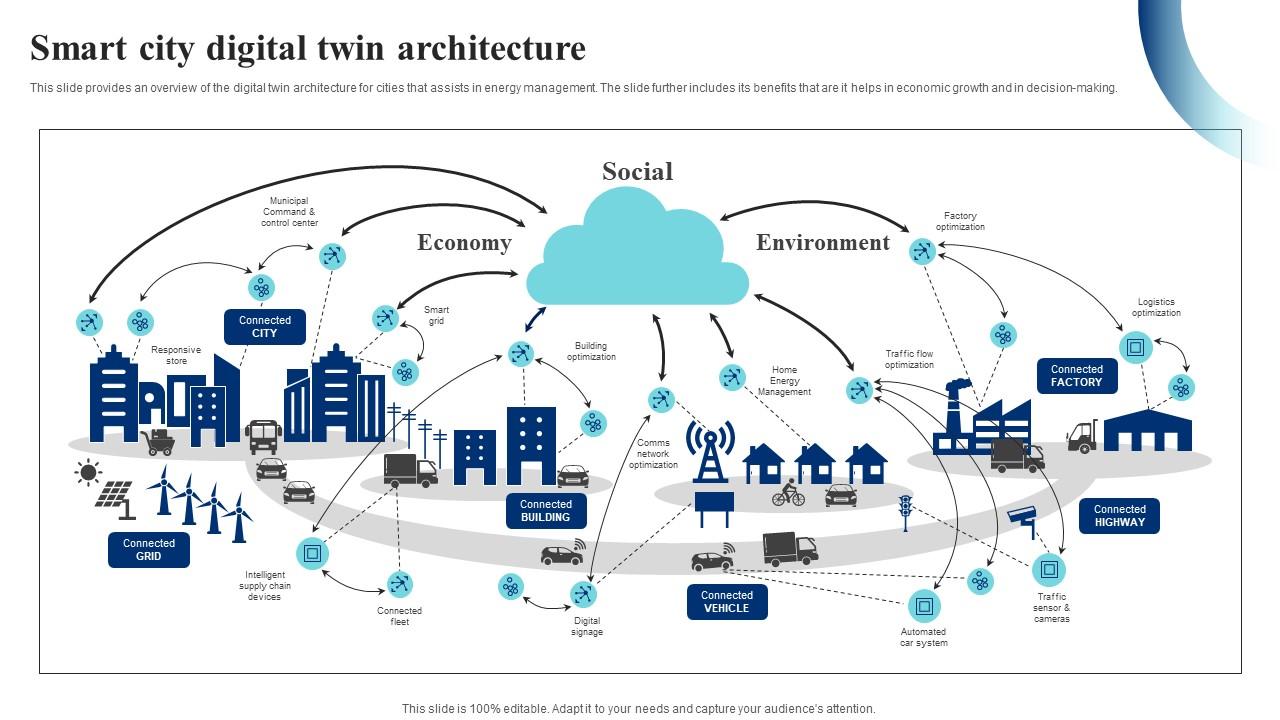
1. Energy Grid & Virtual Power Plant (VPP) IntegrationEvery GlobalProp home’s AI-optimized micro-zones, wireless inductive charging, and solar-ready carbon-fiber roofs act as distributed energy resources. Homes automatically balance load, store excess in robotic-managed batteries, and trade power on city smart grids via blockchain.
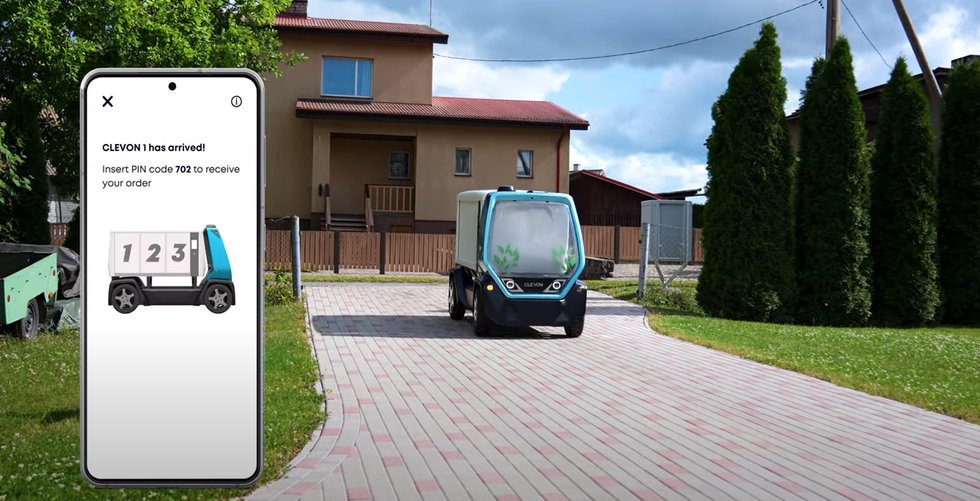
2026 reality: Cities like Fort Worth are building resilient micro-grids (AllianceTexas) and data-center-driven demand. Our homes become prosumers in VPPs, cutting peak loads 20–30% and qualifying for maximum incentives. Robots perform autonomous maintenance on embedded solar/ storage — zero human access. Impact: Cities reduce blackout risk; homeowners earn revenue from energy trading; GlobalProp licenses VPP software as a new recurring stream.2. Mobility & Autonomous TransportRobotic homes interface directly with robotaxis, AV truck ports, and on-demand rideshare (already piloted in North Texas). The Home Brain predicts resident schedules, signals autonomous delivery bots (e.g., Clevon-style robots) to dock at seamless robotic ports, and optimizes EV charging via inductive pads in the garage module.
DFW-specific: AllianceTexas Mobility Innovation Zone + NTXIA partnership enables testing of AV corridors and digital twinning for traffic. Our prefab modules ship with pre-wired 5G/6G edge nodes — ready for city AV fleets.


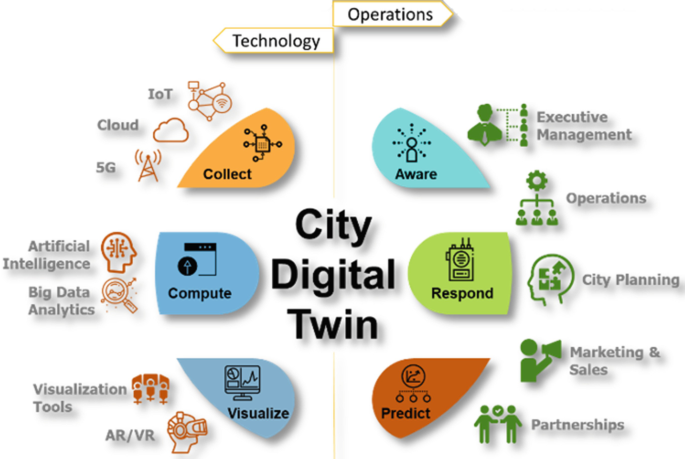
3. Digital Twin & Urban Planning Data LayerAnonymized sensor data (occupancy, energy, micro-climate, structural health from self-healing materials) streams to city digital twins. AI predicts neighborhood needs in real time — traffic patterns, waste optimization, flood risk.
2026 standards: Smart Dallas Roadmap and Fort Worth’s AI permitting pilots already use digital twinning. Singapore’s Smart Nation 2.0 and Dubai’s predictive maintenance cut costs 15%. Our tokenized homes create verifiable ESG data for city dashboards.
4. Public Safety, Health & Emergency ResponseHome robots + embedded sensors (fall detection, air quality, intruder AI) become city-wide first responders. In emergencies, the Home Brain unlocks doors for drones/robots, shares live video with municipal command centers, and coordinates evacuations. Predictive health analytics (from zero-human-access appliances) feed city wellness platforms.
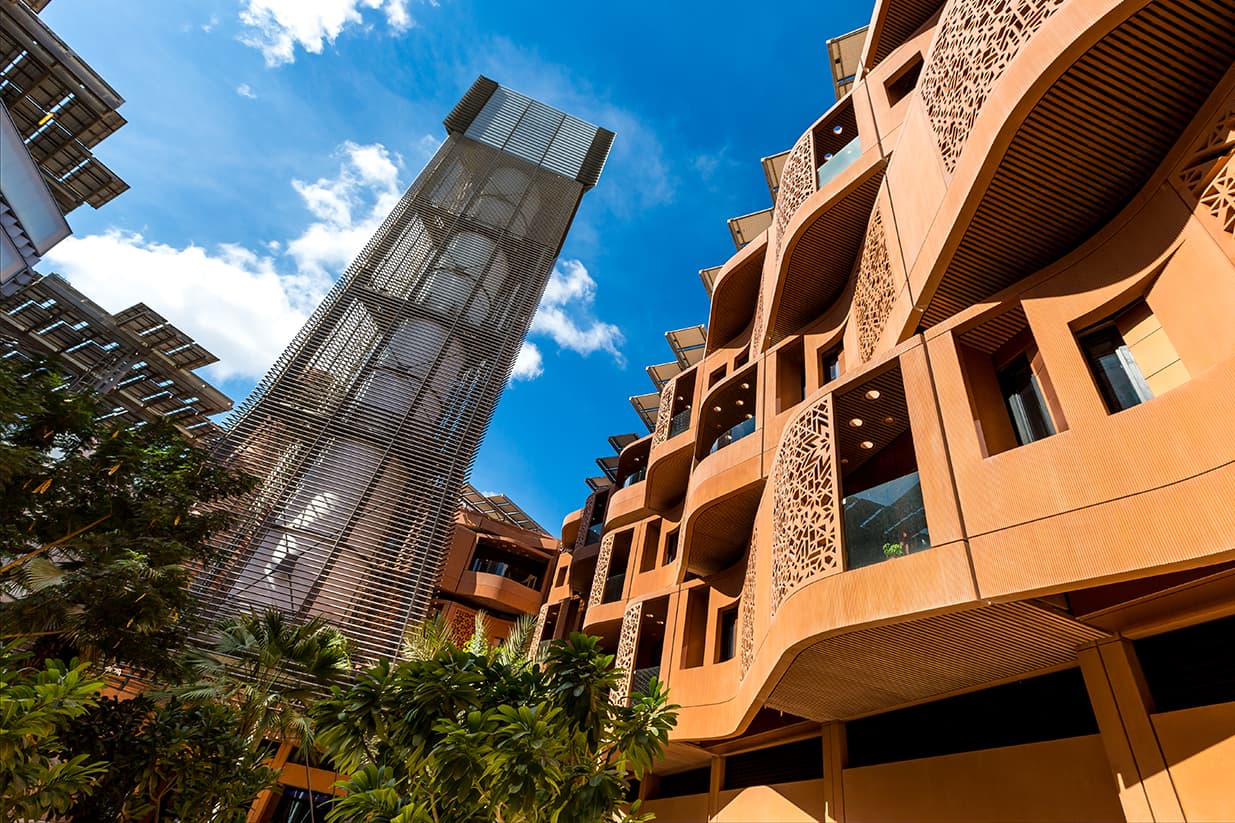
Global precedent: Masdar City’s sensor networks and Songdo’s underground waste systems show the model — our homes plug in natively.

5. Sustainability & ESG ComplianceSelf-healing bio-materials, carbon-negative prefab, and robotic efficiency deliver 60–80% lower embodied carbon and operational energy. Cities get instant green-certified housing stock that meets 2030 targets (Singapore Green Plan: 80% green buildings). Tokenized fractional ownership tracks ESG scores on-chain for investor reporting.Rollout Roadmap & Business Acceleration
These integrations alone add $10B+ ARR by Year 10 while de-risking adoption — cities become our biggest customers and evangelists.
The 1500 sq ft Robot-Optimized Home isn’t just smaller and smarter for families — it is the atomic unit of the smart city. Every unit deployed makes the entire urban ecosystem more efficient, sustainable, and livable.
This is the moat that turns GlobalProp AI from a housing company into the operating system for tomorrow’s cities — and the clearest path to trillion-dollar scale.
Ready to model the first DFW digital-twin integration or simulate VPP revenue? Let’s plug our homes into the future.
Our prefab, AI-robotic homes are not just standalone residences — they are native nodes in the global smart-city ecosystem. The embedded “Home Brain” (edge AI + IoT sensors in self-healing composites), multifunction robots, centralized robotic utility core, and tokenized ownership platform are purpose-built for real-time bidirectional integration with city infrastructure.
This creates a flywheel: every home deployed feeds anonymized data back to municipal digital twins, optimizing city-wide energy, mobility, safety, and planning — while cities accelerate permitting, reduce costs, and hit ESG targets.
The result? Faster DFW pilots, national dominance via public-private partnerships, and global contracts that supercharge our path to $1T valuation by 2036.
2026 reality: Cities like Fort Worth are building resilient micro-grids (AllianceTexas) and data-center-driven demand. Our homes become prosumers in VPPs, cutting peak loads 20–30% and qualifying for maximum incentives. Robots perform autonomous maintenance on embedded solar/ storage — zero human access. Impact: Cities reduce blackout risk; homeowners earn revenue from energy trading; GlobalProp licenses VPP software as a new recurring stream.2. Mobility & Autonomous TransportRobotic homes interface directly with robotaxis, AV truck ports, and on-demand rideshare (already piloted in North Texas). The Home Brain predicts resident schedules, signals autonomous delivery bots (e.g., Clevon-style robots) to dock at seamless robotic ports, and optimizes EV charging via inductive pads in the garage module.
DFW-specific: AllianceTexas Mobility Innovation Zone + NTXIA partnership enables testing of AV corridors and digital twinning for traffic. Our prefab modules ship with pre-wired 5G/6G edge nodes — ready for city AV fleets.
2026 standards: Smart Dallas Roadmap and Fort Worth’s AI permitting pilots already use digital twinning. Singapore’s Smart Nation 2.0 and Dubai’s predictive maintenance cut costs 15%. Our tokenized homes create verifiable ESG data for city dashboards.
Global precedent: Masdar City’s sensor networks and Songdo’s underground waste systems show the model — our homes plug in natively.
- DFW (Years 1–3): Pilot neighborhoods in AllianceTexas + NTXIA ecosystem. AI permitting slashes approval time 50–70%. First 1,000 homes become living lab for mobility/energy twins.
- National (Years 4–6): Scale via state smart-city mandates (Texas, California, Florida). White-label platform for municipal digital twins.
- Global (Years 7–10): Direct contracts in Singapore (Smart Nation), Dubai/Masdar (solar-robotics synergy), and emerging markets. Export modules + API integration = recurring SaaS revenue.
- City data licensing & digital-twin subscriptions
- VPP/energy-trading commissions
- Government procurement for affordable smart housing
- Premium ESG tokenization fees
The 1500 sq ft Robot-Optimized Home isn’t just smaller and smarter for families — it is the atomic unit of the smart city. Every unit deployed makes the entire urban ecosystem more efficient, sustainable, and livable.
This is the moat that turns GlobalProp AI from a housing company into the operating system for tomorrow’s cities — and the clearest path to trillion-dollar scale.
Ready to model the first DFW digital-twin integration or simulate VPP revenue? Let’s plug our homes into the future.
Singapore Smart Nation 2.0 vs. GlobalProp AI Robot-Optimized Homes: How Our Platform Complements — and Accelerates — the World’s Leading Smart Nation
Singapore’s Smart Nation (launched 2014) is the global gold standard for integrated urban tech. As of March 2026, Smart Nation 2.0 (launched October 2024) has shifted from “build digital capabilities” to a sharper Trust, Growth, Community framework, with Budget 2026 explicitly targeting a leap to AI Nation. Singapore ranks #9 in the 2025 IMD Smart City Index and #2 in digital competitiveness — yet its smart features remain largely incremental and public-infrastructure focused.
GlobalProp AI’s 1500 sq ft robot-optimized prefab homes are revolutionary private nodes engineered to plug directly into — and dramatically amplify — that ecosystem. Here is the precise head-to-head comparison, showing why Singapore is our ideal Phase 3 global launchpad (after DFW → national scaling).
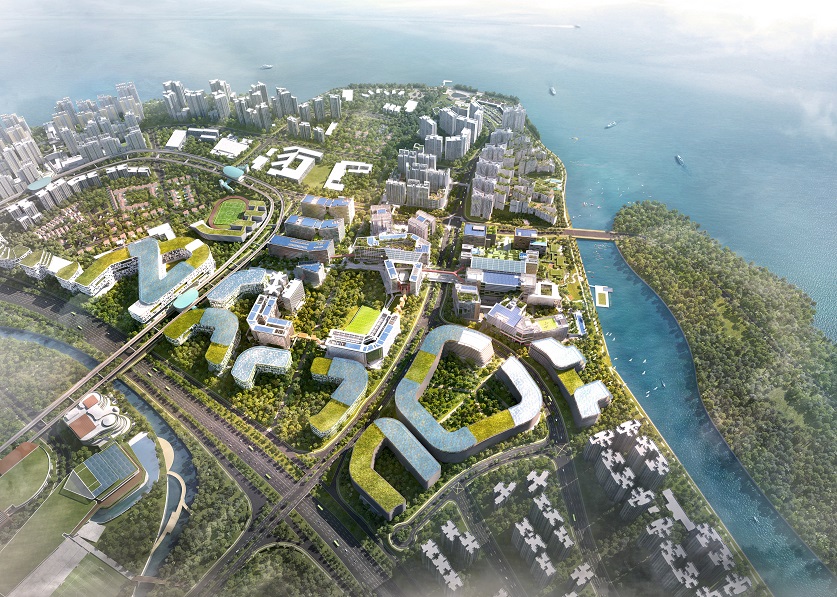
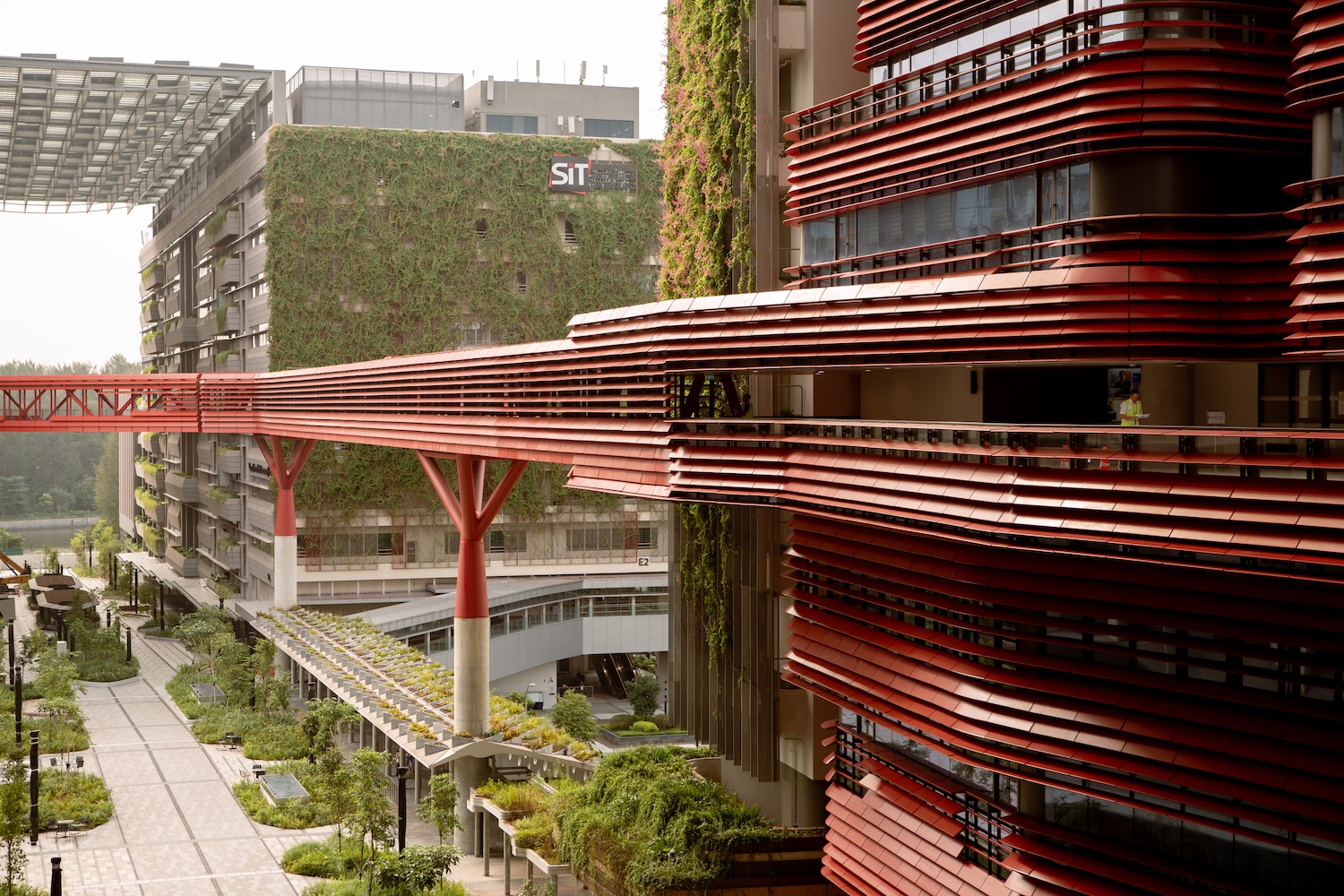
1. Vision & ScaleSingapore Smart Nation 2.0: Whole-of-nation, government-led. Focuses on national digital twins, Open Digital Platform (Punggol Digital District), and AI as “strategic infrastructure.” Goals: Trust (cyber resilience, Digital Infrastructure Act 2025), Growth (National AI Strategy 2.0 + S$120M AI-for-Science), Community (inclusive digital living). Emphasis on HDB estates and public spaces.
GlobalProp AI: Private-sector, hyper-personalized. Every home is a self-contained “AI Nation node” with its own Home Brain, 8–12 multifunction robots, zero-human-access appliances, and tokenized fractional ownership. Scales via gigafactories and network effects — not mandates.
Edge for GlobalProp: We deliver what Singapore’s public programs cannot — fully robotic, reconfigurable living at 1500 sq ft that feels 3000+ sq ft. Our platform becomes the private “last mile” layer Singapore needs to hit its AI-Nation targets.2. AI & Robotics IntegrationSingapore: Heavy investment in AI (workforce to grow from 4,500 to 15,000 by 2029) and robotics. IMDA drives Autonomous Mobile Robot (AMR) interoperability for enterprises. Public trials: delivery bots (OTSaw), tree-management digital twins (NParks LiDAR + AI), autonomous waterway cleaners. HDB uses basic sensors for lifts/pumps.
GlobalProp AI: Everything movable is robotic. Multifunction home robots handle 100% of chores/maintenance; centralized robotic utility core services plumbing/HVAC/electrical autonomously. Home Brain predicts and acts (safety, health, energy) with OTA updates. Robots dock with city AMRs for seamless last-mile delivery.
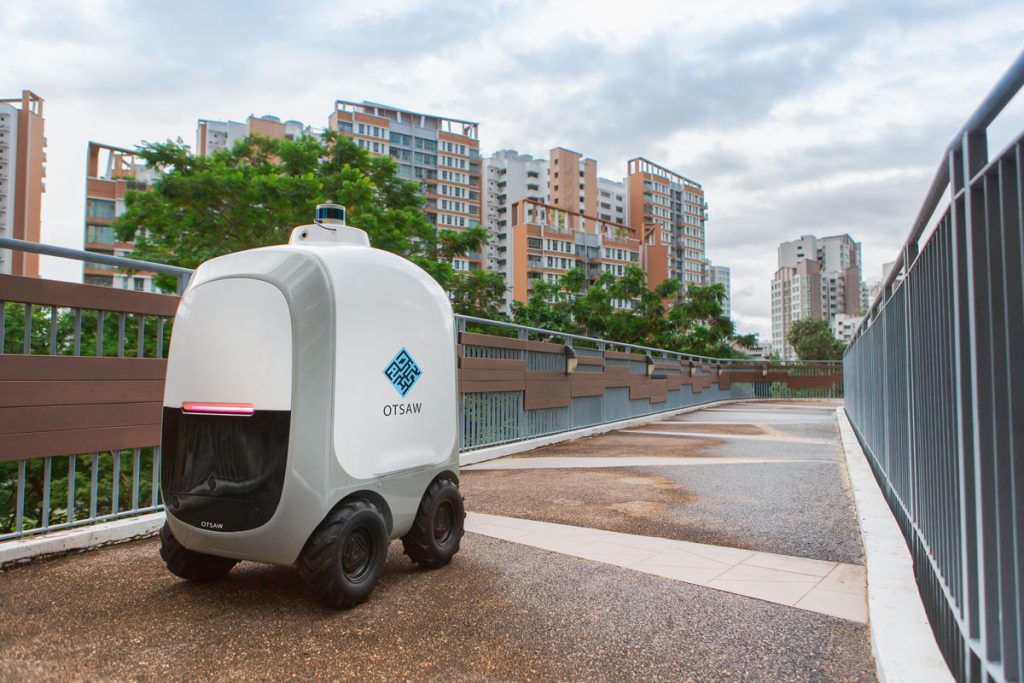
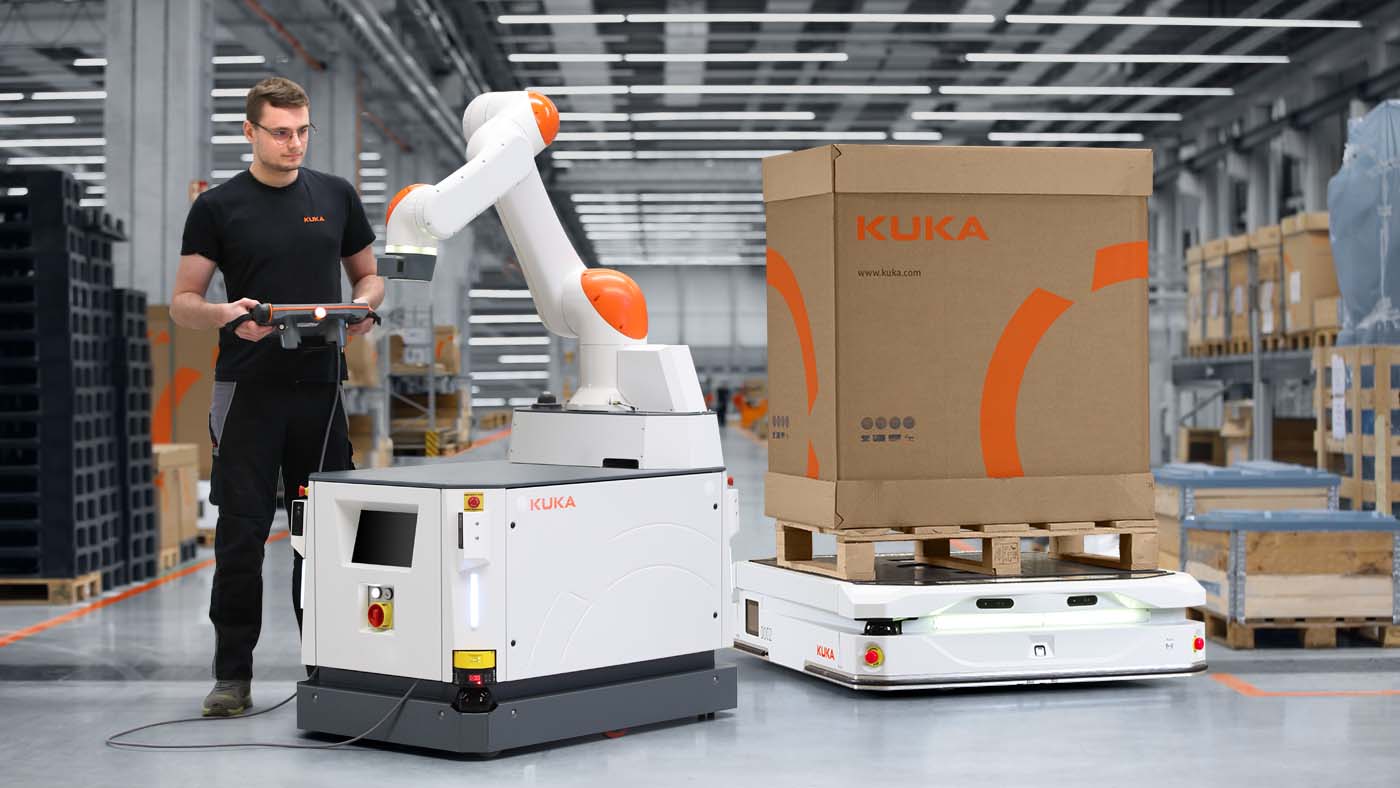
Synergy: Our robots + Singapore’s AMR ecosystem = end-to-end autonomy. Our self-healing material sensors feed richer, anonymized data into national digital twins than current HDB sensors ever could.3. Housing & Built EnvironmentSingapore: 80%+ live in HDB flats. Smart features limited to sensors for utilities/structural health and OneService app reporting. Promotes DfMA (Design for Manufacturing & Assembly) and modular construction with off-site levy incentives — but still human-centric builds. Land scarcity drives density.
GlobalProp AI: 1500 sq ft prefab modules (advanced self-healing composites, recycled carbon-fiber, 3D-printed ICF, bio-materials) assembled on-site in 3–7 days. Movable robotic walls + hidden storage turn small footprint into expansive living. 60–70% lower costs, 50–70% lighter, near-zero maintenance.
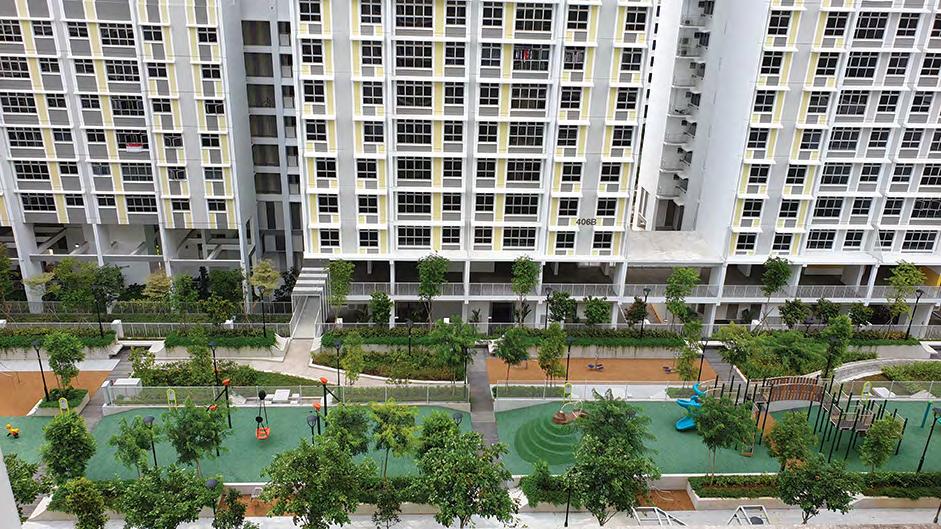
Advantage: Our homes solve Singapore’s land + labor crunch better than any current HDB or private modular project. We can deliver entire smart neighborhoods of robotic homes — instantly ESG-compliant and tokenized for fractional investment.4. Smart City Data & Integration LayerSingapore: National digital twins (trees, waterways, Punggol ODP as “master language translator”). Sensors feed municipal command centers. VPPs and smart grids emerging.
GlobalProp AI: Every home is a bidirectional node — streaming anonymized occupancy/energy/micro-climate/structural data to city twins while pulling real-time city signals (traffic, energy pricing, emergency protocols). Embedded inductive charging + robotic ports integrate directly with AV fleets and delivery bots.
GlobalProp Win: We turn passive HDB sensors into active, self-maintaining robotic ecosystems. Our tokenized ownership creates verifiable on-chain ESG data Singapore’s green targets crave.

5. Path to Trillion-Dollar ImpactSingapore Smart Nation 2.0 is the operating system for a nation. GlobalProp AI is the killer app — the robotic homes that make citizens truly live in an AI Nation.
Strategic Fit for GlobalProp Expansion:
This partnership is not “nice-to-have” — it is the fastest on-ramp from our DFW factory to $1T valuation by 2036.
Singapore’s Smart Nation (launched 2014) is the global gold standard for integrated urban tech. As of March 2026, Smart Nation 2.0 (launched October 2024) has shifted from “build digital capabilities” to a sharper Trust, Growth, Community framework, with Budget 2026 explicitly targeting a leap to AI Nation. Singapore ranks #9 in the 2025 IMD Smart City Index and #2 in digital competitiveness — yet its smart features remain largely incremental and public-infrastructure focused.
GlobalProp AI’s 1500 sq ft robot-optimized prefab homes are revolutionary private nodes engineered to plug directly into — and dramatically amplify — that ecosystem. Here is the precise head-to-head comparison, showing why Singapore is our ideal Phase 3 global launchpad (after DFW → national scaling).
GlobalProp AI: Private-sector, hyper-personalized. Every home is a self-contained “AI Nation node” with its own Home Brain, 8–12 multifunction robots, zero-human-access appliances, and tokenized fractional ownership. Scales via gigafactories and network effects — not mandates.
Edge for GlobalProp: We deliver what Singapore’s public programs cannot — fully robotic, reconfigurable living at 1500 sq ft that feels 3000+ sq ft. Our platform becomes the private “last mile” layer Singapore needs to hit its AI-Nation targets.2. AI & Robotics IntegrationSingapore: Heavy investment in AI (workforce to grow from 4,500 to 15,000 by 2029) and robotics. IMDA drives Autonomous Mobile Robot (AMR) interoperability for enterprises. Public trials: delivery bots (OTSaw), tree-management digital twins (NParks LiDAR + AI), autonomous waterway cleaners. HDB uses basic sensors for lifts/pumps.
GlobalProp AI: Everything movable is robotic. Multifunction home robots handle 100% of chores/maintenance; centralized robotic utility core services plumbing/HVAC/electrical autonomously. Home Brain predicts and acts (safety, health, energy) with OTA updates. Robots dock with city AMRs for seamless last-mile delivery.
Synergy: Our robots + Singapore’s AMR ecosystem = end-to-end autonomy. Our self-healing material sensors feed richer, anonymized data into national digital twins than current HDB sensors ever could.3. Housing & Built EnvironmentSingapore: 80%+ live in HDB flats. Smart features limited to sensors for utilities/structural health and OneService app reporting. Promotes DfMA (Design for Manufacturing & Assembly) and modular construction with off-site levy incentives — but still human-centric builds. Land scarcity drives density.
GlobalProp AI: 1500 sq ft prefab modules (advanced self-healing composites, recycled carbon-fiber, 3D-printed ICF, bio-materials) assembled on-site in 3–7 days. Movable robotic walls + hidden storage turn small footprint into expansive living. 60–70% lower costs, 50–70% lighter, near-zero maintenance.
Advantage: Our homes solve Singapore’s land + labor crunch better than any current HDB or private modular project. We can deliver entire smart neighborhoods of robotic homes — instantly ESG-compliant and tokenized for fractional investment.4. Smart City Data & Integration LayerSingapore: National digital twins (trees, waterways, Punggol ODP as “master language translator”). Sensors feed municipal command centers. VPPs and smart grids emerging.
GlobalProp AI: Every home is a bidirectional node — streaming anonymized occupancy/energy/micro-climate/structural data to city twins while pulling real-time city signals (traffic, energy pricing, emergency protocols). Embedded inductive charging + robotic ports integrate directly with AV fleets and delivery bots.
GlobalProp Win: We turn passive HDB sensors into active, self-maintaining robotic ecosystems. Our tokenized ownership creates verifiable on-chain ESG data Singapore’s green targets crave.
Strategic Fit for GlobalProp Expansion:
- Regulatory speed: Singapore already certifies robotics/AMRs and DfMA.
- Pilot model: Start with 500 homes in a new Punggol-style district or private enclave.
- Revenue upside: City data licensing + VPP commissions + government procurement contracts add $5B+ ARR by Year 8.
- Moat multiplier: Our IP in self-healing materials + full-home robotics becomes Singapore’s exportable blueprint.
This partnership is not “nice-to-have” — it is the fastest on-ramp from our DFW factory to $1T valuation by 2036.
🏠 GlobalProp AI: The Future of Robot-Optimized PropTech https://t.co/lxYVU9KLNh @Tstewartcuban @mcuban
— Paramendra Kumar Bhagat (@paramendra) March 23, 2026

No comments:
Post a Comment