
Google sure is bringing a staggering amount of AI compute online.
— Elon Musk (@elonmusk) March 21, 2026
Almost no one understands the magnitude.
Elon Musk on the AI Compute Arms Race: Hidden Scale, Domain Winners, and the Shift to Space
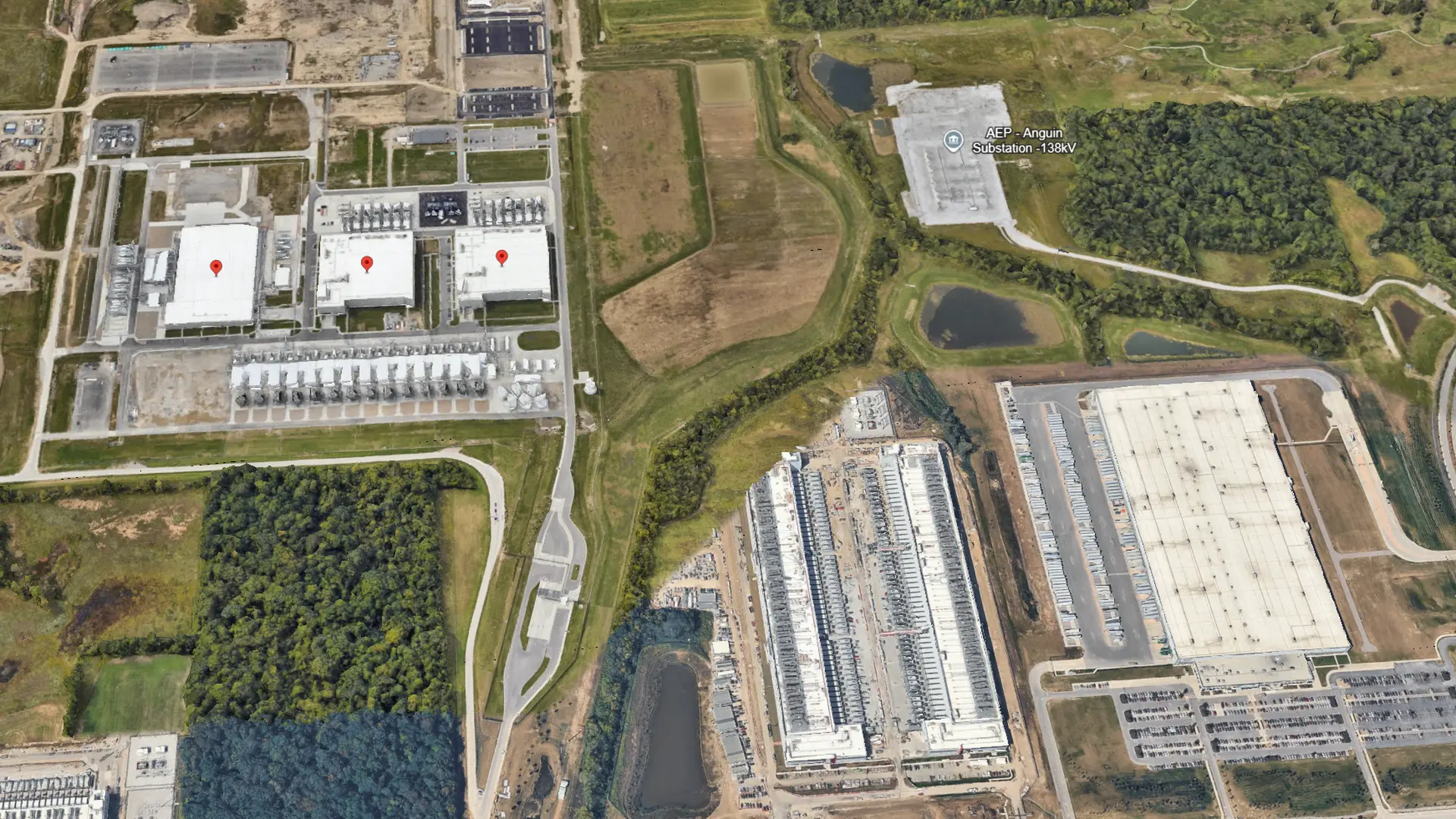
On March 20, 2026, Sundar Pichai quietly announced something that, on the surface, sounded like an infrastructure milestone: Google had become the first cloud provider to integrate 1 gigawatt (GW) of flexible demand into long-term utility contracts.
To most observers, this reads like energy procurement strategy. To those paying attention, it is something far more consequential: a declaration of intent in the AI compute arms race.
A day later, Elon Musk responded with characteristic bluntness:
“Google sure is bringing a staggering amount of AI compute online. Almost no one understands the magnitude.”
He’s right. And not in the casual, hyperbolic way tech CEOs often are. The magnitude here is not incremental—it is civilizational.
The Invisible Scale of AI Compute
A single gigawatt is not just a number—it’s a metaphor for scale.
1 GW ≈ power for ~750,000 homes
Or, in AI terms, hundreds of thousands of high-density GPU/TPU servers running continuously
Enough compute to train or serve models at a scale that dwarfs most competitors’ entire infrastructure
Modern frontier models—whether from OpenAI, DeepMind, or Anthropic—are no longer software projects. They are industrial systems, closer to steel plants or power grids than codebases.
Training a cutting-edge model today is like launching a moon mission:
Months of preparation
Billions in capital expenditure
Massive coordination across chips, networking, cooling, and energy systems
Google’s flexible-demand deal adds a new dimension: AI clusters that behave like intelligent energy citizens, able to throttle usage in response to grid conditions. It’s not just about consuming power—it’s about becoming part of the grid itself.
This is what Musk means when he says “almost no one understands the magnitude.” The real story isn’t the models—it’s the infrastructure beneath them.
Musk’s Provocative Map of the Future
Two days before his comment on Google, Musk made an even more striking claim:
“Google will win the AI race in the West, China on Earth and SpaceX in space.”
At first glance, it sounds like a throwaway provocation. On closer inspection, it’s a three-layer geopolitical thesis about the future of intelligence.
Let’s unpack it.
1. The West: Google’s Infrastructure Moat
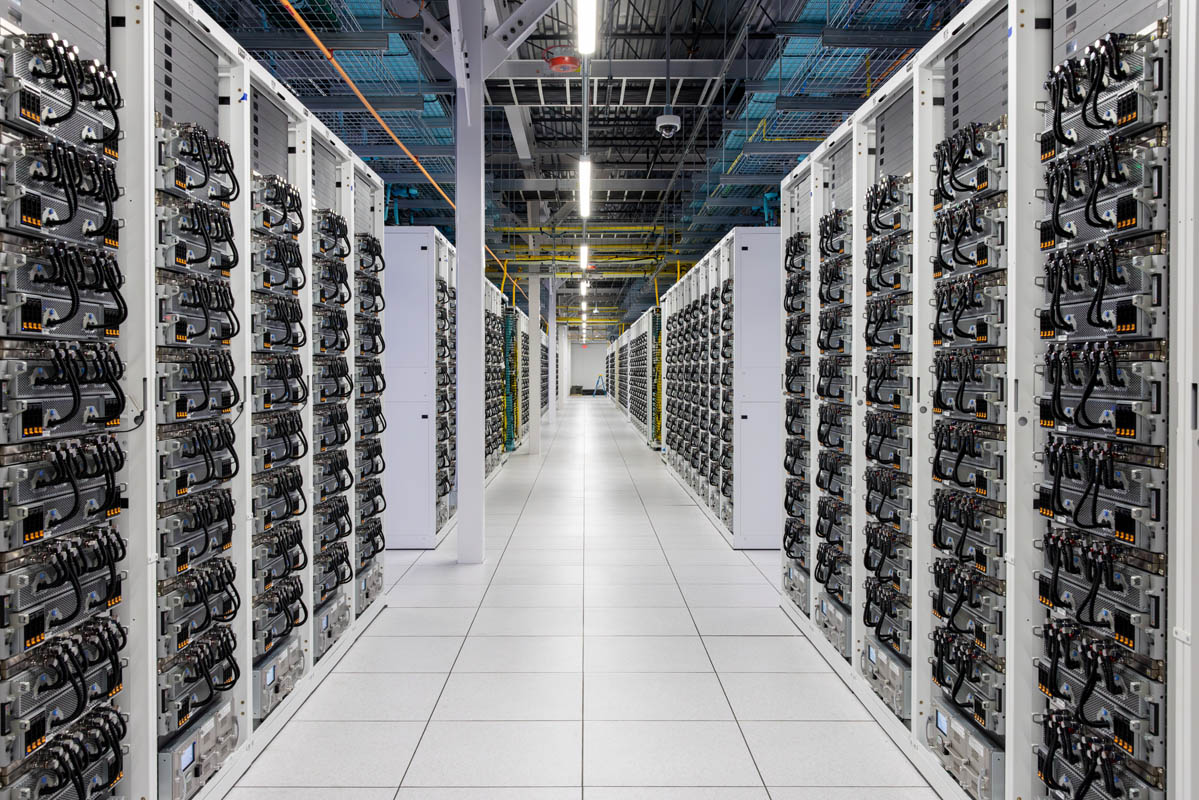
Musk’s assertion that Google will dominate “the West” is not about branding or product design. It’s about vertical integration at planetary scale.
Why Google Leads:
Custom silicon: Tensor Processing Units (TPUs) optimized for AI workloads
Data advantage: Search, YouTube, Maps—arguably the richest real-world dataset on Earth
Cloud integration: Tight coupling between infrastructure and models (e.g., Gemini)
Energy strategy: Flexible 1 GW contracts enabling sustained expansion
Unlike competitors who rely heavily on third-party chips, Google controls the stack—from silicon to software to data.
This is not just a lead. It is a moat measured in megawatts.
2. Earth: China’s Scale Machine
Musk’s second claim—that China will dominate “on Earth”—reflects a different model of power.
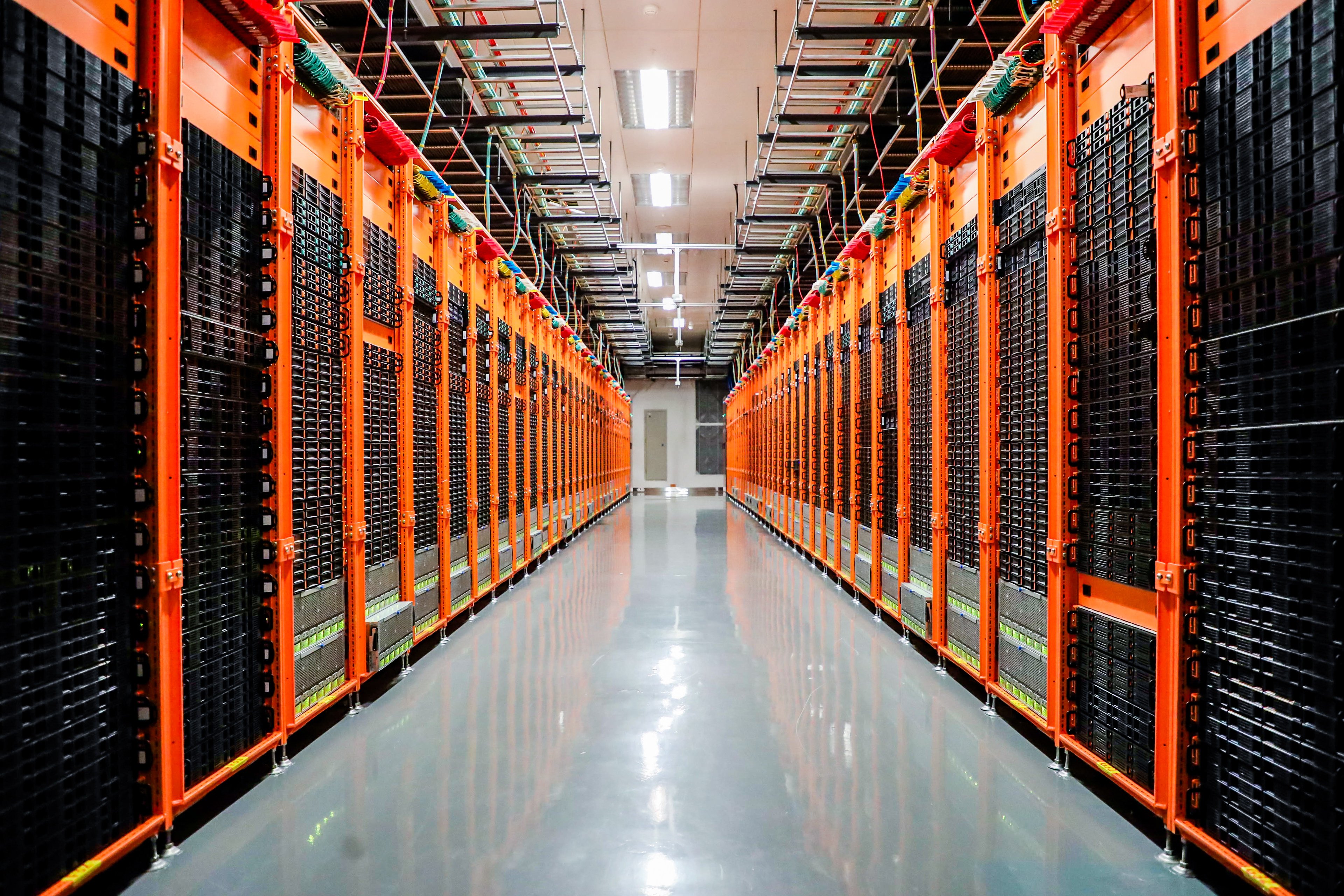
Companies like Huawei, Alibaba, and Baidu operate within a system that prioritizes coordinated scale.
China’s Advantages:
State-backed industrial policy
Domestic chip ecosystems (e.g., Ascend processors)
Massive infrastructure deployment
Algorithmic efficiency (e.g., sparse models, quantization)
Even under export controls, China is demonstrating a critical insight:
you don’t always need more compute—you need smarter compute.
If the West is optimizing for frontier breakthroughs, China is optimizing for system-wide saturation—embedding AI across every layer of society and industry.
3. Space: Musk’s Endgame
The third domain—space—is where Musk’s thinking becomes both radical and inevitable.
Through the integration of SpaceX and xAI, Musk is betting on a future where AI compute leaves Earth entirely.
Why Space?
Because Earth is a constrained environment:
Limited energy grids
Expensive cooling systems
Land and regulatory constraints
Space, by contrast, offers:
Unlimited solar energy
Natural vacuum cooling
No land constraints
Global connectivity via Starlink
Musk’s vision is audacious:
orbital data centers—self-assembling, solar-powered AI clusters launched by Starship.
If realized, this would invert the economics of compute:
Lower marginal costs
Near-infinite scalability
Reduced environmental trade-offs
In this framing, Earth becomes the training ground, while space becomes the true arena.
The New Bottleneck: Energy, Not Chips
For years, the AI conversation centered on chips—especially GPUs from Nvidia.
That era is ending.
The new constraint is energy.
Training runs now consume gigawatt-hours
Inference at global scale could require terawatt-level infrastructure
Data centers are increasingly co-located with power generation (nuclear, hydro, solar)
Google’s flexible-demand strategy, Microsoft’s multi-GW campuses, and Musk’s orbital ambitions all point to the same conclusion:
AI is becoming an energy industry.
Or more precisely: intelligence is being industrialized into electricity.
Competing Philosophies of Scale
What’s emerging is not just a race, but three distinct philosophies of building intelligence:
Google: Precision + Integration
A tightly controlled, vertically integrated ecosystem optimizing for efficiency and performance.
China: Scale + Coordination
A distributed, state-supported system maximizing deployment and coverage.
Musk: Expansion + Physics
A boundary-breaking approach that seeks to redefine the playing field itself.
Each is rational. Each is powerful. And each may dominate its respective domain.
The Deeper Insight: Intelligence Has Geography
For decades, software was considered borderless. AI is proving the opposite.
Intelligence now has:
Geography (data centers, energy sources, orbital space)
Supply chains (chips, cooling systems, fiber networks)
Political alignment (regulation, national strategy)
Musk’s framing—West, Earth, Space—is not just provocative. It is cartographic. It maps the future of intelligence onto physical domains.
The Civilization-Scale Buildout
What we are witnessing is not a tech cycle. It is infrastructure on the scale of railroads, الكهرباء grids, and the internet combined.
The clusters being built today are not endpoints—they are foundations:
Foundations for autonomous economies
Foundations for scientific discovery at machine speed
Foundations for systems that may eventually outthink their creators
And yet, as Musk observed, “almost no one understands the magnitude.”
That may be the most important insight of all.
Because by the time the magnitude becomes obvious,
the winners will already be decided.
Grok groks https://t.co/wj6TbI9oRx
— Elon Musk (@elonmusk) March 21, 2026
Coming out soon https://t.co/BTadAVrekO
— Elon Musk (@elonmusk) March 21, 2026
Humans are powerful because we use words to cooperate and build things together. But what happens when something else is able to use words better than us?
— Yuval Noah Harari (@harari_yuval) March 21, 2026
In conversation with Irene Tracey, Vice-Chancellor of the University of Oxford at @wef 2026 in Davos.
Watch the whole… pic.twitter.com/hVMnZ5lFQO
Orbital AI Compute: Elon Musk’s Blueprint for Space-Based Supercomputers
In February 2026, SpaceX acquired xAI and, in doing so, signaled a radical shift in the trajectory of artificial intelligence: move the heaviest computational workloads off Earth entirely.
It sounds like science fiction. It is, in fact, an engineering roadmap.
At the center of this vision is Elon Musk’s argument that Earth—despite all its infrastructure—is fundamentally a constrained environment for exponential intelligence. Power grids strain. Cooling systems consume oceans of water. Land, regulation, and local opposition slow expansion.
Space, by contrast, offers something Earth never can: abundance without friction.
“In the long term, space-based AI is obviously the only way to scale,” Musk wrote.
“Space is called ‘space’ for a reason.”
That line, half joke and half thesis, may turn out to be one of the most important strategic insights of the AI age.
From Data Centers to Constellations
The core idea is deceptively simple:
Replace centralized, الأرض-bound data centers with a distributed constellation of orbital supercomputers.
Not dozens. Not thousands.
Up to one million satellites, each functioning as a self-contained AI compute node:
Powered by continuous solar energy
Cooled by the vacuum of space
Networked together via laser links
Connected to Earth through the existing Starlink infrastructure
If today’s AI clusters resemble industrial factories, this system resembles something else entirely:
A planetary-scale neural network wrapped around Earth.
The Physics Advantage: Why Space Wins
Musk’s argument is not ideological. It is rooted in physics.
1. Energy: The Sun as an Infinite Power Supply
On Earth, solar energy is intermittent:
Night cycles
Weather disruptions
Atmospheric loss
In orbit—particularly sun-synchronous orbits—solar panels receive near-continuous sunlight, often achieving several times the effective output of terrestrial installations.
No clouds. No night. No compromise.
The implication is profound:
AI systems in space are not just powered—they are directly plugged into a star.
2. Cooling: The Gift of the Void
Cooling is the silent killer of terrestrial AI scaling.
Data centers require:
Massive water usage
Complex HVAC systems
Energy-intensive heat management
In space, cooling becomes elegantly simple:
Heat radiates directly into the cosmic background (~3 Kelvin)
No fluids, no compressors, no infrastructure
It is as if the universe itself becomes your heat sink.
For AI workloads—where thermal limits define performance—this is not an advantage. It is a liberation.

3. Space: The Ultimate Real Estate
On Earth, scaling compute means:
Negotiating land
Securing permits
Building infrastructure
Managing local opposition
In orbit, there is no zoning board.
There is only volume.
And volume, at scale, becomes destiny.

The Math of Orbital Compute
Musk’s vision is not just poetic—it is quantified.
Baseline Assumptions:
100 kW of compute per ton of satellite mass
1 million tons launched per year
Result:
+100 gigawatts of AI compute capacity added annually
At more aggressive launch cadences enabled by Starship:
300–500 GW per year becomes plausible
To put that in perspective:
The largest terrestrial AI clusters today operate in the hundreds of megawatts to low gigawatts
Musk is describing a system that scales into the hundreds of gigawatts per year
This is not a step-change.
It is a category change.
Starship: The Industrial Backbone
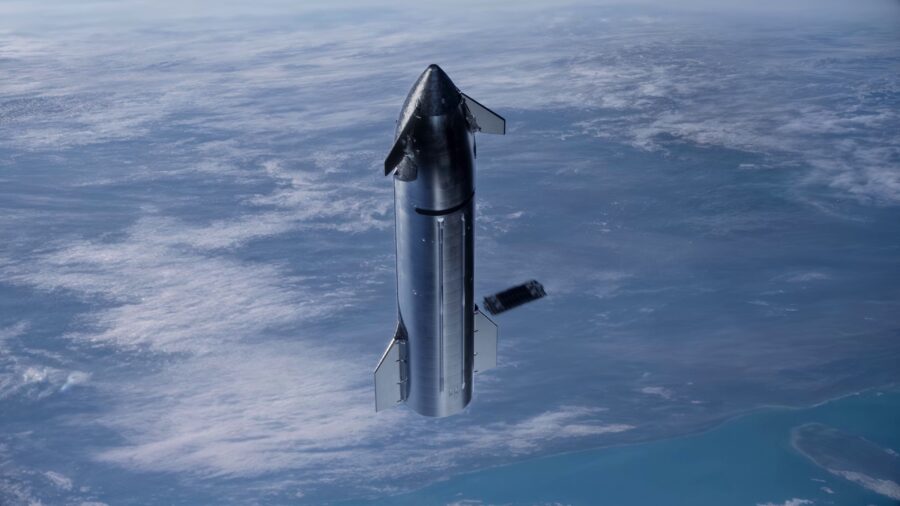
None of this works without Starship.
Starship is the keystone:
~200-ton payload capacity
Fully reusable architecture
Target launch costs approaching $200–500/kg to low Earth orbit
High-frequency launch cadence (eventually daily—or even hourly—at scale)
In traditional space economics, launch cost is the bottleneck.
Musk’s strategy flips that:
Make launch so cheap and frequent that mass deployment becomes inevitable.
If rockets are the railroads of space, Starship is not just a train—it is the entire logistics network.
Hardware in Orbit: Computing Under Radiation
Space is not a friendly environment.
Challenges include:
Radiation damage to chips
Thermal cycling
Limited repair options
The solution:
Radiation-hardened AI accelerators
Modular satellite architectures
Planned obsolescence (5–7 year lifespans, followed by de-orbit and replacement)
Companies like Google have already demonstrated that advanced chips (e.g., TPU-class systems) can survive multi-year missions in low Earth orbit.
In this model, satellites are not permanent assets.
They are compute cartridges—launched, used, replaced.
Networking the Sky
A million satellites are useless without coordination.
Enter:
Optical laser links between satellites
Integration with Starlink
Direct Earth-to-orbit communication pipelines
This creates a mesh network in space, where:
Heavy computation stays in orbit
Only queries and results travel to Earth
Think of it as:
Earth → “user interface”
Orbit → “processing layer”
The cloud doesn’t just scale.
It ascends.
Economics: Expensive Today, Inevitable Tomorrow
Today, orbital compute is not cheap.
Estimates suggest:
~$51 per watt for orbital AI infrastructure
vs. ~$16 per watt for terrestrial equivalents
Operational costs (energy, maintenance) are also higher—for now.
But this is where Musk’s strategy becomes clear:
Vertical integration (rockets + satellites + AI)
Rapid iteration cycles
Declining launch costs
The expectation:
a steep cost curve downward, potentially reaching parity—or even advantage—within a decade.
Musk’s timeline is aggressive (late 2020s).
Independent analysts suggest the 2030s.
But both agree on one thing:
The physics works. The question is timing.
Challenges: The Gravity of Reality
No vision at this scale comes without friction.
1. Orbital Debris
A million satellites increase collision risks and congestion.
Mitigation depends on strict de-orbit protocols and autonomous avoidance systems.
2. Regulation
Spectrum allocation, orbital slots, and international governance remain complex and evolving.
3. Latency
While suitable for many inference tasks, ultra-low-latency applications may still favor terrestrial compute—for now.
4. Environmental Concerns
Astronomers worry about light pollution and interference.
The night sky itself becomes a contested resource.
The Strategic Implication: A New High Ground
In military history, high ground confers advantage.
In the AI era, orbit may become the ultimate high ground.
While terrestrial players—Microsoft, OpenAI, Google, and China’s tech giants—scale within Earth’s constraints, Musk is attempting something different:
Change the playing field entirely.
This aligns with his broader thesis:
Google dominates the West
China dominates terrestrial scale
SpaceX/xAI dominates beyond Earth
Not because of better models alone—but because of better physics.
Beyond Earth: The Road to a Star-Scale Civilization
The most audacious part of the vision lies further ahead.
Musk outlines a future involving:
Lunar manufacturing facilities
Electromagnetic mass drivers launching satellites without rockets
Annual compute scaling into terawatts and beyond
At that point, the goal is no longer just better AI.
It is something larger:
Harnessing a meaningful fraction of the Sun’s energy.
This is the threshold of a Kardashev scale Type II civilization—a society that can utilize the full power output of its star.
It sounds distant. It is.
But the first steps—rockets, satellites, orbital compute—are already being taken.
The Deeper Insight: Intelligence Wants to Expand
There is a pattern here, almost biological in nature.
Life moved from oceans to land
Humans expanded across continents
Networks expanded across the planet
Now intelligence itself is expanding:
From local machines
To global data centers
To orbital infrastructure
It is as if intelligence, once born, seeks room to grow.
Earth was enough—until it wasn’t.
Conclusion: The Sky Is Not the Limit
Most people still think of AI as software.
A model. A chatbot. An app.
But beneath the surface, a different story is unfolding—one of steel, silicon, sunlight, and scale.
Google’s gigawatt data centers are the visible tip of the iceberg.
China’s coordinated infrastructure is the industrial base.
And above it all, quietly taking shape, is Musk’s wager:
That the future of intelligence will not be built on الأرض alone,
but in the vast, silent, energy-rich expanse above it.
Because when growth becomes exponential,
even a planet is too small a container.
I have an AI video editor. Wanna invest?
— Paramendra Kumar Bhagat (@paramendra) March 21, 2026
AI bots will be more human than human https://t.co/htIlU2FBAK
— Elon Musk (@elonmusk) March 21, 2026
SpaceXAI will offer a Multipass https://t.co/mxh45ARex2
— Elon Musk (@elonmusk) March 21, 2026
AI Energy Bottlenecks: Power Is the New Limiting Factor in the Intelligence Race (March 2026)
For years, the story of artificial intelligence was told in silicon: faster chips, bigger models, deeper pockets. But as of 2026, that narrative has shifted. The constraint is no longer primarily computational design or capital—it is electricity.
Or more precisely: the ability to generate, move, and dissipate energy at unprecedented scale.
Elon Musk summarized it with characteristic bluntness:
“The AI race will come down to scaling power and chip output.”
That sentence may prove as consequential as any product launch or model breakthrough. Because beneath the surface of chatbots and generative models lies a harsher reality:
Intelligence has become an energy problem.
The New Physics of Intelligence
Every modern AI system is, at its core, a machine that converts electricity into structured prediction.
Training consumes vast bursts of energy over weeks or months
Inference consumes smaller amounts per query—but at planetary scale
What has changed is not just the efficiency of models, but the sheer scale of deployment.
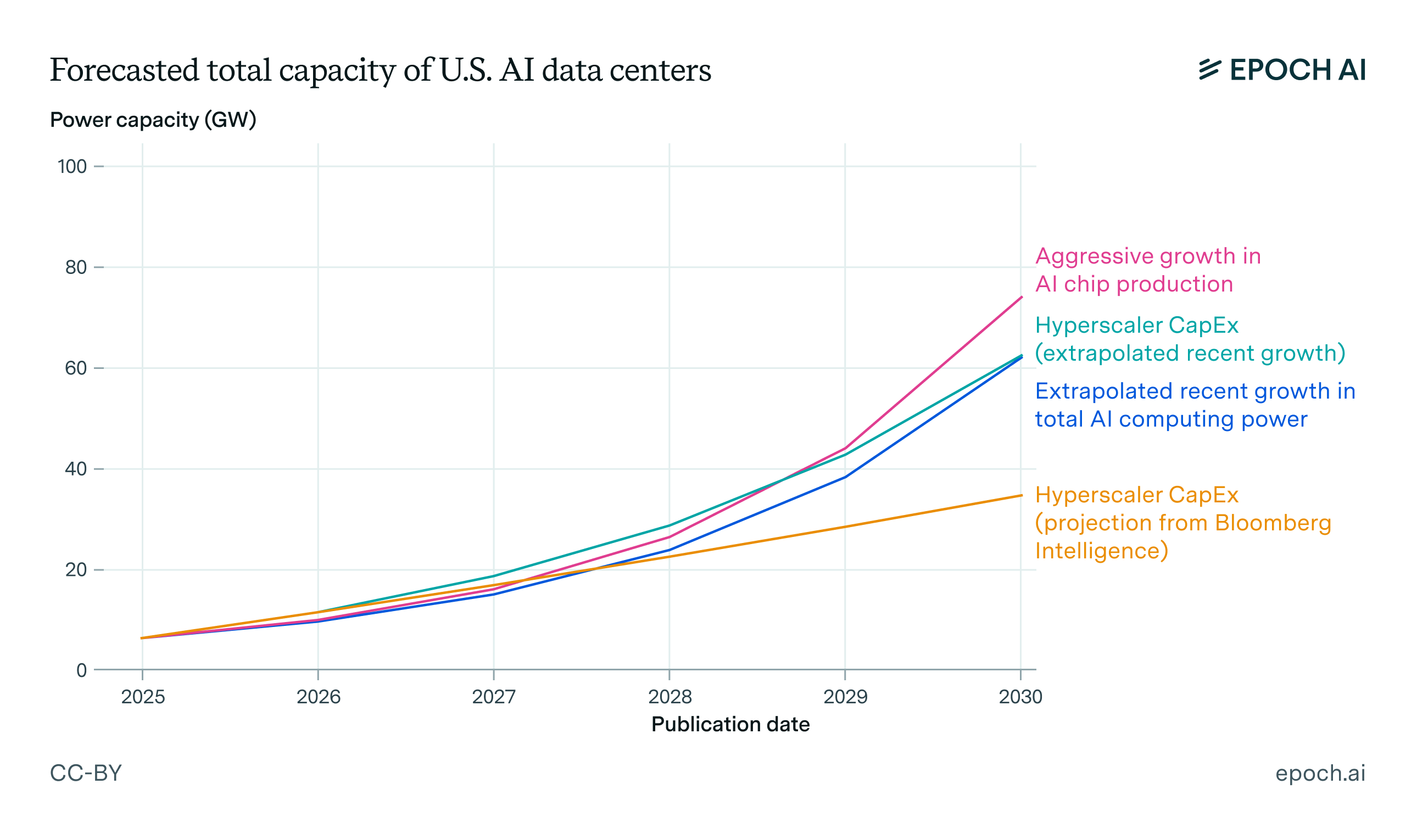
Frontier AI clusters now operate at:
Hundreds of megawatts per training run
Entire campuses targeting gigawatt-scale capacity
To visualize this:
A 1 GW data center rivals a nuclear power plant
A single large AI cluster can draw as much power as a mid-sized city
The metaphor of “cloud computing” is increasingly misleading.
This is not a cloud.
It is heavy industry.
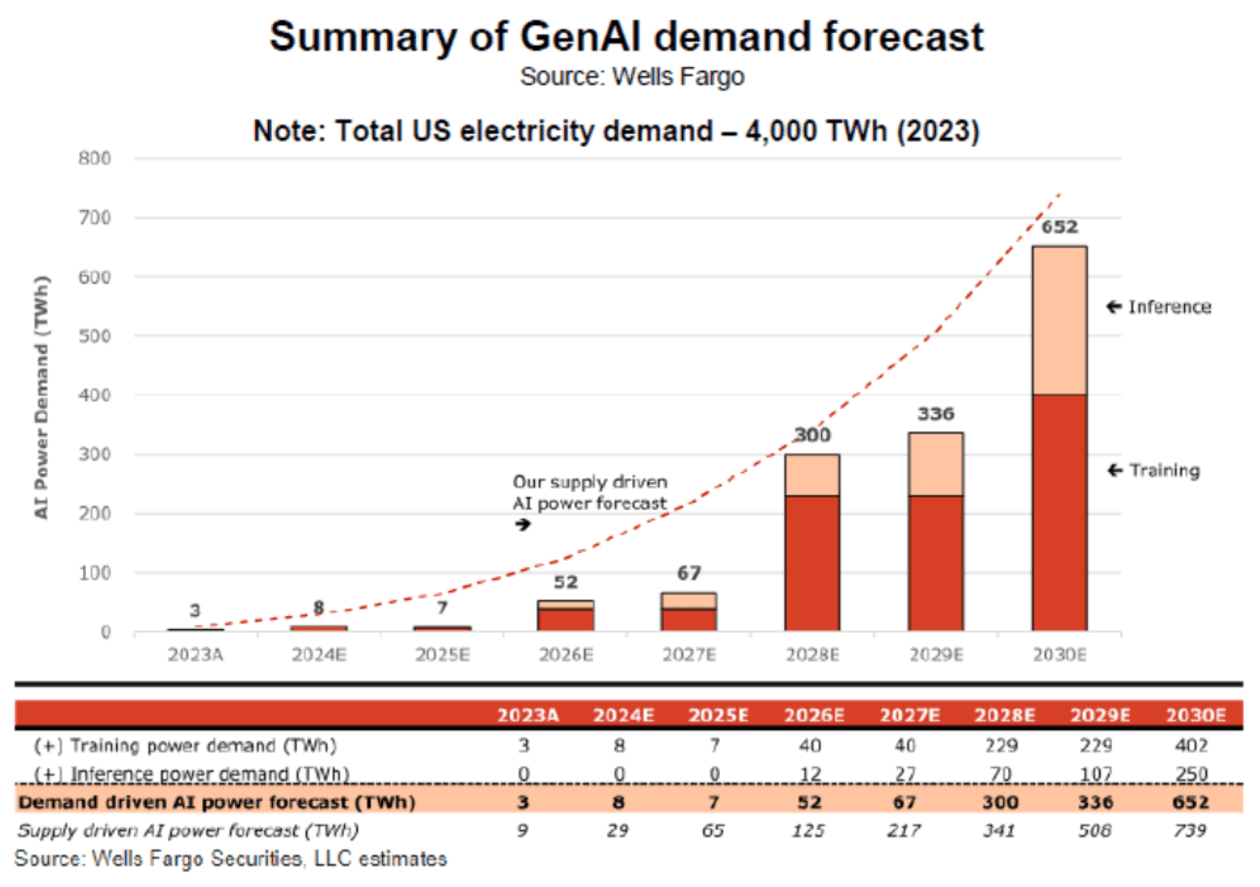
The Explosive Growth Curve (2024–2030)
The numbers tell a story of acceleration that borders on exponential.
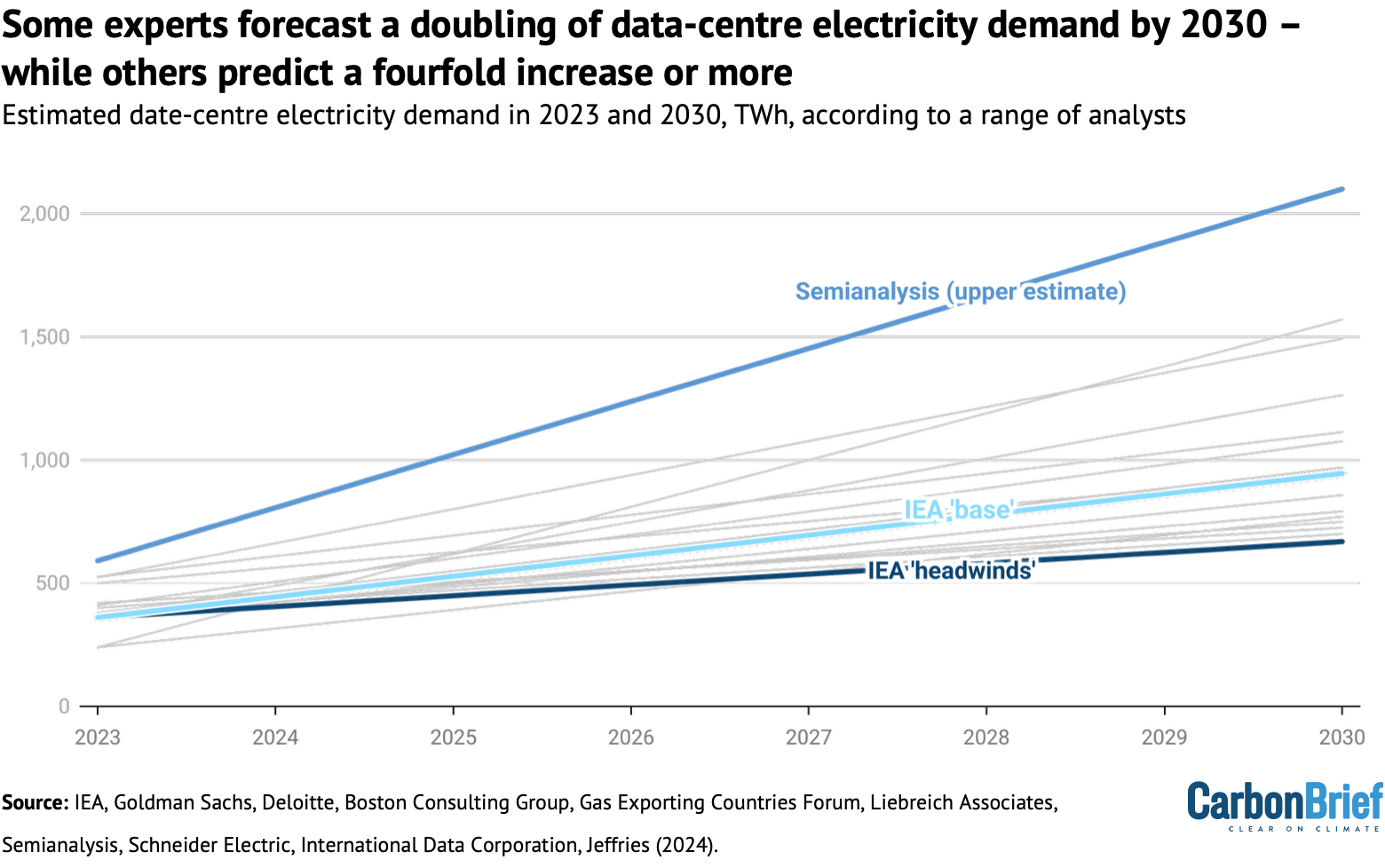
Global Scale
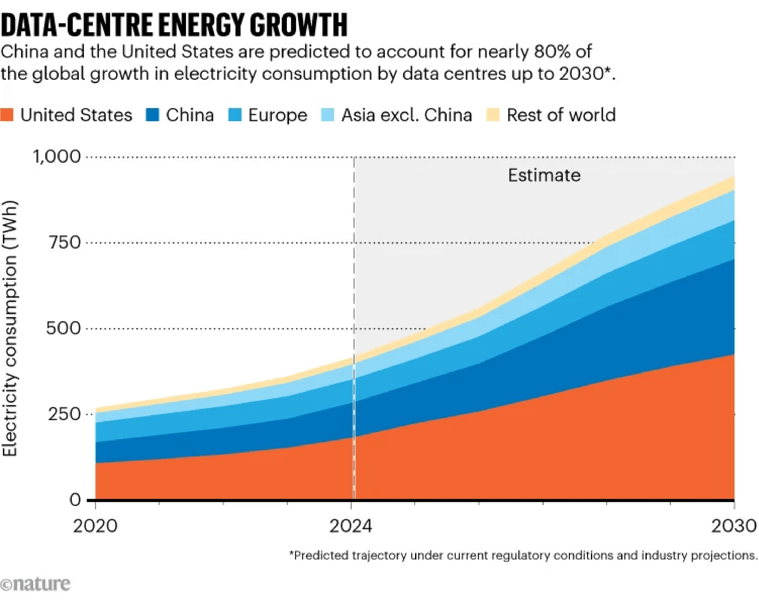
~415 terawatt-hours (TWh) of data center electricity consumption in 2024
Projected to reach ~945 TWh by 2030 (base case)
Upper estimates exceed 2,000 TWh
That’s comparable to the annual electricity consumption of entire nations.
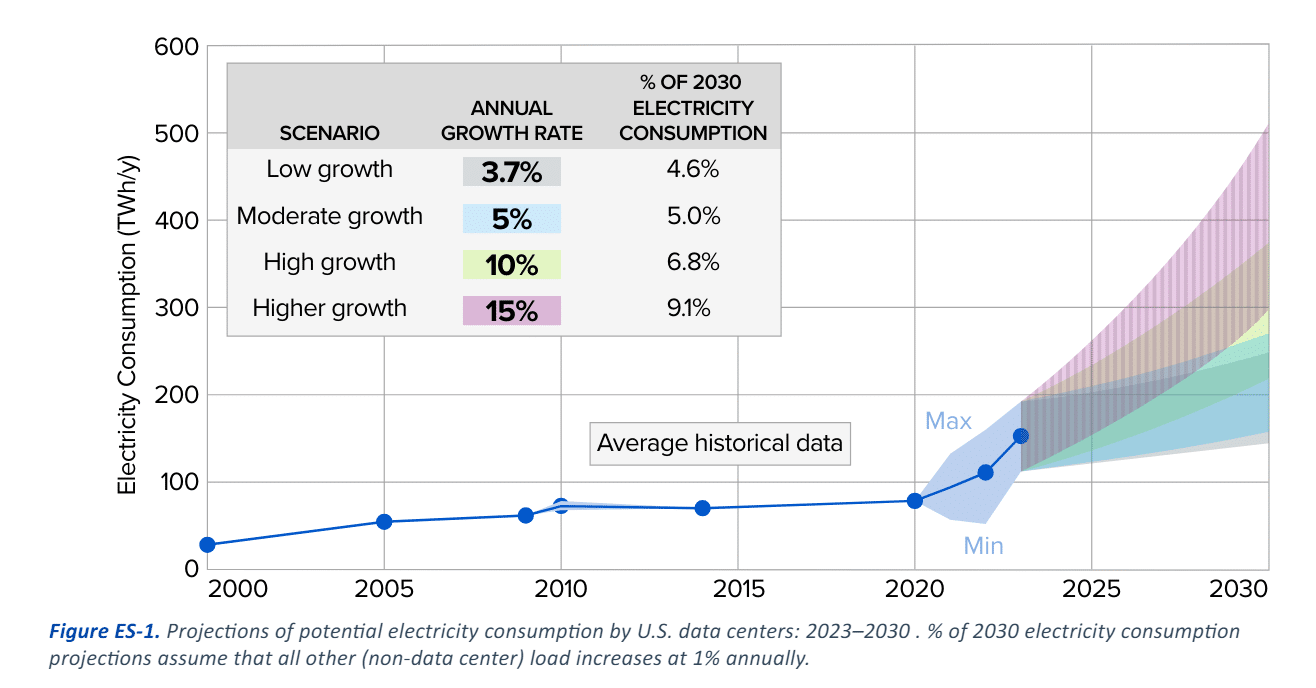
United States
176 TWh in 2023 (~4.4% of national demand)
Projected 325–580 TWh by 2028 (6.7–12%)
Data centers expected to drive ~50% of all demand growth through 2030
AI-Specific Workloads
~53–76 TWh in 2024
Rising to 165–326 TWh by 2028
This is not linear growth.
It is a surge wave, driven by model scaling, enterprise adoption, and consumer usage.
And unlike previous tech booms, this one hits a hard wall:
the grid itself.

The Four Core Bottlenecks
1. Grid Interconnection: The Hidden Queue
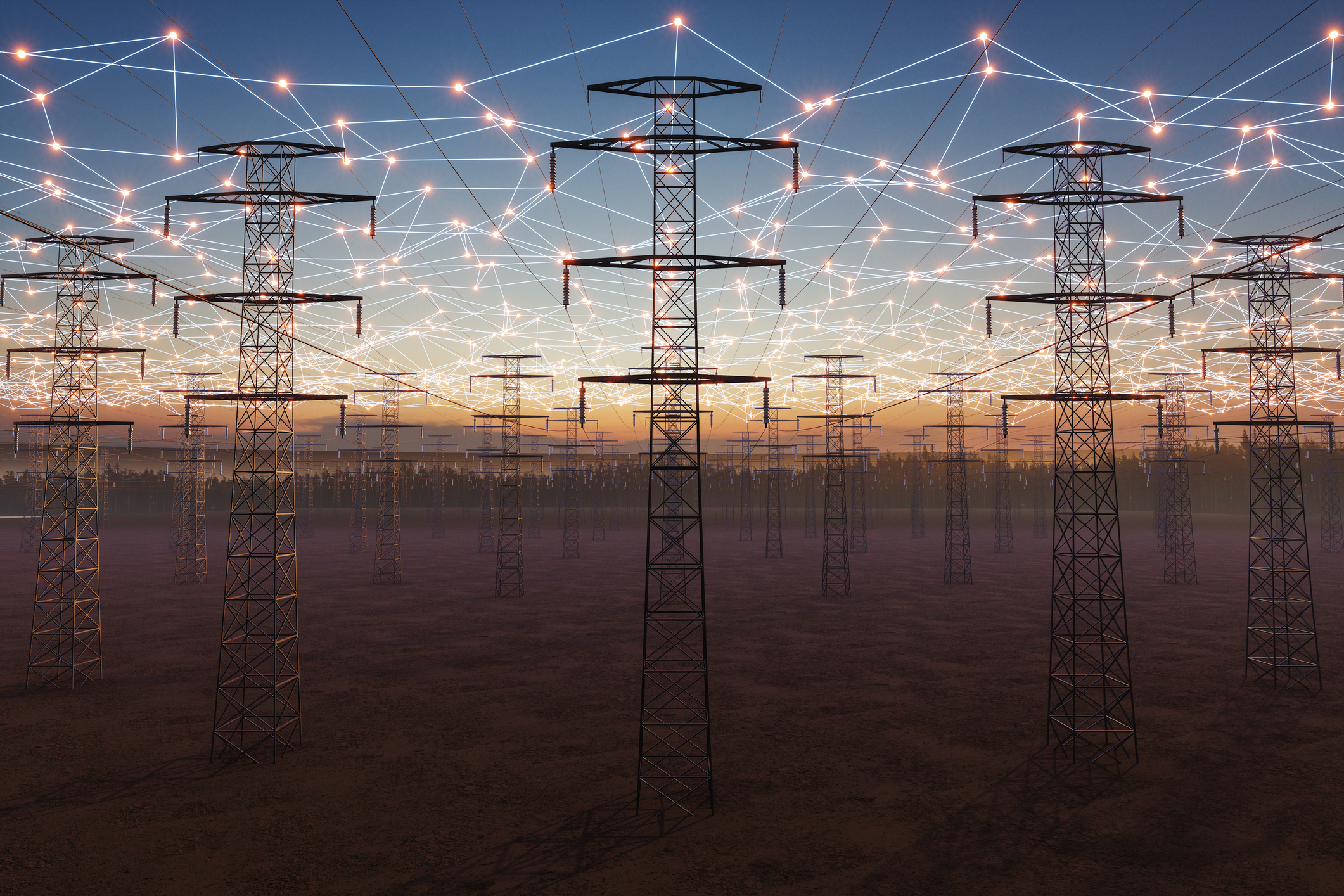
Electric grids were designed for:
Predictable demand
Gradual growth (~1% annually)
AI arrives differently:
Sudden 100–1,000 MW loads
Near-constant utilization
The result:
Exploding interconnection queues
Multi-year delays for new capacity
Infrastructure bottlenecks in transformers, substations, and transmission lines
Building a hyperscale data center takes 18–24 months.
Upgrading the grid to support it takes 5–7 years.
This mismatch is now the central tension in AI expansion.
2. Cooling and Power Density: The Heat Problem
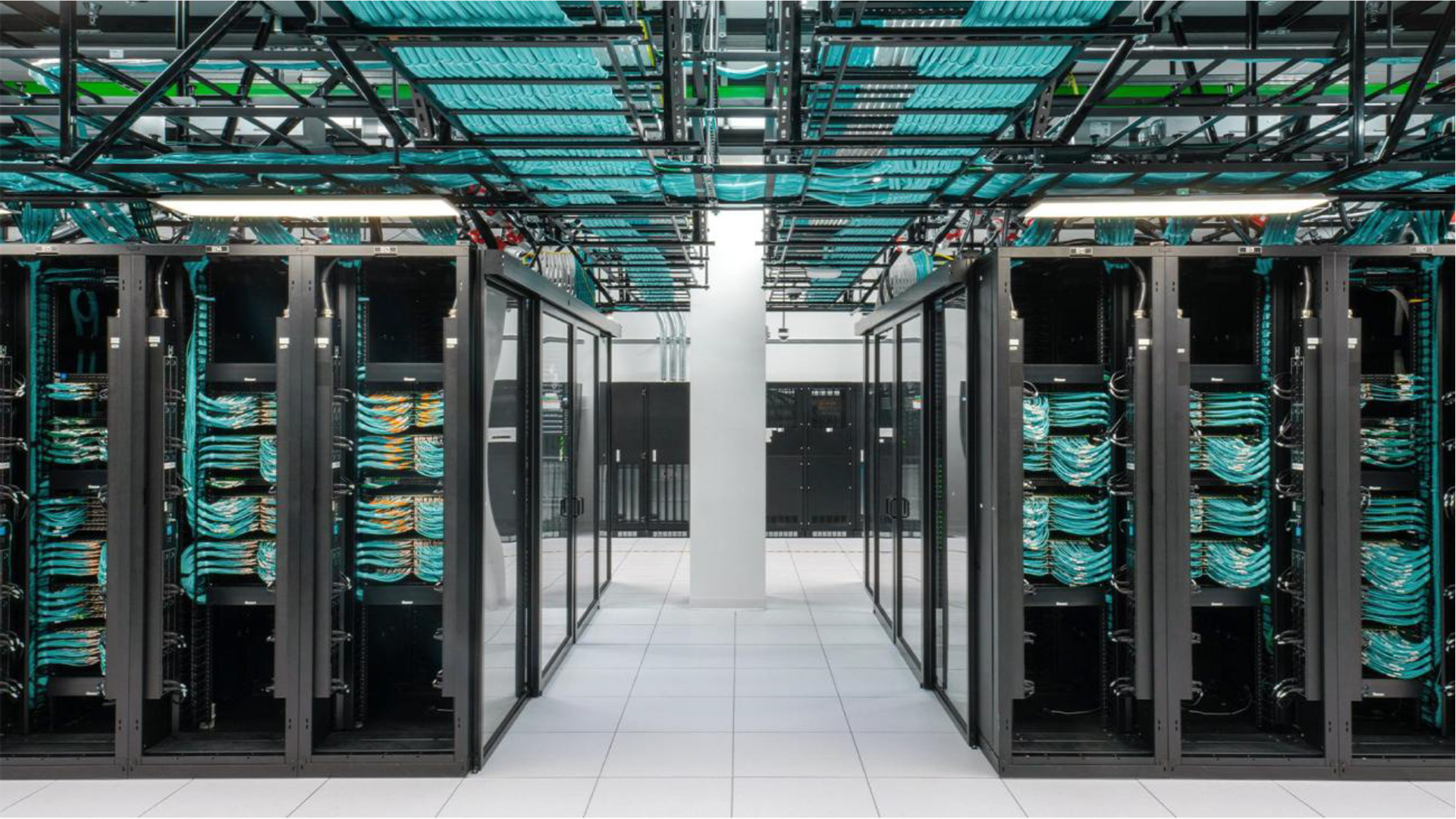
AI hardware has crossed a thermal threshold.
Traditional racks: 5–10 kW
Modern AI racks: 50–100+ kW
Air cooling is no longer sufficient. The industry is rapidly shifting to:
Direct-to-chip liquid cooling
Immersion cooling systems
These solutions introduce new challenges:
Water consumption
Complex plumbing
Higher operational overhead
In effect, AI data centers are becoming thermodynamic systems, not just computational ones.
3. Training vs. Inference: The Energy Split
There are two distinct energy regimes:
Training
Massive, concentrated energy bursts
Tens to hundreds of megawatts over months
Rare but extremely intensive
Inference
Lower energy per query
But billions (soon trillions) of queries daily
Increasingly dominant in total consumption
Typical per-query energy:
Google Gemini: ~0.24 Wh
OpenAI-class models: ~0.3–1.7 Wh
Individually trivial. Collectively enormous.
Inference is the long tail that becomes the main body.
4. Capital, Permitting, and Geography
Even when power exists, accessing it is difficult.
Constraints include:
Land availability near cheap energy
Transmission bottlenecks in rural areas
Environmental and political opposition
The result is a new kind of scarcity:
Not compute. Not capital.
Location.
Where you build matters as much as what you build.
Real-World Signals (2026)
The bottleneck is no longer theoretical—it is already shaping strategy.
Google is locking in gigawatt-scale flexible power contracts, effectively reserving future energy supply
xAI has experienced training delays due to power reliability issues
Microsoft and partners like OpenAI are building multi-GW campuses but facing grid delays
Meta is committing hundreds of billions to infrastructure while navigating similar constraints
China’s ecosystem—Huawei, Alibaba—is relocating compute to energy-rich regions under coordinated policy frameworks
Across the board, one pattern is clear:
The winners are pre-purchasing power years in advance.
The Strategic Pivot: From Chips to Watts
For over a decade, Nvidia symbolized the AI boom.
Today, the center of gravity is shifting.
The critical questions are no longer:
Who has the best chips?
But:
Who has the most reliable energy supply?
Who can scale power the fastest?
Who can dissipate heat most efficiently?
In this new paradigm, electricity becomes:
The raw material
The bottleneck
The ultimate competitive advantage
The Emerging Solutions
1. Nuclear Renaissance
Small modular reactors (SMRs)
Restarting dormant plants
Co-locating data centers with nuclear facilities
2. Behind-the-Meter Energy
On-site solar + battery storage
Direct gas generation
Private power purchase agreements
3. Efficiency Gains
Custom silicon (TPUs, ASICs)
Model optimization (quantization, sparsity)
Better software-hardware co-design
4. Geographic Arbitrage
Moving compute to regions with cheap, abundant energy
“Follow the electrons” strategy
The Radical Option: Leave Earth
And then there is the most extreme solution—championed by Musk:
Move compute off-planet.
Through SpaceX and its integration with xAI, the idea is to build:
Solar-powered orbital data centers
Radiatively cooled in the vacuum of space
Unconstrained by terrestrial grids
In this model:
Energy is effectively unlimited
Cooling is free
Scaling becomes a matter of launch capacity
It sounds radical. But it directly addresses every terrestrial bottleneck.
The Deeper Insight: Intelligence Is Becoming Infrastructure
What we are witnessing is not just an energy crisis. It is a transformation in the nature of intelligence itself.
AI is no longer:
A layer on top of infrastructure
It is infrastructure.
Like railroads in the 19th century
Like الكهرباء grids in the 20th
Like the internet in the late 20th and early 21st
AI is becoming a foundational system—one that reshapes economies, geopolitics, and the physical world.
And like all infrastructure revolutions, it is constrained not by ideas, but by materials and energy.
Conclusion: The Power Meter Decides
The AI race is often framed in terms of models, benchmarks, and breakthroughs.
But those are surface-level metrics.
Beneath them lies a simpler truth:
The future of intelligence will be determined by who can generate, move, and manage the most energy.
In that sense, the decisive instrument of the AI age is not the GPU.
It is the power meter.
Almost no one fully grasped the magnitude of hyperscale compute buildouts just a few years ago.
Today, the same underestimation applies to energy infrastructure.
But the pattern is clear:
Those who solve power at scale—whether through grids, nuclear, renewables, or orbit—
will not just lead the AI race.
They will define it.

No comments:
Post a Comment