Showing posts with label vr. Show all posts

Sunday, January 18, 2026

Mars, Google Glass, and the Zuck Helmet

Mark Zuckerberg’s Helmet: A Love Letter to Vertigo
Sergey Brin's Google Glass Adventures In Steve Jobsism


Mars, Google Glass, and the Zuck Helmet

A Short History of Billionaires Picking Fights with the Human Body

Every tech era has its signature delusion: the moment when a very smart person with a very large bank account decides that biology is merely a suggestion.

Sergey Brin had Google Glass.
Mark Zuckerberg had the VR helmet.
Elon Musk has Mars.

Different gadgets, same mistake.

When Visionaries Forget Humans Have Necks, Eyes, and Social Norms

Google Glass failed not because the technology didn’t work, but because humans did. People didn’t like being stared at by walking surveillance cameras. Turns out, society has unspoken rules like “don’t film me while I’m eating a burrito.” Glass wearers learned this the hard way—usually through social exile or light public ridicule.

Then came Zuckerberg’s helmet: a plastic crown promising a virtual universe, delivered with the subtlety of a scuba mask at a dinner party. Wearing it felt less like entering the metaverse and more like volunteering for a mild hostage situation. Neck strain, eye fatigue, isolation—basic human anatomy raised its hand and said, “Excuse me, this is a terrible idea.”

Both products shared a fatal flaw:
They assumed humans would adapt to machines, rather than machines adapting to humans.

Enter Mars.

Mars: The Ultimate Disrespect to Human Biology

If Google Glass annoyed society and VR helmets annoyed spines, Mars outright declares war on the human body.

Let’s review the Mars job description:

  • Gravity: ~38% of Earth’s
    (Your bones: “We’re out.”)

  • Atmosphere: Basically decorative

  • Radiation: Free, unlimited, and lethal

  • Commute: 6–9 months in a flying closet

  • Return policy: Unclear, possibly fictional

The human body evolved for Earth. We are not modular furniture. Our organs, muscles, vestibular systems, immune responses, and mental health are all calibrated to one very specific blue rock.

Mars asks us to live permanently in low gravity, inside sealed cans, eating processed food, with no trees, no oceans, and no room to stretch. That’s not pioneering. That’s extreme indoor living.

Claustrophobia for months. Isolation for years. Solar radiation gently rewriting your DNA like an overenthusiastic editor. Even Earth’s deepest oceans—dark, pressurized, terrifying—are more hospitable to human life than Mars.

At least underwater, gravity still works.

Mars isn’t a colony plan. It’s a stress test for how much discomfort humans will tolerate in the name of billionaire aesthetics.

Robots: Yes. Humans: Absolutely Not.

Mars makes sense—for robots.

Robots don’t need gravity.
Robots don’t get lonely.
Robots don’t care if the sunset looks like a dusty Instagram filter.

Send machines. Build factories. Mine rocks. Study geology. Do science. That’s sensible.

But selling Mars as humanity’s backup plan is like suggesting we all move into server racks because the rent is cheaper.

It’s not courage. It’s a misunderstanding of what keeps humans sane.

The Real Space Economy Is Boring—and That’s Why It Works

Now here’s the twist ending the hype merchants hate:

Space is enormously valuable—just not in the sci-fi cosplay way.

Low Earth Orbit (LEO) is where the real revolution lives.

  • Global broadband

  • Earth observation and climate monitoring

  • Precision agriculture

  • Disaster prediction

  • Navigation, logistics, and timing systems

  • Manufacturing in microgravity

  • Space-based solar power (eventually)

LEO doesn’t require humans to abandon gravity, sunlight, or psychology. It enhances life on Earth, instead of trying to escape it.

This is the difference between:

  • “Let’s fix the planet using space”
    and

  • “Let’s abandon the planet because it’s inconvenient.”

One is engineering. The other is escapism with rockets.

The Pattern Is Clear

Google Glass failed because it ignored social biology.
VR helmets stumbled because they ignored physical biology.
Mars colonization fantasies persist because they ignore all biology at once.

The future doesn’t belong to people who shout “humans will adapt.”
It belongs to those who whisper, “humans matter.”

Build tools that fit faces.
Build systems that respect bodies.
Use space to improve Earth, not audition for exile.

Mars will still be there—cold, red, and unimpressed.

Just like the humans who took off the helmet, removed the Glass, and asked a very reasonable question:

“Why are we doing this again?”


Mark Zuckerberg’s Helmet: A Love Letter to Vertigo

Sergey Brin's Google Glass Adventures In Steve Jobsism


Mark Zuckerberg’s Helmet: A Love Letter to Vertigo

Just like Mark Zuckerberg borrowed the Facebook idea, just like he borrowed—and then bought—Instagram, one fine day he decided to plunk a heroic amount of money into a helmet.

Not a metaphorical helmet.
Not a safety helmet.
A literal, face-hugging, soul-smothering, battery-powered helmet.

Just like Steve Jobs gave the world the iPhone, Mark Zuckerberg was going to gift the world… a helmet.

History, alas, had other plans.


From “Move Fast and Break Things” to “Move Slowly and Sit Down”

Zuckerberg envisioned the helmet as humanity’s next great leap. The printing press. Electricity. The internet. And now: strapping a toaster-sized computer to your skull so you can attend meetings as a cartoon.

The pitch was simple:

Reality is overrated. Let’s log out of it.

Why look at your coworkers through a screen when you can look at their floating torsos while their legs never load? Why experience joy naturally when you can purchase it for $1,499 plus tax and mild nausea?

This was not just a product.
This was the Metaverse—a place where anything was possible, except profitability.


The Dizziness Economy

Zuckerberg expected dizzying success.

Instead, he only got the dizzying.

Vertigo.

Motion sickness became Meta’s most consistent user engagement metric. People didn’t just use the headset—they endured it. VR was the first tech product that came with an unspoken instruction manual:

  1. Put on helmet

  2. Say “Wow”

  3. Say “Oh no”

  4. Sit down

  5. Question life choices

Never before had Silicon Valley created a device so effective at simulating both the future and a mild concussion.


A Helmet in Search of a Head

The fundamental problem was simple: humans have necks.

No focus group had apparently raised this inconvenient anatomical detail. Wearing the headset felt less like entering the future and more like being punished for crimes against ergonomics.

Early adopters discovered that VR workouts mostly exercised one muscle group: regret.

Parents used it once and said, “This is neat,” in the same tone they used for their children’s macaroni art. Gamers liked it—for about 45 minutes. Office workers were deeply unsure why their boss wanted them to wear scuba gear to attend a budget meeting.

And normal people—the largest demographic of all—looked at it and thought:

I already don’t like Zoom. Why would I want Zoom with nausea?


The Avatar Problem

In the Metaverse, everyone got a shiny avatar. Smooth skin. Empty eyes. Legs that were optional.

It was a bold aesthetic choice: Pixar characters designed by HR.

Nothing inspires confidence like being pitched the future of humanity by a floating torso with no feet, smiling vacantly in a digital conference room that looks like a Marriott lobby designed by aliens.

The promise was presence.
The reality was haunted Wii characters discussing quarterly earnings.


Billions Were Spent. Reality Refused to Care.

Meta spent tens of billions building the Metaverse. Entire forests were converted into PowerPoint decks explaining why this was definitely happening and you were definitely going to like it.

Reality, however, responded with brutal indifference.

People preferred phones.
People preferred couches.
People preferred not sweating inside a plastic helmet just to attend a birthday party hosted by a cartoon uncle.

The Metaverse wasn’t dead—it just never really lived.


Steve Jobs Made a Device You Could Forget You Were Using

Mark Zuckerberg made a device you could not forget for even three seconds.

The iPhone disappeared into your life.
The VR helmet announced itself like a needy parrot:

HELLO. I AM ON YOUR FACE.

Jobs removed friction.
Zuckerberg added straps.

Jobs said, “It just works.”
Zuckerberg said, “Adjust until comfortable,” which is corporate for good luck.


The Legacy of the Helmet

To be fair, the helmet did achieve something historic.

It proved that:

  • Money cannot force adoption

  • Vision cannot overcome neck strain

  • And no one wants to look stupid and nauseous at the same time

The VR helmet will live on—not as the gateway to the future, but as a cautionary tale taught in business schools:

Sometimes the next big thing is just a very expensive headache.


Epilogue: Somewhere, the Helmet Waits

Somewhere in a closet, right now, a VR headset is gathering dust. Its batteries are dead. Its owner has forgotten the password. Its foam padding smells faintly of ambition.

It waits patiently.

For the next demo.
For the next pitch.
For the next brave soul willing to believe that the future of humanity begins with strapping a brick to your face.

And spinning.

Slowly.

Very, very slowly. đŸ˜ĩ‍đŸ’Ģ


Friday, August 01, 2025

The Tech Convergence of the 2020s: Mapping the Major Technologies and the Future They’re Building Together

The Tech Convergence of the 2020s: Mapping the Major Technologies and the Future They’re Building Together


The 2020s are a decade of convergence. No longer is innovation driven by single technologies in isolation. Instead, the most transformative breakthroughs arise at the intersections—where artificial intelligence meets biotech, or where blockchain blends with climate tech. Below, we explore the 10–20 major technologies defining this decade, and then dive deep into the combinatorial magic that is giving rise to entire new industries and game-changing companies.


🔧 The 20 Most Pivotal Technologies of the 2020s

Here’s a breakdown of the most important technologies right now, and those likely to dominate the rest of the decade:

1. Artificial Intelligence (AI)

AI has become the foundational layer of modern tech—spanning natural language processing (like ChatGPT), computer vision, robotics, and more. It's being used in virtually every industry: healthcare, finance, logistics, creative arts, and even governance.

2. Machine Learning & Deep Learning

These subsets of AI enable systems to learn from data and improve over time. Neural networks, transformer models, and reinforcement learning are enabling breakthroughs in drug discovery, autonomous vehicles, and personalized recommendations.

3. Quantum Computing

Still in its early stages, quantum computing promises exponential speedups in processing power for certain types of problems—like simulating molecules or solving complex optimization challenges. Giants like IBM, Google, and startups like PsiQuantum are pushing the limits.

4. Blockchain and Decentralized Ledger Technologies (DLT)

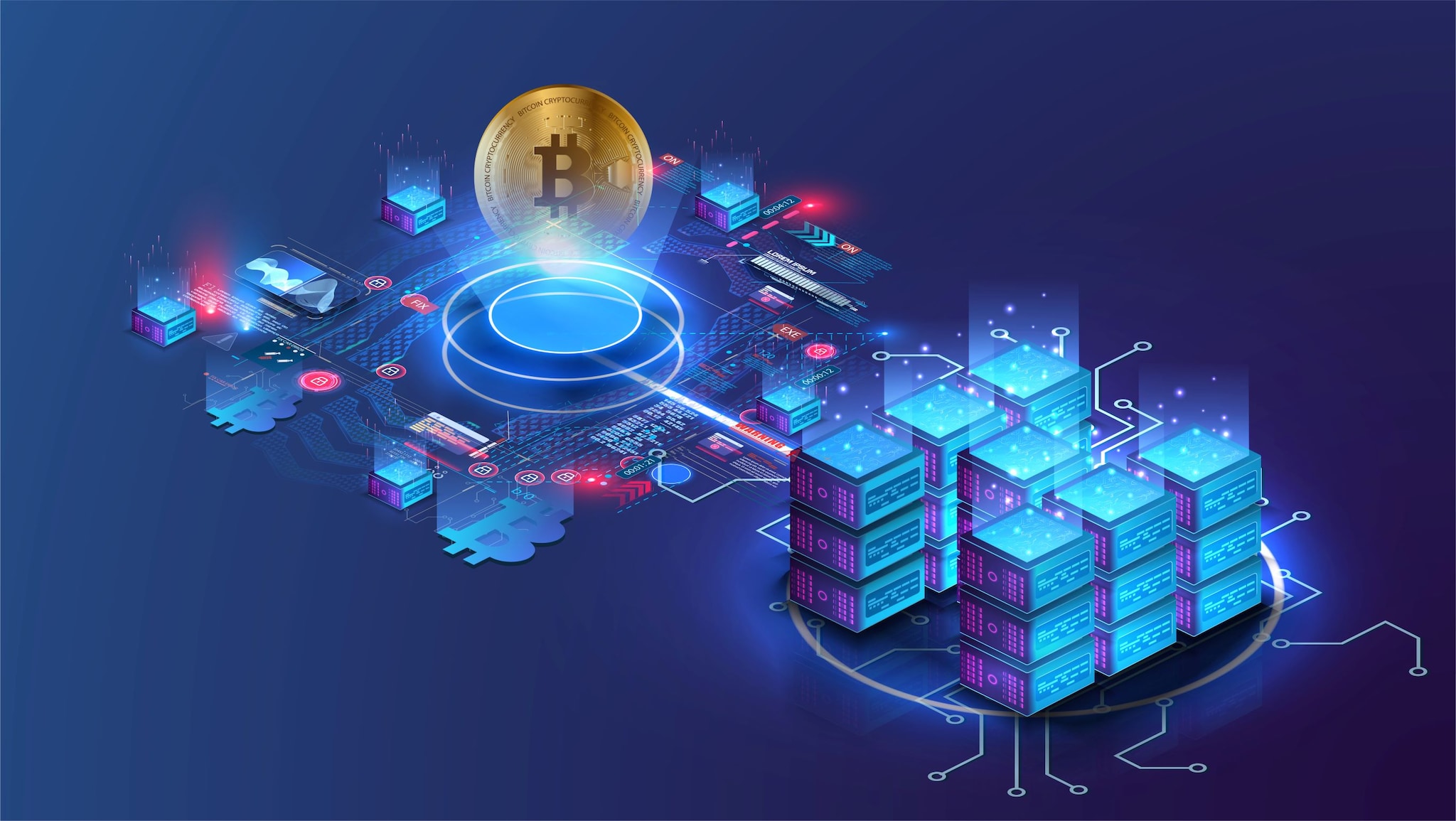
Originally known for powering cryptocurrencies, blockchain is now being applied to supply chains, finance, digital identity, voting systems, and decentralized internet infrastructure.

5. Web3

Built on blockchain, Web3 proposes a user-owned internet with decentralized apps (dApps), community governance (DAOs), and new business models for creators. It's controversial, experimental—but evolving rapidly.

6. Extended Reality (XR): AR/VR/MR

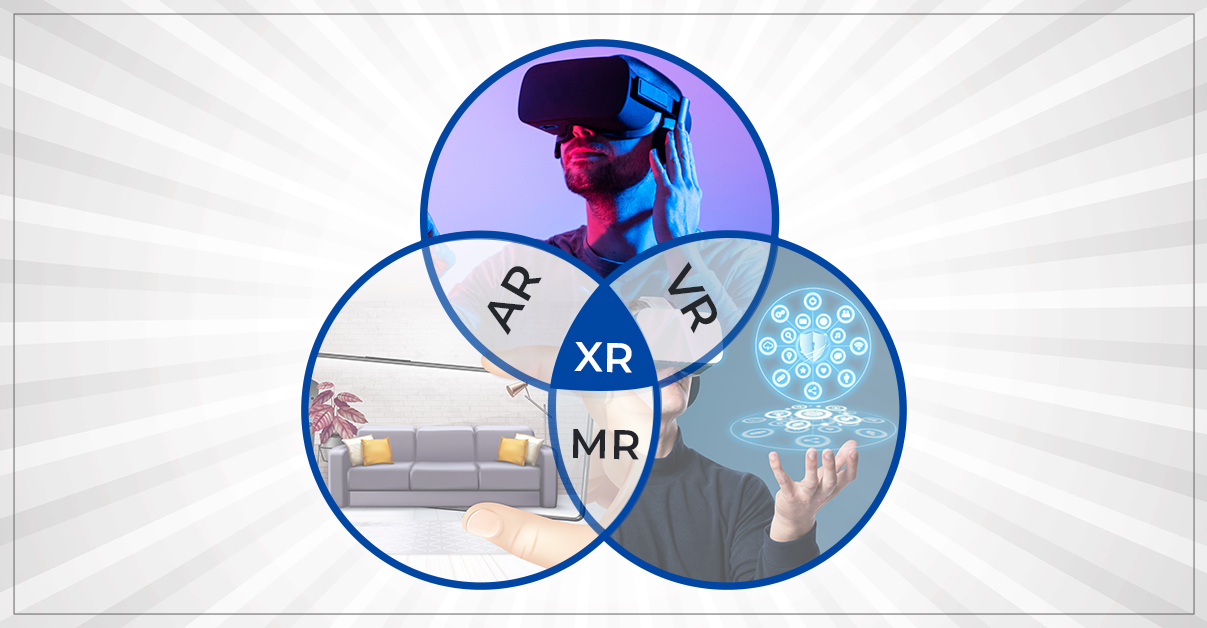
Augmented reality (AR), virtual reality (VR), and mixed reality (MR) are redefining entertainment, education, training, and even remote work. Apple Vision Pro and Meta Quest are major players, with enterprises beginning to adopt XR seriously.

7. 5G and Next-Gen Connectivity

Ultra-low latency and high-speed internet through 5G (and eventually 6G) is enabling smart cities, IoT, real-time gaming, autonomous drones, and large-scale sensor networks.

8. Internet of Things (IoT)

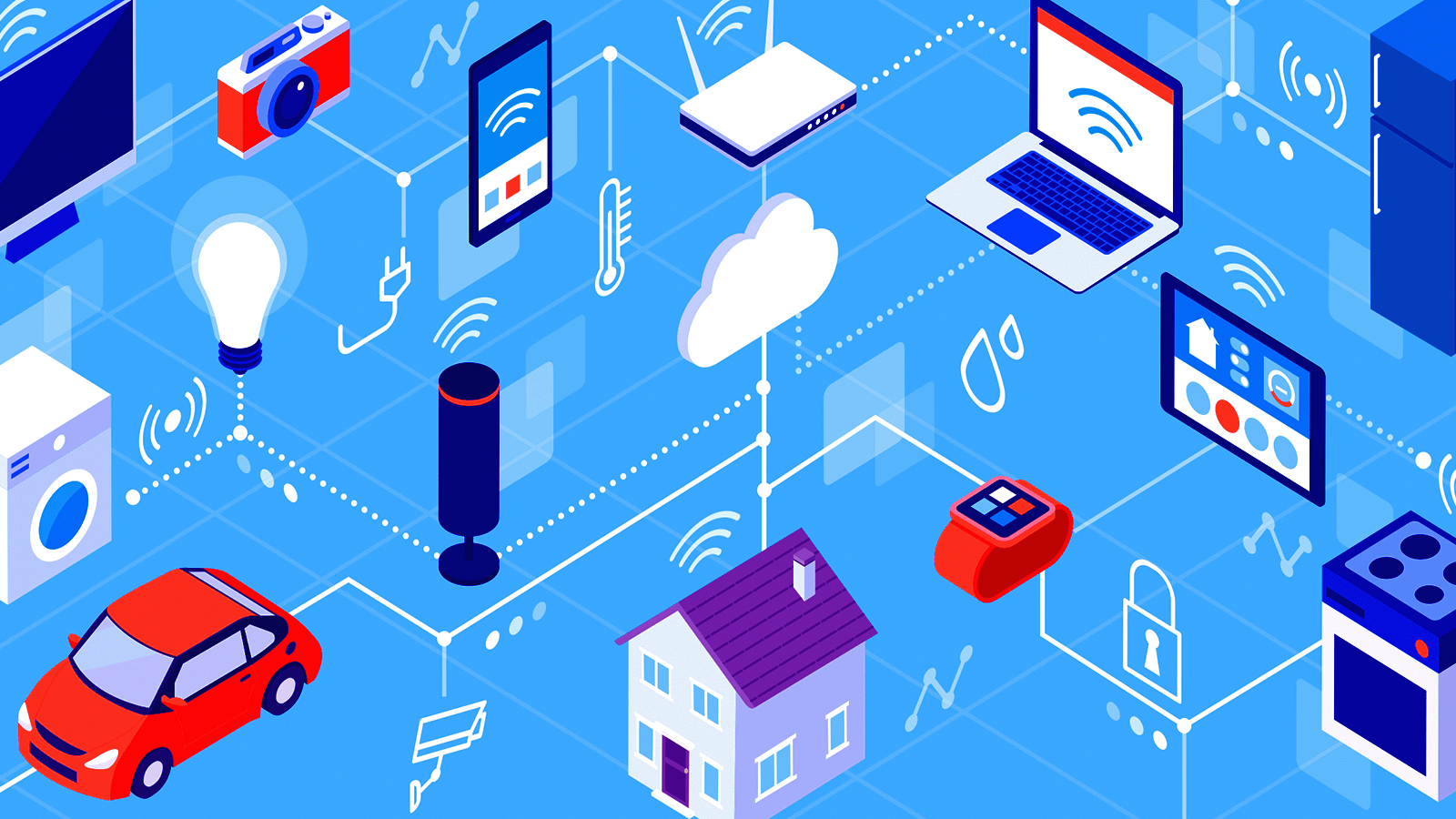
Billions of connected devices—from smart thermostats to industrial machinery—are creating real-time digital mirrors of the physical world. IoT fuels predictive maintenance, smart agriculture, and real-time logistics.

9. Edge Computing

As IoT grows, edge computing processes data closer to the source (on the “edge” of the network) to reduce latency and bandwidth costs. Essential for self-driving cars, industrial automation, and real-time analytics.

10. Biotechnology & Genomics

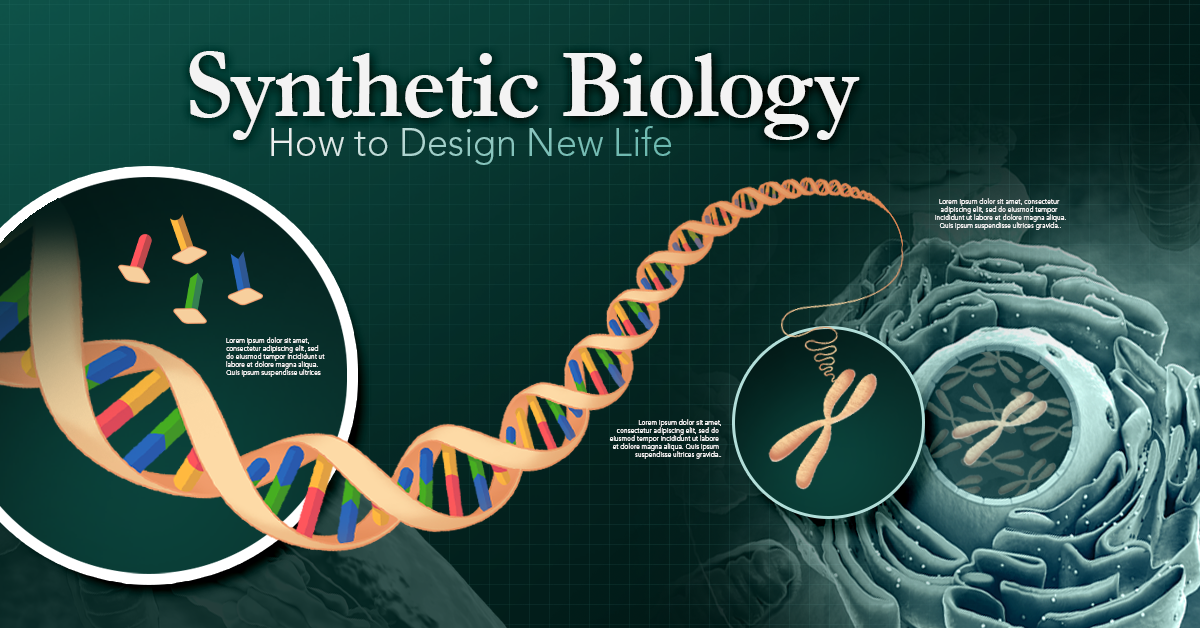
CRISPR, gene editing, mRNA vaccines, and synthetic biology are transforming healthcare, agriculture, and even manufacturing. The biology revolution is catching up with the digital one.

11. Neurotechnology & Brain-Computer Interfaces (BCI)

Neural implants, wearable EEGs, and non-invasive interfaces like those developed by Neuralink and Synchron aim to bridge minds and machines—enabling new treatments, control systems, and potentially thought-based communication.

12. Renewable Energy & Storage

Solar, wind, and battery technology are reaching tipping points in cost and efficiency. Innovations in grid management and materials science (e.g., perovskites) are helping scale clean energy rapidly.

13. Climate Tech & Carbon Removal

Carbon capture, regenerative agriculture, direct air capture, and circular economy startups are aiming to mitigate climate change while creating trillion-dollar opportunities.

14. Autonomous Vehicles & Drones

Self-driving cars, delivery drones, and autonomous ships are changing transport and logistics. AI, sensors, edge computing, and regulatory frameworks play critical roles here.

15. Additive Manufacturing (3D Printing)

Used in aerospace, medicine, housing, and even food, 3D printing enables hyper-customization, decentralized manufacturing, and on-demand production.

16. Digital Twins

A digital replica of a physical object or system, digital twins are used to simulate, monitor, and optimize everything from factories to cities to humans.

17. Robotics

Modern robots are becoming more agile, adaptive, and collaborative. Boston Dynamics' humanoids or warehouse bots from companies like Locus Robotics are revolutionizing labor-intensive industries.

18. Cybersecurity and Zero-Trust Architectures

As systems become more interconnected, new frameworks for authentication, encryption, and secure access are critical. AI-powered threat detection and quantum-safe encryption are key focus areas.

19. Synthetic Media & Generative Content

AI-generated art, music, videos, voices (deepfakes), and 3D assets are transforming content creation and raising ethical concerns around authenticity and misinformation.

20. Space Tech

Satellite internet (Starlink), space tourism (Blue Origin, SpaceX), and asteroid mining are no longer science fiction. Space is now a geopolitical and commercial frontier.


🔄 The Power of Intersection: Where the Future Emerges

While each of these technologies is powerful on its own, it’s their convergence that is birthing entirely new industries. Let’s examine some potent intersection points:


🧠 AI + Biotech = Intelligent Drug Discovery

Startups like Insilico Medicine or Recursion use AI to model biological systems and discover molecules faster and cheaper than traditional pharma. AI dramatically reduces the time and cost of clinical trials.

New Industries:

  • Predictive healthcare platforms

  • Personalized medicine firms

  • AI-powered gene editing services


📡 5G + IoT + Edge = Hyperconnected Smart Environments

Imagine smart farms that monitor soil, water, and crops in real time—or factories that self-correct before breaking down.

New Companies:

  • Autonomous industrial infrastructure managers

  • Real-time agriculture-as-a-service platforms

  • Smart city operating systems


🌍 Blockchain + Climate Tech = Carbon Markets 2.0

Decentralized carbon credits with transparent, tamper-proof verification are disrupting traditional carbon offset schemes.

New Models:

  • On-chain regenerative farming protocols

  • Global environmental DAOs

  • Carbon-credit NFT marketplaces


🎓 XR + AI + Web3 = Metaverse Education

AI tutors, VR campuses, and credentialing on blockchain enable a new form of immersive, peer-to-peer learning.

New Startups:

  • Decentralized universities

  • AI-powered immersive tutors

  • Metaverse-native workforce training


🚘 Autonomous Vehicles + Digital Twins + Edge Computing

Simulated environments help test millions of driving scenarios. Digital twins of roads, cities, and vehicles enable real-time optimization and safer navigation.

Emerging Companies:

  • Infrastructure-aware autonomous mobility firms

  • Real-time fleet optimization services

  • Virtual regulators (for sim environments)


💡 Quantum Computing + Cybersecurity

Quantum computers threaten current encryption. This gives rise to post-quantum cryptography and hybrid security layers.

Startups to Watch:

  • Quantum-safe cloud providers

  • Crypto wallet companies with quantum-proof keys

  • Zero-trust quantum security systems


đŸ§Ŧ BCI + Generative AI

This will be the interface revolution. Think-to-text, thought-controlled music composition, or even brain-guided game development.

Potential Ventures:

  • Brain-controlled design platforms

  • Mental health monitoring tools using brainwave-AI integration

  • BCI-driven creator platforms


🏭 3D Printing + AI + Digital Twins

Factories that simulate, then print. Hyper-customized, localized manufacturing.

New Businesses:

  • AI-first microfactories

  • Personal product designers with 3D printing APIs

  • Print-on-demand prosthetics, shoes, homes


🚀 What Comes Next: Founding the Future

Next-Gen Unicorns Will Be…

  • AI-native healthcare platforms (predictive diagnostics, mental health coaching, real-time biofeedback)

  • Web3-enabled climate marketplaces (transparent ESG tracking and crediting)

  • Neuro-enhancement platforms (BCI + neurofeedback + productivity tools)

  • Decentralized knowledge networks (Vidya-style collaborative education platforms with AI mentors)

  • AIxCrypto synthetic economic systems (game economies that mirror real economies with value)


🧭 Final Thoughts: The Decade of Fusion

The rest of the 2020s won’t be about isolated tech miracles—but fusion. The magic lies in mixing disciplines, crossing silos, and creating recombinant innovation. We are witnessing the birth of a new industrial age—one where minds, machines, and markets blur. The most successful founders, researchers, and investors will be those who stand at the intersections—and know how to build bridges between them.


Which convergence excites you most? Which one are you building in?
Let’s keep the conversation going—because the future is being prototyped right now.


100 AI + Crypto: Top 10
Tech Startups At The Intersection Of AI And Crypto: Part 1
Tech Startups At The Intersection Of AI And Crypto: Part 2
100 Company Ideas At The Intersection Of AI And Crypto
The Plateau of Plenty: Why VCs Are the Seers of Our Time
Paul Graham’s Timeless Advice for Tech Startups: A Masterclass in Building the Future
Paul Graham, Brad Feld, Me, BBC (2010)
100 Emergent Technologies Of The Recent Decades And Their Intersections
Government Tech: The Next Great Leap in Nation-Building (GovTech)
AI-Era Social Network: The Facebook Killer That Looks Nothing Like Facebook
10 Trends In ClimateTech
Why Thinking Big Is the Safest Bet in the Age of AI and Exponential Technologies
The Collision of Emerging Technologies: Where the Future of Tech Ignites
Unicorns, Elephants, And Plentiful Trillion Dollar Companies
Software Ate the World. Now AI Is Eating Software.
Google vs. Google: The AI Disruption and the Innovator’s Dilemma

Multi-Disciplinary Approaches Will Win the Future
The $50 Trillion Unlock: Why GovTech, Not the BRI, Will Transform the Global South


2020 ⤕ा ā¤Ļā¤ļ⤕ ⤔⤰ ⤤⤕⤍ी⤕ी ⤏ंā¤—ā¤Ž: ā¤Ē्ā¤°ā¤Žु⤖ ⤤⤕⤍ी⤕ों ⤔⤰ ⤉⤍⤕े ā¤Žि⤞⤍ ⤏े ⤜⤍्ā¤Ž ⤞े⤤े ā¤¨ā¤ ⤉ā¤Ļ्⤝ो⤗


2020 ⤕ा ā¤Ļā¤ļ⤕ ⤕ेā¤ĩ⤞ ⤍⤈ ⤤⤕⤍ी⤕ों ⤕ा ā¤¨ā¤šीं, ā¤Ŧ⤞्⤕ि ⤉⤍⤕े ⤏ंā¤—ā¤Ž ⤕ा ā¤šै। ⤅ā¤Ŧ ⤍ā¤ĩा⤚ा⤰ ⤕ि⤏ी ā¤ā¤• ⤤⤕⤍ी⤕ ⤏े ā¤¨ā¤šीं, ā¤Ŧ⤞्⤕ि ā¤Ļो ⤝ा ⤅⤧ि⤕ ⤤⤕⤍ी⤕ों ⤕े ⤆ā¤Ē⤏ ā¤Žें ā¤Žि⤞⤍े ⤏े ā¤šो⤤ा ā¤šै। ⤜ā¤Ŧ ⤕ृ⤤्⤰िā¤Ž ā¤Ŧुā¤Ļ्⤧िā¤Žā¤¤्⤤ा ⤜ैā¤ĩ-ā¤Ē्⤰ौā¤Ļ्⤝ो⤗ि⤕ी ⤏े ā¤Žि⤞⤤ी ā¤šै, ⤝ा ā¤Ŧ्⤞ॉā¤•ā¤šे⤍ ⤜⤞ā¤ĩा⤝ु ⤤⤕⤍ी⤕ ⤏े ⤜ुā¤Ą़⤤ा ā¤šै — ⤤⤭ी ⤅⤏⤞ी ⤕्⤰ां⤤ि ā¤šो⤤ी ā¤šै। ⤇⤏ ā¤Ŧ्⤞ॉ⤗ ā¤Žें ā¤šā¤Ž ⤉⤍ 10–20 ā¤Ē्ā¤°ā¤Žु⤖ ⤤⤕⤍ी⤕ों ⤕ा ā¤ĩिā¤ļ्⤞े⤎⤪ ⤕⤰ें⤗े ⤜ो ⤇⤏ ā¤Ļā¤ļ⤕ ⤕ो ā¤Ē⤰ि⤭ा⤎ि⤤ ⤕⤰ ā¤°ā¤šी ā¤šैं, ⤔⤰ ā¤Ģि⤰ ⤜ा⤍ें⤗े ⤕ि ⤇⤍⤕े ⤆ā¤Ē⤏ी ā¤Žे⤞ ⤏े ⤕ौ⤍-⤏े ā¤¨ā¤ ⤉ā¤Ļ्⤝ो⤗ ⤔⤰ ⤏्⤟ा⤰्ā¤Ÿā¤…ā¤Ē ⤜⤍्ā¤Ž ⤞े ⤏⤕⤤े ā¤šैं।


🔧 2020 ⤕े ā¤Ļā¤ļ⤕ ⤕ी 20 ⤏ā¤Ŧ⤏े ā¤Žā¤šā¤¤्ā¤ĩā¤Ēू⤰्⤪ ⤤⤕⤍ी⤕ें

1. ⤕ृ⤤्⤰िā¤Ž ā¤Ŧुā¤Ļ्⤧िā¤Žā¤¤्⤤ा (AI)

AI ā¤†ā¤œ ā¤šā¤° ⤉ā¤Ļ्⤝ो⤗ ⤕ी ⤍ींā¤ĩ ā¤Ŧ⤍ ⤚ु⤕ी ā¤šै—⤚ाā¤šे ā¤ĩā¤š ⤏्ā¤ĩा⤏्ā¤Ĩ्⤝ ā¤šो, ā¤ĩि⤤्⤤ ā¤šो, ⤞ॉ⤜ि⤏्⤟ि⤕्⤏ ā¤šो ⤝ा ā¤ļि⤕्⤎ा। ChatGPT ⤜ै⤏े ā¤Žॉā¤Ąā¤˛ ā¤Ē्⤰ा⤕ृ⤤ि⤕ ⤭ा⤎ा ā¤¸ā¤Žā¤ā¤¨े ⤔⤰ ⤏ंā¤ĩाā¤Ļ ⤕⤰⤍े ā¤Žें ⤕्⤰ां⤤ि ⤞ा ā¤°ā¤šे ā¤šैं।

2. ā¤Žā¤ļी⤍ ⤞⤰्⤍िं⤗ ⤔⤰ ā¤Ąीā¤Ē ⤞⤰्⤍िं⤗

ā¤Ąे⤟ा ⤏े ⤏ी⤖⤍े ⤕ी ⤕्ā¤ˇā¤Žā¤¤ा ā¤ĩा⤞ी ⤝े ⤤⤕⤍ी⤕ें ⤍⤈ ā¤Ļā¤ĩा⤓ं ⤕ी ⤖ो⤜, ⤏िā¤Ģा⤰िā¤ļ ā¤Ē्⤰⤪ा⤞ि⤝ाँ ⤔⤰ ⤏्ā¤ĩ⤚ा⤞ि⤤ ⤍ि⤰्⤪⤝ ā¤Ē्⤰⤪ा⤞ी ā¤Ŧ⤍ा ā¤°ā¤šी ā¤šैं।

3. ⤕्ā¤ĩांā¤Ÿā¤Ž ⤕ंā¤Ē्⤝ू⤟िं⤗

ā¤¯ā¤š ⤕ंā¤Ē्⤝ू⤟िं⤗ ⤕ा ⤭ā¤ĩि⤎्⤝ ā¤šै—⤅⤭ी ā¤ļु⤰ु⤆⤤ी ⤅ā¤ĩ⤏्ā¤Ĩा ā¤Žें ā¤šै ⤞े⤕ि⤍ ⤕ु⤛ ā¤¸ā¤Žā¤¸्⤝ा⤓ं ⤕ो ā¤šā¤˛ ⤕⤰⤍े ā¤Žें ā¤Ēा⤰ंā¤Ē⤰ि⤕ ⤕ंā¤Ē्⤝ू⤟⤰ों ⤏े ⤞ा⤖ों ⤗ु⤍ा ⤤े⤜ ā¤šो ⤏⤕⤤ी ā¤šै।

4. ā¤Ŧ्⤞ॉā¤•ā¤šे⤍ ⤔⤰ ā¤Ąी⤏ें⤟्⤰⤞ाā¤‡ā¤œ़्ā¤Ą ⤞े⤜⤰ ⤟े⤕्⤍ो⤞ॉ⤜ी (DLT)

⤕्⤰िā¤Ē्⤟ो⤕⤰ें⤏ी ⤏े ⤆⤗े ā¤Ŧā¤ĸ़⤤े ā¤šुā¤, ā¤Ŧ्⤞ॉā¤•ā¤šे⤍ ⤕ा ⤉ā¤Ē⤝ो⤗ ⤅ā¤Ŧ ⤏ā¤Ē्⤞ा⤈ ⤚े⤍, ā¤Ēā¤šā¤šा⤍, ā¤Žā¤¤ā¤Ļा⤍ ā¤Ē्⤰⤪ा⤞ी, ⤔⤰ ā¤Ēा⤰ā¤Ļ⤰्ā¤ļि⤤ा ā¤Ŧā¤ĸ़ा⤍े ⤕े ⤞िā¤ ā¤šो ā¤°ā¤šा ā¤šै।

5. ā¤ĩेā¤Ŧ3

ā¤ā¤• ā¤ĩि⤕ेंā¤Ļ्⤰ी⤕ृ⤤ ⤇ं⤟⤰⤍े⤟—ā¤œā¤šां ⤐ā¤Ē्⤏, ⤏ंā¤Ē⤤्⤤ि ⤔⤰ ā¤Ēā¤šā¤šा⤍ ⤉ā¤Ē⤝ो⤗⤕⤰्⤤ा⤓ं ⤕े ⤏्ā¤ĩाā¤Žि⤤्ā¤ĩ ā¤Žें ā¤šो⤤ी ā¤šै। ā¤¯ā¤š ā¤ā¤• ā¤Ē्⤰⤝ो⤗ा⤤्ā¤Žā¤• ⤞े⤕ि⤍ ⤤े⤜ी ⤏े ā¤Ŧā¤ĸ़⤤ी ā¤Ļु⤍ि⤝ा ā¤šै।

6. ā¤ā¤•्⤏⤟ेंā¤Ąेā¤Ą ⤰ि⤝⤞ि⤟ी (XR): AR/VR/MR

ā¤ĩा⤏्⤤ā¤ĩि⤕ ⤔⤰ ⤆⤭ा⤏ी ā¤Ļु⤍ि⤝ा ⤕े ā¤Žे⤞ ⤏े ā¤ļि⤕्⤎ा, ā¤Žā¤¨ो⤰ं⤜⤍ ⤔⤰ ⤕ा⤰्⤝⤏्ā¤Ĩ⤞ ā¤Žें ⤍⤈ ⤏ं⤭ाā¤ĩ⤍ाā¤ँ ⤖ु⤞ ā¤°ā¤šी ā¤šैं।

7. 5G ⤔⤰ ⤅⤗⤞ी ā¤Ēीā¤ĸ़ी ⤕ी ⤕⤍े⤕्⤟िā¤ĩि⤟ी

⤅⤞्⤟्⤰ा-ā¤Ģा⤏्⤟ ⤇ं⤟⤰⤍े⤟, IoT, ⤗ेā¤Žिं⤗, ⤔⤰ ⤏्ā¤Žा⤰्⤟ ā¤ļā¤šā¤°ों ⤕े ⤞िā¤ ⤰ीā¤ĸ़ ⤕ी ā¤šā¤Ą्ā¤Ąी ā¤Ŧ⤍ ā¤°ā¤šा ā¤šै।

8. ⤇ं⤟⤰⤍े⤟ ⤑ā¤Ģ ā¤Ĩिं⤗्⤏ (IoT)

ā¤šā¤° ā¤ĩ⤏्⤤ु—ā¤Ģ्⤰ि⤜ ⤏े ⤞े⤕⤰ ā¤Ģै⤕्⤟्⤰ी ā¤Žā¤ļी⤍ ⤤⤕—ā¤Ąे⤟ा ⤉⤤्ā¤Ē⤍्⤍ ⤕⤰ ā¤°ā¤šी ā¤šै। ⤇⤏⤏े ⤭ā¤ĩि⤎्⤝ā¤ĩा⤪ी ⤆⤧ा⤰ि⤤ ⤰⤖⤰⤖ाā¤ĩ, ⤏्ā¤Žा⤰्⤟ ⤖े⤤ी ⤔⤰ ⤞ॉ⤜ि⤏्⤟ि⤕्⤏ ⤏ं⤭ā¤ĩ ā¤šु⤆ ā¤šै।

9. ā¤ā¤œ ⤕ंā¤Ē्⤝ू⤟िं⤗

ā¤Ąे⤟ा ⤕ो ⤉⤏⤕े ⤏्⤰ो⤤ ⤕े ā¤Ēा⤏ ā¤šी ā¤Ē्⤰ो⤏े⤏ ⤕⤰⤍ा, ⤜ि⤏⤏े ā¤Ļे⤰ी ⤘⤟े ⤔⤰ ⤗⤤ि ā¤Ŧā¤ĸ़े—ā¤¯ā¤š ⤏्ā¤ĩ⤚ा⤞ि⤤ ā¤ĩाā¤šā¤¨ों ⤔⤰ ⤔ā¤Ļ्⤝ो⤗ि⤕ ā¤Ē्⤰⤪ा⤞ि⤝ों ⤕े ⤞िā¤ ⤆ā¤ĩā¤ļ्⤝⤕ ā¤šै।

10. ⤜ैā¤ĩ ā¤Ē्⤰ौā¤Ļ्⤝ो⤗ि⤕ी ⤔⤰ ⤜ी⤍ोā¤Žि⤕्⤏

CRISPR, mRNA, ⤔⤰ ⤏िंā¤Ĩे⤟ि⤕ ā¤Ŧा⤝ो⤞ॉ⤜ी ⤕ी ā¤Žā¤Ļā¤Ļ ⤏े ⤏्ā¤ĩा⤏्ā¤Ĩ्⤝, ⤕ृ⤎ि ⤔⤰ ⤉⤤्ā¤Ēाā¤Ļ⤍ ā¤Žें ⤕्⤰ां⤤ि ⤆ ā¤°ā¤šी ā¤šै।

11. ⤍्⤝ू⤰ो⤟े⤕्⤍ो⤞ॉ⤜ी ⤔⤰ ā¤Ŧ्⤰े⤍-⤕ंā¤Ē्⤝ू⤟⤰ ⤇ं⤟⤰ā¤Ģे⤏ (BCI)

ā¤Žा⤍ā¤ĩ ā¤Žā¤¸्⤤ि⤎्⤕ ⤕ो ⤕ंā¤Ē्⤝ू⤟⤰ ⤏े ⤜ोā¤Ą़⤍े ⤕ी ā¤Ļिā¤ļा ā¤Žें ā¤Ŧā¤Ą़ी ā¤Ē्⤰⤗⤤ि ā¤šो ā¤°ā¤šी ā¤šै—⤏ो⤚ ⤕े ⤜़⤰िā¤ ⤟े⤕्⤏्⤟ ⤟ा⤇ā¤Ē ⤕⤰⤍ा ⤅ā¤Ŧ ⤕⤞्ā¤Ē⤍ा ā¤¨ā¤šीं ā¤°ā¤šी।

12. ⤍ā¤ĩी⤕⤰⤪ी⤝ ⤊⤰्⤜ा ⤔⤰ ā¤Ŧै⤟⤰ी ⤤⤕⤍ी⤕

⤏ौ⤰ ⤔⤰ ā¤Ēā¤ĩ⤍ ⤊⤰्⤜ा ⤕ी ⤞ा⤗⤤ ⤘⤟ ā¤°ā¤šी ā¤šै, ⤔⤰ ā¤Ŧै⤟⤰ि⤝ों ⤕ी ā¤Ļ⤕्⤎⤤ा ā¤Ŧā¤ĸ़ ā¤°ā¤šी ā¤šै। ⤝े ā¤Ŧā¤Ļ⤞ाā¤ĩ ā¤Ē⤰्⤝ाā¤ĩ⤰⤪ ⤔⤰ ⤅⤰्ā¤Ĩā¤ĩ्⤝ā¤ĩ⤏्ā¤Ĩा ā¤Ļो⤍ों ⤕े ⤞िā¤ ⤕्⤰ां⤤ि⤕ा⤰ी ā¤šैं।

13. ⤜⤞ā¤ĩा⤝ु ⤤⤕⤍ी⤕ ⤔⤰ ⤕ा⤰्ā¤Ŧ⤍ ⤰िā¤Žूā¤ĩ⤞

⤕ा⤰्ā¤Ŧ⤍ ⤕ैā¤Ē्⤚⤰, ⤰ी⤜⤍⤰े⤟िā¤ĩ ā¤Ģा⤰्ā¤Žिं⤗, ⤔⤰ ⤏⤏्⤟े⤍ेā¤Ŧ⤞ ā¤Žā¤Ÿे⤰ि⤝⤞्⤏ ⤕ा ⤉ā¤Ē⤝ो⤗ ā¤Ŧā¤ĸ़ ā¤°ā¤šा ā¤šै। ⤝े ⤤⤕⤍ी⤕ें ⤜⤞ā¤ĩा⤝ु ⤏ंā¤•ā¤Ÿ ⤕ा ā¤ĩ्⤝ाā¤ĩ⤏ा⤝ि⤕ ā¤¸ā¤Žा⤧ा⤍ ā¤Ēेā¤ļ ⤕⤰ ā¤°ā¤šी ā¤šैं।

14. ⤏्ā¤ĩ⤚ा⤞ि⤤ ā¤ĩाā¤šā¤¨ ⤔⤰ ā¤Ą्⤰ो⤍

⤏े⤞्ā¤Ģ-ā¤Ą्⤰ा⤇ā¤ĩिं⤗ ⤕ा⤰ें, ā¤Ąि⤞ीā¤ĩ⤰ी ā¤Ą्⤰ो⤍ ⤔⤰ ā¤‘ā¤Ÿोā¤Žे⤟ेā¤Ą ā¤ļिā¤Ēिं⤗ ⤏ि⤏्ā¤Ÿā¤Ž ā¤Ē⤰िā¤ĩā¤šā¤¨ ⤕ा ⤚ेā¤šā¤°ा ā¤Ŧā¤Ļ⤞ ā¤°ā¤šे ā¤šैं।

15. 3D ā¤Ē्⤰िं⤟िं⤗ (ā¤ā¤Ąि⤟िā¤ĩ ā¤Žै⤍्⤝ुā¤Ģै⤕्⤚⤰िं⤗)

⤑⤍-ā¤Ąिā¤Žांā¤Ą ⤍ि⤰्ā¤Žा⤪ ⤔⤰ ⤕⤏्ā¤Ÿā¤Ž ⤉⤤्ā¤Ēाā¤Ļों ⤕े ⤞िā¤ 3D ā¤Ē्⤰िं⤟िं⤗ ⤕ा ⤉ā¤Ē⤝ो⤗ ⤚ि⤕ि⤤्⤏ा, ⤰⤕्⤎ा, ⤆ā¤ĩा⤏, ⤔⤰ ā¤¯ā¤šां ⤤⤕ ⤕ि ⤭ो⤜⤍ ā¤Žें ⤭ी ā¤šो ā¤°ā¤šा ā¤šै।

16. ā¤Ąि⤜ि⤟⤞ ⤟्ā¤ĩि⤍्⤏

⤕ि⤏ी ā¤ĩ⤏्⤤ु ⤝ा ā¤Ē्⤰⤪ा⤞ी ⤕ी ā¤Ąि⤜ि⤟⤞ ā¤Ē्⤰⤤ि, ⤜ो ⤏िā¤Žु⤞ेā¤ļ⤍ ⤔⤰ ⤰ी⤝⤞-⤟ाā¤‡ā¤Ž ⤍ि⤗⤰ा⤍ी ā¤Žें ā¤Žā¤Ļā¤Ļ ⤕⤰⤤ी ā¤šै—ā¤Ģै⤕्⤟्⤰ी, ā¤ļā¤šā¤° ⤝ा ā¤¯ā¤šां ⤤⤕ ⤕ि ā¤ļ⤰ी⤰ ⤕े ⤞िā¤ ⤭ी।

17. ⤰ोā¤Ŧो⤟ि⤕्⤏

ā¤Žा⤍ā¤ĩ-⤜ै⤏े ⤰ोā¤Ŧो⤟ ⤅ā¤Ŧ ⤅⤧ि⤕ ā¤Ŧुā¤Ļ्⤧िā¤Žा⤍, ā¤Ģु⤰्⤤ी⤞े ⤔⤰ ā¤¸ā¤šā¤¯ो⤗ी ā¤Ŧ⤍ ā¤°ā¤šे ā¤šैं—⤗ोā¤Ļाā¤Ž, ⤍ि⤰्ā¤Žा⤪ ⤔⤰ ā¤Ļे⤖⤭ा⤞ ⤜ै⤏े ⤕्⤎े⤤्⤰ों ā¤Žें।

18. ⤏ा⤇ā¤Ŧ⤰ ⤏ु⤰⤕्⤎ा ⤔⤰ ⤜़ी⤰ो-⤟्⤰⤏्⤟ ⤆⤰्⤕ि⤟े⤕्⤚⤰

⤜ै⤏े-⤜ै⤏े ā¤Ē्⤰⤪ा⤞ि⤝ाँ ⤜ुā¤Ą़⤤ी ā¤šैं, ⤏ु⤰⤕्⤎ा ⤭ी ⤅⤧ि⤕ ⤜⤟ि⤞ ā¤Ŧ⤍⤤ी ⤜ा ā¤°ā¤šी ā¤šै। AI-⤏ं⤚ा⤞ि⤤ ⤖⤤⤰े ⤕ी ā¤Ēā¤šā¤šा⤍ ⤔⤰ ⤕्ā¤ĩांā¤Ÿā¤Ž-⤏ु⤰⤕्⤎ि⤤ ā¤ā¤¨्⤕्⤰िā¤Ē्ā¤ļ⤍ ā¤Žā¤šā¤¤्ā¤ĩā¤Ēू⤰्⤪ ā¤Ŧ⤍ ā¤°ā¤šे ā¤šैं।

19. ⤏िंā¤Ĩे⤟ि⤕ ā¤Žीā¤Ąि⤝ा ⤔⤰ ⤜े⤍⤰े⤟िā¤ĩ ⤕ं⤟ें⤟

AI ⤅ā¤Ŧ ⤚ि⤤्⤰, ⤏ं⤗ी⤤, ⤆ā¤ĩा⤜़ ⤔⤰ ā¤ĩीā¤Ąि⤝ो ⤭ी ā¤Ŧ⤍ा ⤏⤕⤤ा ā¤šै—⤜ि⤏⤏े ⤰⤚⤍ा⤤्ā¤Žā¤•ā¤¤ा ⤔⤰ ⤗⤞⤤ ⤏ू⤚⤍ा ā¤Ļो⤍ों ⤕े ā¤¨ā¤ ⤰ा⤏्⤤े ⤖ु⤞⤤े ā¤šैं।

20. ⤅ं⤤⤰ि⤕्⤎ ⤤⤕⤍ी⤕

SpaceX ⤔⤰ Blue Origin ⤜ै⤏ी ⤕ंā¤Ē⤍ि⤝ाँ ⤅ā¤Ŧ ⤉ā¤Ē⤗्ā¤°ā¤š ⤇ं⤟⤰⤍े⤟, ⤏्ā¤Ēे⤏ ⤟ू⤰ि⤜़्ā¤Ž ⤔⤰ ⤖⤍⤍ ⤜ै⤏ी ⤅ā¤ĩ⤧ा⤰⤪ा⤓ं ⤕ो ⤏ा⤕ा⤰ ⤕⤰ ā¤°ā¤šी ā¤šैं।


🔄 ⤤⤕⤍ी⤕ों ⤕ा ⤏ंā¤—ā¤Ž: ⤜ā¤Ŧ ā¤Ļो ⤝ा ⤅⤧ि⤕ ā¤Žि⤞⤤े ā¤šैं, ⤤ो ⤭ā¤ĩि⤎्⤝ ā¤Ŧ⤍⤤ा ā¤šै

ā¤¯ā¤š ā¤Ļā¤ļ⤕ ⤕ेā¤ĩ⤞ ⤍⤈ ⤤⤕⤍ी⤕ों ⤕ा ā¤¨ā¤šीं ā¤šै—ā¤Ŧ⤞्⤕ि ⤉⤍⤕े ā¤Žे⤞ ⤕ा ā¤šै। ā¤†ā¤‡ā¤ ā¤Ļे⤖ें ⤕ु⤛ ā¤ļ⤕्⤤िā¤ļा⤞ी ā¤Žे⤞:


🧠 AI + ā¤Ŧा⤝ो⤟े⤕ = ⤏्ā¤Žा⤰्⤟ ā¤Ļā¤ĩा ⤖ो⤜

AI ⤅ā¤Ŧ ā¤Ļā¤ĩा ⤖ो⤜ ā¤Žें ā¤Ē्⤰⤝ो⤗ā¤ļा⤞ा⤓ं ⤏े ā¤Ŧेā¤šā¤¤ā¤° ⤏ाā¤Ŧि⤤ ā¤šो ā¤°ā¤šी ā¤šै। ⤇⤏⤏े ⤞ा⤗⤤ ⤔⤰ ā¤¸ā¤Žā¤¯ ā¤Ļो⤍ों ā¤Žें ⤭ा⤰ी ā¤•ā¤Ÿौ⤤ी ā¤šो⤤ी ā¤šै।

⤉ā¤Ļ्⤝ो⤗:

  • ⤭ā¤ĩि⤎्⤝ā¤ĩा⤪ी ⤆⤧ा⤰ि⤤ ⤏्ā¤ĩा⤏्ā¤Ĩ्⤝ ā¤Ļे⤖⤭ा⤞

  • ā¤ĩै⤝⤕्⤤ि⤕ी⤕ृ⤤ ⤚ि⤕ि⤤्⤏ा

  • AI ⤏ं⤚ा⤞ि⤤ ⤜ी⤍ ⤏ंā¤Ēाā¤Ļ⤍ ⤏ेā¤ĩाā¤ं


📡 5G + IoT + ā¤ā¤œ ⤕ंā¤Ē्⤝ू⤟िं⤗ = ⤏्ā¤Žा⤰्⤟ ā¤Ļु⤍ि⤝ा

⤕ि⤏ा⤍ ⤅ā¤Ē⤍े ⤖े⤤ ⤕ो ⤏्ā¤Žा⤰्⤟ā¤Ģो⤍ ⤏े ⤚⤞ा ⤏⤕⤤े ā¤šैं। ā¤Ģै⤕्⤟्⤰ि⤝ाँ ā¤Ŧि⤍ा ⤰ु⤕ाā¤ĩ⤟ ⤕े ⤚⤞ ⤏⤕⤤ी ā¤šैं।

⤏्⤟ा⤰्ā¤Ÿā¤…ā¤Ē:

  • ⤏्ā¤ĩा⤝⤤्⤤ ⤏्ā¤Žा⤰्⤟ ⤇⤍्ā¤Ģ्⤰ा⤏्⤟्⤰⤕्⤚⤰

  • ⤰ी⤝⤞-⤟ाā¤‡ā¤Ž ⤕ृ⤎ि ā¤¸ā¤Žा⤧ा⤍

  • ⤏्ā¤Žा⤰्⤟ ā¤ļā¤šā¤° ⤑ā¤Ē⤰े⤟िं⤗ ⤏ि⤏्ā¤Ÿā¤Ž


🌍 ā¤Ŧ्⤞ॉā¤•ā¤šे⤍ + ⤜⤞ā¤ĩा⤝ु ⤤⤕⤍ी⤕ = ⤕ा⤰्ā¤Ŧ⤍ ā¤Ŧा⤜़ा⤰ 2.0

ā¤Ēा⤰ā¤Ļ⤰्ā¤ļी ⤔⤰ ⤭⤰ो⤏ेā¤Žंā¤Ļ ⤕ा⤰्ā¤Ŧ⤍ ⤕्⤰ेā¤Ąि⤟ ⤏ि⤏्ā¤Ÿā¤Ž ⤤ै⤝ा⤰ ā¤šो ā¤°ā¤šे ā¤šैं।

ā¤¨ā¤ ā¤Žॉā¤Ąā¤˛:

  • ⤑⤍-⤚े⤍ ⤖े⤤ी ā¤Ē्⤰ो⤟ो⤕ॉ⤞

  • ā¤Ē⤰्⤝ाā¤ĩ⤰⤪ी⤝ DAO

  • ⤕ा⤰्ā¤Ŧ⤍ NFT ā¤Ŧा⤜़ा⤰


🎓 XR + AI + Web3 = ā¤Žे⤟ाā¤ĩ⤰्⤏ ā¤ļि⤕्⤎ा

AI ā¤ļि⤕्⤎⤕, VR ⤕⤕्⤎ाā¤ं, ⤔⤰ ā¤Ŧ्⤞ॉā¤•ā¤šे⤍ ā¤Ē्ā¤°ā¤Žा⤪ā¤Ē⤤्⤰—ā¤¯ā¤š ā¤šै ⤭ā¤ĩि⤎्⤝ ⤕ी ā¤ļि⤕्⤎ा।

⤏्⤟ा⤰्ā¤Ÿā¤…ā¤Ē्⤏:

  • ā¤ĩि⤕ेंā¤Ļ्⤰ी⤕ृ⤤ ā¤ĩिā¤ļ्ā¤ĩā¤ĩिā¤Ļ्⤝ा⤞⤝

  • ā¤Žे⤟ाā¤ĩ⤰्⤏ ā¤Ē्⤰ā¤ļि⤕्⤎⤕

  • ā¤Ŧ्⤞ॉā¤•ā¤šे⤍-⤆⤧ा⤰ि⤤ ⤏्⤕ि⤞ ā¤Ē्ā¤°ā¤Žा⤪⤍


🚘 ⤏्ā¤ĩ⤚ा⤞ि⤤ ā¤ĩाā¤šā¤¨ + ā¤Ąि⤜ि⤟⤞ ⤟्ā¤ĩि⤍्⤏ + ā¤ā¤œ ⤕ंā¤Ē्⤝ू⤟िं⤗

⤰ा⤏्⤤ों, ā¤ĩाā¤šā¤¨ों ⤔⤰ ā¤ļā¤šā¤°ों ⤕े ā¤Ąि⤜ि⤟⤞ ⤟्ā¤ĩि⤍्⤏ ⤕ी ā¤Žā¤Ļā¤Ļ ⤏े AI ā¤Ą्⤰ा⤇ā¤ĩिं⤗ ⤔⤰ ⤭ी ⤏ु⤰⤕्⤎ि⤤ ā¤Ŧ⤍ ā¤°ā¤šी ā¤šै।

⤏ं⤭ाā¤ĩ⤍ाā¤ं:

  • ⤇⤍्ā¤Ģ्⤰ा⤏्⤟्⤰⤕्⤚⤰-⤜्ā¤žा⤍ी ā¤ĩाā¤šā¤¨

  • ā¤ĩ⤰्⤚ु⤅⤞ ⤍ि⤝ाā¤Žā¤•

  • ⤰ी⤝⤞-⤟ाā¤‡ā¤Ž ā¤ĩाā¤šā¤¨ ⤅⤍ु⤕ू⤞⤍


💡 ⤕्ā¤ĩांā¤Ÿā¤Ž ⤕ंā¤Ē्⤝ू⤟िं⤗ + ⤏ा⤇ā¤Ŧ⤰ ⤏ु⤰⤕्⤎ा

⤕्ā¤ĩांā¤Ÿā¤Ž ⤕ंā¤Ē्⤝ू⤟िं⤗ ⤏े ā¤ĩ⤰्ā¤¤ā¤Žा⤍ ā¤ā¤¨्⤕्⤰िā¤Ē्ā¤ļ⤍ ⤖⤤⤰े ā¤Žें ā¤šै—⤇⤏⤏े ā¤¨ā¤ ⤏ा⤇ā¤Ŧ⤰ ⤏ु⤰⤕्⤎ा ⤉ā¤Ļ्⤝ो⤗ ⤉⤭⤰ें⤗े।

ā¤¨ā¤ ⤖ि⤞ाā¤Ą़ी:

  • ⤕्ā¤ĩांā¤Ÿā¤Ž-⤏ु⤰⤕्⤎ि⤤ ⤕्⤞ाā¤‰ā¤Ą

  • ⤜़ी⤰ो-⤟्⤰⤏्⤟ ⤍े⤟ā¤ĩ⤰्⤕ ⤏ु⤰⤕्⤎ा

  • ⤕्⤰िā¤Ē्⤟ो ā¤ĩॉ⤞े⤟्⤏ ⤜ो ⤕्ā¤ĩांā¤Ÿā¤Ž-ā¤Ē्⤰ूā¤Ģ ā¤šों


đŸ§Ŧ BCI + ⤜े⤍⤰े⤟िā¤ĩ AI

⤏ो⤚ो ⤔⤰ ⤟े⤕्⤏्⤟ ⤟ा⤇ā¤Ē ā¤šो ⤜ाā¤। ⤏ं⤗ी⤤ ⤏ि⤰्ā¤Ģ ⤏ो⤚⤍े ⤏े ā¤Ŧ⤍े। ā¤¯ā¤š ⤅ā¤Ŧ ā¤ĩि⤜्ā¤žा⤍-⤕ā¤Ĩा ā¤¨ā¤šीं ā¤šै।

⤉ā¤Ļ्⤝ो⤗:

  • ⤏ो⤚ ⤆⤧ा⤰ि⤤ ā¤Ąि⤜़ा⤇⤍ ⤟ू⤞्⤏

  • ā¤Žा⤍⤏ि⤕ ⤏्ā¤ĩा⤏्ā¤Ĩ्⤝ ā¤Žॉ⤍ि⤟⤰िं⤗

  • ā¤Ŧ्⤰े⤍-⤕ं⤟्⤰ो⤞्ā¤Ą ⤗ेā¤Žिं⤗


🏭 3D ā¤Ē्⤰िं⤟िं⤗ + AI + ā¤Ąि⤜ि⤟⤞ ⤟्ā¤ĩि⤍्⤏

⤉⤤्ā¤Ēाā¤Ļ⤍ ⤏े ā¤Ēā¤šā¤˛े ā¤Ąि⤜ि⤟⤞ी ā¤Ē⤰ी⤕्⤎⤪ ⤕⤰ें। ā¤Ģि⤰ ⤉⤏े ⤅ā¤Ē⤍े ā¤Ēā¤Ą़ो⤏ ā¤Žें ā¤Ē्⤰िं⤟ ⤕⤰ें।

ā¤Ŧि⤜⤍े⤏ ā¤†ā¤‡ā¤Ąि⤝ा⤜़:

  • AI ⤏ं⤚ा⤞ि⤤ ⤏ू⤕्⤎्ā¤Ž ā¤Ģै⤕्⤟्⤰ि⤝ाँ

  • ā¤ĩ्⤝⤕्⤤ि⤗⤤ ⤉⤤्ā¤Ēाā¤Ļ ā¤Ē्⤰िं⤟िं⤗

  • ⤑⤍-ā¤Ąिā¤Žांā¤Ą ⤕ृ⤤्⤰िā¤Ž ⤅ं⤗


🚀 ⤆⤗े ⤕्⤝ा? ⤕ौ⤍-⤏े ⤉ā¤Ļ्⤝ो⤗ ā¤Ŧ⤍ें⤗े?

⤭ā¤ĩि⤎्⤝ ⤕े ⤝ू⤍ि⤕ॉ⤰्⤍ ā¤šों⤗े:

  • AI ⤆⤧ा⤰ि⤤ ⤏्ā¤ĩा⤏्ā¤Ĩ्⤝ ā¤Ē्⤞े⤟ā¤Ģॉ⤰्ā¤Ž

  • Web3 ⤜⤞ā¤ĩा⤝ु ā¤Ŧा⤜़ा⤰

  • ⤍्⤝ू⤰ो-ā¤ā¤¨्ā¤šांā¤¸ā¤Žें⤟ ⤟ू⤞्⤏

  • AI ā¤ļि⤕्⤎⤕ ā¤ĩा⤞े ā¤ĩि⤕ेंā¤Ļ्⤰ी⤕ृ⤤ ⤜्ā¤žा⤍ ā¤Žं⤚

  • AI + ⤕्⤰िā¤Ē्⤟ो ⤆⤧ा⤰ि⤤ ⤅⤰्ā¤Ĩā¤ĩ्⤝ā¤ĩ⤏्ā¤Ĩाā¤ं


🧭 ⤍ि⤎्⤕⤰्⤎: ā¤¯ā¤š ā¤Ļā¤ļ⤕ ā¤šै ⤏ंā¤—ā¤Ž ⤕ा

2020 ⤕ा ā¤Ļā¤ļ⤕ ⤤⤕⤍ी⤕ों ⤕ी ā¤ļाā¤Ļी ⤕ा ⤝ु⤗ ā¤šै। ⤍ā¤ĩा⤚ा⤰ ⤅ā¤Ŧ ⤅⤕े⤞े ā¤¨ā¤šीं ā¤šो⤤ा—ā¤Ŧ⤞्⤕ि ā¤Žिā¤ļ्⤰⤪ ⤏े ā¤šो⤤ा ā¤šै। ⤜ो ⤞ो⤗ ⤇⤍ ⤚ौ⤰ाā¤šों ā¤Ē⤰ ā¤–ā¤Ą़े ā¤šैं—AI ⤔⤰ ā¤Ŧा⤝ो⤟े⤕, XR ⤔⤰ ā¤ļि⤕्⤎ा, ⤝ा ā¤Ŧ्⤞ॉā¤•ā¤šे⤍ ⤔⤰ ⤜⤞ā¤ĩा⤝ु—ā¤ĩā¤šी ⤭ā¤ĩि⤎्⤝ ā¤Ŧ⤍ाā¤ं⤗े।


⤆ā¤Ē⤕े ⤅⤍ु⤏ा⤰ ⤕ौ⤍-⤏ी ⤤⤕⤍ी⤕ी ⤜ोā¤Ą़ी ⤏ā¤Ŧ⤏े ⤅⤧ि⤕ ⤰ोā¤Žांā¤šā¤• ā¤šै?
⤟िā¤Ē्ā¤Ē⤪ि⤝ों ā¤Žें ā¤Ŧ⤤ाā¤ं—⤕्⤝ों⤕ि ⤭ā¤ĩि⤎्⤝ ⤅⤭ी ā¤Ŧ⤍ा⤝ा ⤜ा ā¤°ā¤šा ā¤šै।


Thursday, May 29, 2025

The Collision of Emerging Technologies: Where the Future of Tech Ignites


The Collision of Emerging Technologies: Where the Future of Tech Ignites

The tech world is buzzing with breakthroughs—AI, quantum computing, biotechnology, blockchain, and more. Each of these fields is transformative on its own, but the real magic happens at their intersections. When emerging technologies collide, they don’t just add up; they multiply, creating exponential possibilities that redefine industries, societies, and even what it means to be human. Let’s explore why these intersections are the epicenter of tech’s most exciting developments and highlight a few collisions that could shape the future.
Why Intersections Matter
Emerging technologies are like tectonic plates: powerful on their own, but when they collide, they create seismic shifts. These intersections amplify strengths, mitigate weaknesses, and unlock use cases that single technologies can’t achieve alone. For example, AI’s data-crunching prowess paired with biotechnology’s precision can accelerate drug discovery. Blockchain’s security combined with IoT’s connectivity can revolutionize supply chains. The synergy comes from complementary capabilities—where one technology’s output is another’s input, creating a feedback loop of innovation.
This isn’t just theoretical. History shows that breakthroughs often emerge at the crossroads. The internet itself was born from the convergence of computing and telecommunications. Smartphones combined computing, wireless communication, and touch interfaces. Today’s emerging technologies are more complex and interconnected, making their collisions even more potent.
Key Intersections to Watch
Let’s dive into some of the most exciting intersections where emerging technologies are colliding—and what they could mean for the future.
1. AI + Quantum Computing: Supercharged Intelligence
Artificial intelligence thrives on processing massive datasets, but current hardware limits its speed and efficiency. Enter quantum computing, which promises to solve complex problems exponentially faster than classical computers. When AI algorithms run on quantum systems, we could see breakthroughs in fields like cryptography, materials science, and climate modeling.
For instance, quantum-enhanced AI could optimize energy grids by predicting demand and supply fluctuations with unprecedented accuracy. It could also crack previously unsolvable problems in chemistry, designing new materials for sustainable energy. Companies like IBM and Google are already exploring this intersection, with quantum AI labs pushing the boundaries of what’s computationally possible.
2. Biotechnology + AI: Redefining Healthcare
AI’s ability to analyze vast datasets is transforming biotechnology, particularly in healthcare. Machine learning models can sift through genomic data to identify disease markers or predict patient outcomes. When paired with CRISPR and other gene-editing tools, AI could enable hyper-personalized medicine, tailoring treatments to an individual’s DNA.
This intersection is already bearing fruit. AI-driven platforms like DeepMind have predicted protein structures with stunning accuracy, a decades-old problem in biology. Meanwhile, biotech startups are using AI to streamline clinical trials, cutting costs and time-to-market for new drugs. The result? A future where diseases like cancer or Alzheimer’s are not just treatable but preventable.
3. Blockchain + IoT: Trust in a Connected World
The Internet of Things (IoT) connects billions of devices, from smart thermostats to autonomous vehicles. But this hyper-connected world faces security and trust issues. Blockchain, with its decentralized and tamper-proof ledger, offers a solution. By integrating blockchain with IoT, we can create secure, transparent networks for everything from supply chains to smart cities.
Imagine a supply chain where IoT sensors track a product’s journey from factory to shelf, and blockchain ensures every step is verifiable. This could eliminate counterfeiting in industries like pharmaceuticals or luxury goods. Projects like IBM’s Food Trust are already using this combo to trace food origins, ensuring safety and sustainability.
4. Augmented Reality (AR) + AI: Immersive Intelligence
AR overlays digital information onto the physical world, but it’s AI that makes those overlays smart. By combining AR with AI, we get context-aware, immersive experiences that adapt in real time. Think of surgeons using AR glasses powered by AI to visualize a patient’s anatomy during surgery, with real-time guidance based on medical data.
This intersection is also transforming education and gaming. AI-driven AR can create personalized learning environments, adapting to a student’s pace and style. In gaming, it could deliver hyper-realistic worlds that respond intelligently to player actions. Companies like Meta and startups like Niantic are betting big on this convergence.
5. Synthetic Biology + Nanotechnology: Engineering Life at the Atomic Level
Synthetic biology redesigns organisms for specific purposes, like producing biofuels or fighting disease. Nanotechnology manipulates matter at the atomic scale. Together, they could create microscopic machines that operate inside living systems. Imagine nanobots programmed to repair damaged cells or deliver drugs with pinpoint accuracy, guided by synthetic biology’s engineered organisms.
This intersection is still in its infancy, but early experiments—like nanobots targeting cancer cells—show promise. The potential is staggering: from curing intractable diseases to creating self-healing materials, this collision could redefine what’s possible at the smallest scales.
Challenges and Opportunities
While these intersections are thrilling, they’re not without hurdles. Combining technologies often means combining complexities—technical, ethical, and regulatory. For example, AI and biotech raise questions about data privacy and genetic ethics. Blockchain and IoT must overcome scalability and energy consumption issues. Interdisciplinary collaboration is also a challenge; experts in AI may not speak the language of quantum physics or synthetic biology.
Yet these challenges are also opportunities. Solving them requires diverse teams, new frameworks, and bold investment. Governments, startups, and tech giants are already pouring resources into these intersections, from DARPA’s biotech programs to Google’s quantum initiatives. The race is on to turn potential into reality.
The Road Ahead
The most exciting things in tech aren’t happening in silos—they’re happening where AI meets quantum, where biotech meets nanotechnology, where blockchain meets IoT. These collisions are sparking innovations that could solve humanity’s biggest challenges, from climate change to disease to economic inequality. They’re also raising profound questions about ethics, equity, and the future of work.
As we stand on the cusp of this new era, one thing is clear: the future belongs to those who can navigate and harness these intersections. Whether you’re a developer, entrepreneur, or curious observer, now’s the time to dive in. The collisions are happening, and the sparks they’re creating will light up the world.