Aging is arguably the root cause of most major diseases. Our cells lose function as we age, allowing various conditions to manifest, which is why most major diseases correlate with age.
Myth 1: This was a “war of choice.” Myth 2: The Joint Comprehensive Plan of Action had moderated Iran and stabilized the Middle East before Trump broke it. Myth 3: Biden extracted America…
I do an annual check on my biology literacy. I read on whoever won the Nobel for medicine. If I can understand what they worked on, I am like, I am good for one more year. :)
Quantum Computing on the Moon: Elon Musk’s Chillingly Brilliant Vision for the Future of Computation
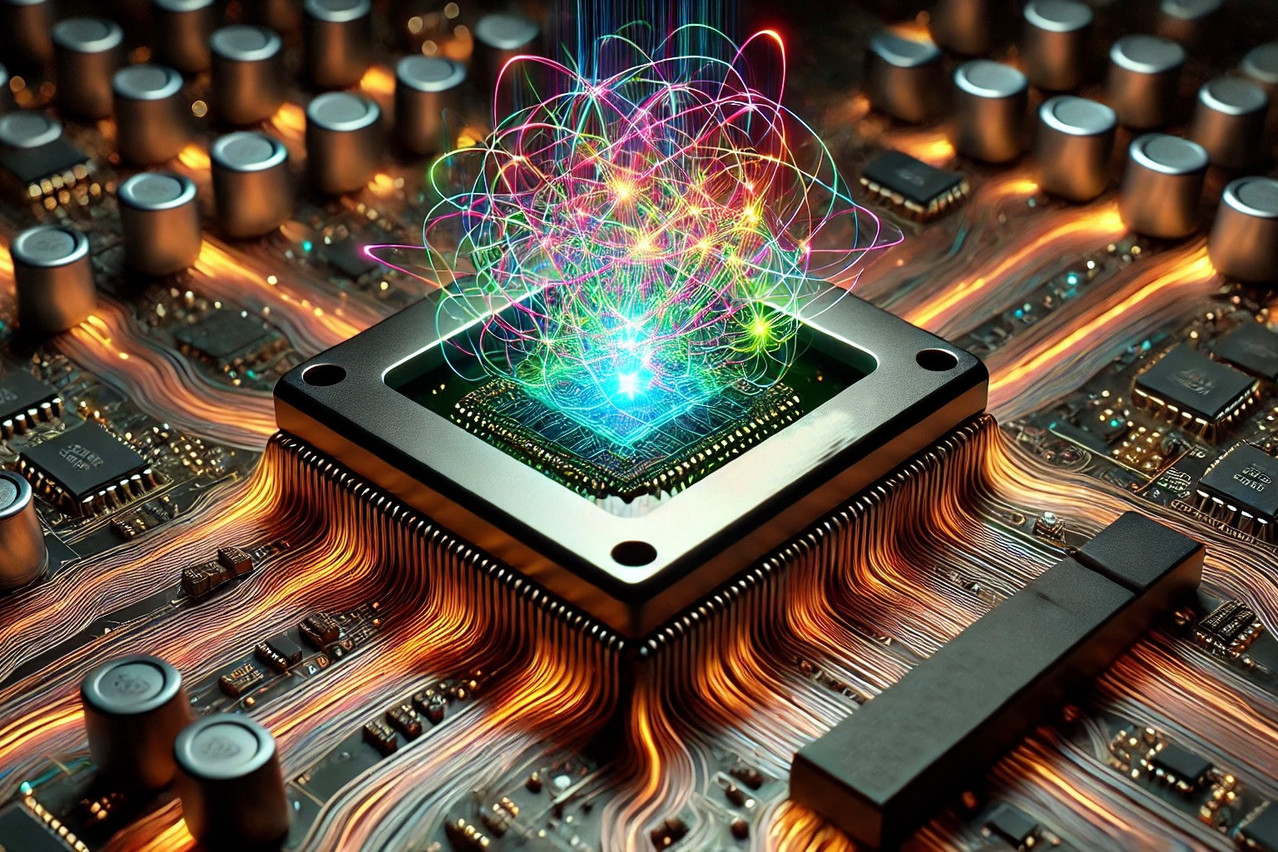
When Elon Musk recently suggested that the Moon’s permanently shadowed craters could host the most advanced quantum computers, it sounded at first like science fiction. Yet, beneath the headline-grabbing audacity lies a deeply rational—and scientifically compelling—idea. Quantum computing, which relies on maintaining delicate quantum states, thrives in environments that are extremely cold, stable, and shielded from noise. And few places in the solar system offer conditions as naturally suited to that purpose as the Moon’s shadowed polar craters.
Why Quantum Computers Need Extreme Environments
Quantum computers operate using qubits—tiny quantum systems that can exist in multiple states simultaneously through the principles of superposition and entanglement. But this delicate state collapses if the qubits interact even slightly with their surroundings. Heat, electromagnetic radiation, vibration, or even stray cosmic particles can trigger decoherence, destroying quantum information and causing errors.
On Earth, researchers combat this by building extraordinarily complex laboratories: cryogenic chambers cooled to near absolute zero, vacuum-sealed enclosures, and layers of magnetic and vibrational shielding. Such infrastructure is not only energy-intensive but also extremely costly. Maintaining a stable quantum environment on Earth is a constant battle against nature. On the Moon, nature itself might help.
1. Extreme Natural Cold: The Moon’s Cryogenic Gift
Permanently shadowed craters near the lunar poles—like Shackleton and Faustini—never see sunlight. As a result, their temperatures plunge to between 20 and 40 Kelvin (around –400°F or –240°C). That’s colder than Pluto and only a few dozen degrees above absolute zero.
This means the Moon offers a passive cryogenic laboratory. On Earth, dilution refrigerators—machines used to cool qubits to millikelvin temperatures—consume enormous energy. On the Moon, nature does much of the cooling for free. The energy savings could be transformative, reducing both costs and engineering complexity.
2. The Helium-3 Advantage: A Lunar Supply Chain for Quantum Tech
Helium-3, a rare isotope essential for achieving ultra-low temperatures in quantum systems, is almost nonexistent on Earth. Global reserves amount to just a few thousand liters per year, primarily extracted from nuclear warheads. But the Moon’s surface, continuously bombarded by solar wind for billions of years, contains an estimated one million tonnes of helium-3 embedded in its regolith.
For quantum technology, that’s a potential revolution. A lunar helium-3 supply chain could fuel not only refrigeration systems but also fusion reactors and advanced power generation—an entire ecosystem of clean, high-efficiency technology. Musk’s vision thus hints at a self-sustaining “quantum economy” on the Moon, where the resources to power computation are mined locally.
3. Perfect Silence: Vacuum and Isolation from Earthly Noise
Even the best Earth-based vacuum chambers can’t match the Moon’s natural near-perfect vacuum. Its exosphere is almost nonexistent—so clean that it makes CERN’s vacuum tunnels look crowded. This eliminates much of the background interference that typically plagues qubits.
Moreover, the absence of atmospheric fluctuations and weather ensures unparalleled stability. No thermal noise. No dust storms. No humidity. And in the darkness of shadowed craters, there are no temperature cycles from day-night transitions, providing an extraordinarily consistent environment for precision measurements.
4. Shielding from Radiation and Cosmic Rays
Ironically, while the Moon lacks a protective atmosphere or magnetic field, its shadowed craters and lava tubes act as natural bunkers. By constructing quantum facilities underground or within crater walls, engineers could block direct exposure to solar flares and cosmic rays—two major sources of high-energy interference.
Google’s quantum processors, for instance, have shown error spikes during solar storms. A well-shielded lunar base could dramatically reduce such disturbances, providing a level of environmental quietude unattainable on Earth.
5. Low Gravity: A New Playground for Quantum Experiments
The Moon’s gravity, roughly one-sixth that of Earth, creates intriguing possibilities for cold-atom quantum computing and quantum metrology. With weaker gravitational pull, atoms in quantum traps can stay in suspension longer, allowing for extended coherence times and new forms of entanglement. Low gravity could enable exotic experiments in quantum tunneling, teleportation, and Bose-Einstein condensates—phenomena that might be too unstable to test on Earth.
6. Engineering the Lunar Quantum Hub
While the physics is enticing, the engineering challenges are immense. Transporting cryogenic equipment, qubit arrays, and superconducting circuits to the lunar surface would require next-generation rockets and autonomous construction robots. Power could come from solar farms installed on crater rims, where perpetual sunlight could beam energy into the dark craters below via microwave or laser transmission systems.
Communication latency—roughly 2.5 seconds round-trip between Earth and the Moon—poses another challenge. Yet, for distributed quantum computing networks, this is manageable. Earth-based quantum data centers could offload certain tasks to lunar quantum nodes, using quantum entanglement or error-corrected communication protocols to synchronize computations.
7. Beyond Computing: The Moon as a Quantum Internet Node
A lunar quantum computer base could double as part of a space-based quantum internet, linking Earth, Moon, and Mars. Entangled photon pairs could form the backbone of ultra-secure communication systems, resistant to hacking or interception. With its vacuum environment and isolation, the Moon could be the ideal hub for calibrating quantum communication satellites—creating an interplanetary web of unbreakable encryption.
8. The Broader Vision: Musk’s “Quantum Civilization”
Elon Musk’s proposal fits neatly into his overarching narrative of humanity as a multi-planetary species. Quantum computing, at its core, is about exponential capability—solving problems in chemistry, materials science, and cryptography that are intractable today. Bringing this power off-world not only amplifies those capabilities but also diversifies humanity’s technological base beyond Earth.
Imagine a quantum research colony powered by solar energy, cooled by lunar darkness, and supplied by helium-3. Such a facility could accelerate discoveries in AI, fusion, medicine, and physics. It might even enable real-time simulations of planetary ecosystems, energy grids, and warp-drive physics—technologies that could define the next century.
9. The Counterarguments: Risks and Realities
Skeptics rightly point out several hurdles:
Logistics: Establishing lunar infrastructure will require hundreds of launches and enormous capital.
Maintenance: Repairing delicate quantum instruments in lunar dust and vacuum could prove daunting.
Latency: For many quantum applications, especially cryptography, instantaneous connectivity is vital—something the Earth-Moon lag challenges.
Ethical and geopolitical concerns: Who owns lunar resources like helium-3? Could quantum technology exacerbate inequality between nations or corporations?
Yet, these concerns mirror those once raised about the early internet, space travel, and even classical computing. Innovation often begins with improbable visions.
Conclusion: The Coldest Lab for the Hottest Frontier
In proposing lunar quantum computing, Elon Musk may once again be glimpsing the frontier before the rest of us. The Moon’s dark craters—frozen in eternal night—could become humanity’s brightest laboratories. What began as an engineering problem on Earth might find its solution not through more insulation and power, but through cosmic relocation.
If the 20th century was the age of silicon and sunlight, the 21st may belong to qubits and shadows—where the ultimate computer hums quietly in the dark heart of the Moon.
चंद्रमा पर क्वांटम कंप्यूटिंग: एलन मस्क की ठंडी लेकिन शानदार दृष्टि
जब एलन मस्क ने हाल ही में यह सुझाव दिया कि चंद्रमा के स्थायी रूप से अंधेरे गड्ढों (permanently shadowed craters) में सबसे उन्नत क्वांटम कंप्यूटर बनाए जा सकते हैं, तो यह सुनने में पहले विज्ञान-कथा जैसा लगा। लेकिन इस साहसिक विचार के पीछे गहरी वैज्ञानिक समझ और व्यावहारिक संभावनाएँ छिपी हैं।
क्वांटम कंप्यूटिंग, जो अत्यंत नाजुक क्वांटम अवस्थाओं पर निर्भर करती है, ठंडे, स्थिर और शोर-मुक्त वातावरण में सबसे बेहतर काम करती है। और सौरमंडल में शायद ही कोई स्थान ऐसा हो जो इन प्राकृतिक परिस्थितियों को चंद्रमा के ध्रुवीय गड्ढों जितना पूर्णता से प्रदान करता हो।
क्यों चाहिए क्वांटम कंप्यूटरों को इतनी चरम परिस्थितियाँ
क्वांटम कंप्यूटर "क्यूबिट्स" (qubits) नामक सूक्ष्म क्वांटम इकाइयों पर चलते हैं, जो एक साथ कई अवस्थाओं में मौजूद हो सकती हैं — इसे superposition और entanglement कहा जाता है। लेकिन यदि क्यूबिट्स अपने आस-पास के वातावरण से जरा-सी भी प्रतिक्रिया कर लें, तो उनकी यह नाजुक अवस्था टूट जाती है। तापमान, विद्युत-चुंबकीय विकिरण, कंपन, या अंतरिक्षीय कण — सब decoherence नामक प्रक्रिया द्वारा त्रुटियाँ उत्पन्न करते हैं।
धरती पर वैज्ञानिक इन प्रभावों से बचने के लिए अत्यंत जटिल प्रयोगशालाएँ बनाते हैं — जिन्हें लगभग शून्य तापमान तक ठंडा किया जाता है, पूरी तरह निर्वात में रखा जाता है और बाहरी चुंबकीय या भौतिक कंपन से अलग किया जाता है। यह सब अत्यधिक ऊर्जा और लागत मांगता है। लेकिन चंद्रमा पर, प्रकृति खुद इन परिस्थितियों को लगभग मुफ्त में प्रदान करती है।
1. अत्यधिक प्राकृतिक ठंड: चंद्रमा की क्रायोजेनिक देन
चंद्रमा के ध्रुवीय क्षेत्र के कुछ गड्ढे — जैसे शैकलटन क्रेटर — कभी सूरज की रोशनी नहीं देखते। वहाँ का तापमान 20 से 40 केल्विन (लगभग –400°F या –240°C) के बीच रहता है। यह तापमान प्लूटो से भी ठंडा है और पूर्ण शून्य से केवल कुछ दर्जे ऊपर।
इस तरह, चंद्रमा एक प्राकृतिक क्रायोजेनिक प्रयोगशाला की तरह कार्य कर सकता है। धरती पर, dilution refrigerators को इस स्तर तक ठंडा करने में बहुत ऊर्जा खर्च होती है। चंद्रमा पर, यह ठंड पहले से ही उपलब्ध है। इससे ऊर्जा की बचत होगी और बुनियादी ढांचे की जटिलता घटेगी।
2. हीलियम-3 का वरदान: क्वांटम तकनीक के लिए नया आपूर्ति तंत्र
क्वांटम प्रणालियों को अत्यधिक ठंड तक पहुँचाने के लिए हीलियम-3 (Helium-3) नामक दुर्लभ समस्थानिक की आवश्यकता होती है। धरती पर यह लगभग नहीं के बराबर मिलता है — हर साल केवल कुछ हजार लीटर ही प्राप्त किया जा सकता है, वह भी मुख्यतः परमाणु हथियारों से।
लेकिन चंद्रमा की सतह पर अरबों वर्षों से सौर पवन के बमबारी से लगभग दस लाख टन हीलियम-3 जमा हो चुका है।
यह क्वांटम प्रौद्योगिकी के लिए एक संभावित क्रांति हो सकती है। चंद्रमा से हीलियम-3 की खुदाई न केवल क्वांटम प्रयोगशालाओं के लिए स्थायी ईंधन प्रदान करेगी बल्कि परमाणु संलयन (fusion) ऊर्जा और स्वच्छ ऊर्जा प्रणालियों की दिशा में भी नई राह खोलेगी। इस प्रकार, मस्क की कल्पना एक आत्मनिर्भर "क्वांटम अर्थव्यवस्था" का संकेत देती है।
3. पूर्ण शांति: निर्वात और पृथ्वी के शोर से दूरी
धरती के सबसे अच्छे निर्वात कक्ष भी चंद्रमा के प्राकृतिक निर्वात के सामने फीके हैं। चंद्रमा का वायुमंडल लगभग शून्य है — इतना स्वच्छ कि वह CERN की टनल्स से भी अधिक निर्वात है। इसका मतलब है कि वहाँ क्यूबिट्स को बाधित करने वाला वातावरण लगभग नहीं है।
साथ ही, चंद्रमा पर कोई मौसम नहीं, कोई नमी नहीं, कोई हवा नहीं। और स्थायी अंधकार में कोई तापमान परिवर्तन नहीं होता। यह एक अत्यंत स्थिर प्रयोगशाला प्रदान करता है — जहाँ परमाणु स्तर की सटीकता संभव है।
4. विकिरण और कॉस्मिक किरणों से सुरक्षा
हालाँकि चंद्रमा के पास पृथ्वी जैसी चुंबकीय ढाल या वायुमंडल नहीं है, फिर भी उसके छायादार गड्ढे और लावा ट्यूब प्राकृतिक शरणस्थल का काम करते हैं। वहाँ बने क्वांटम केंद्र सौर तूफानों और कॉस्मिक किरणों से सुरक्षित रह सकते हैं।
गूगल के क्वांटम प्रोसेसरों में सौर गतिविधि के दौरान त्रुटियाँ बढ़ती देखी गई हैं। चंद्रमा के भीतर बनाए गए प्रयोगशालाएँ इन खतरों को बहुत हद तक समाप्त कर सकती हैं।
5. कम गुरुत्वाकर्षण: नए प्रयोगों की नई दुनिया
चंद्रमा का गुरुत्वाकर्षण पृथ्वी का लगभग 1/6 हिस्सा है। यह कोल्ड-एटम क्वांटम कंप्यूटिंग और क्वांटम मेट्रोलॉजी जैसे प्रयोगों के लिए आदर्श है। वहाँ परमाणु अधिक समय तक स्थिर रह सकते हैं, जिससे coherence time बढ़ जाती है। इससे ऐसे क्वांटम प्रभावों का अध्ययन संभव होगा जो पृथ्वी पर अस्थिर हैं — जैसे quantum tunneling या Bose-Einstein condensate की नई अवस्थाएँ।
6. चंद्र क्वांटम हब की इंजीनियरिंग
यह सब सैद्धांतिक रूप से आकर्षक तो है, लेकिन व्यवहार में कठिन। क्वांटम प्रयोगशालाओं के उपकरणों को चंद्रमा तक पहुँचाना एक विशाल इंजीनियरिंग चुनौती होगी।
ऊर्जा के लिए, क्रेटर की दीवारों पर सौर पैनल लगाए जा सकते हैं, जो लगातार सूर्यप्रकाश में रहते हैं, और वहाँ से माइक्रोवेव या लेज़र बीम द्वारा अंधेरे गड्ढों तक ऊर्जा पहुँचाई जा सकती है।
संचार में लगभग 2.5 सेकंड का विलंब (latency) रहेगा, लेकिन वितरित क्वांटम नेटवर्क में यह स्वीकार्य है। पृथ्वी के क्वांटम डेटा केंद्र चंद्र क्वांटम नोड्स से जुड़कर साझा गणनाएँ कर सकते हैं।
7. कंप्यूटिंग से आगे: चंद्रमा एक क्वांटम इंटरनेट नोड के रूप में
यदि यह प्रयोगशाला बनती है, तो यह केवल कंप्यूटिंग केंद्र नहीं होगी, बल्कि एक अंतरिक्ष-आधारित क्वांटम इंटरनेट नोड भी बन सकती है।
क्वांटम उलझे (entangled) फोटॉन जोड़े पृथ्वी, चंद्रमा और मंगल के बीच अविच्छेद्य एन्क्रिप्शन के साथ संचार कर सकते हैं। चंद्रमा की स्वच्छ निर्वात अवस्था ऐसे फोटॉन नेटवर्क के लिए आदर्श होगी — जो अंतरिक्ष स्तर पर सुरक्षित सूचना विनिमय का नया युग ला सकती है।
8. मस्क की दृष्टि: एक “क्वांटम सभ्यता” की ओर
मस्क की यह सोच उनके व्यापक दृष्टिकोण का हिस्सा है — मानवता को बहुग्रह जाति (multi-planetary species) बनाना। क्वांटम कंप्यूटिंग स्वयं एक ऐसी तकनीक है जो मानव सभ्यता की गणनात्मक शक्ति को घातीय रूप से बढ़ा सकती है — चाहे वह दवा खोज हो, ऊर्जा विज्ञान हो, या कृत्रिम बुद्धिमत्ता।
कल्पना कीजिए — एक क्वांटम शोध उपनिवेश जहाँ सौर ऊर्जा से संचालित प्रयोगशालाएँ, चंद्र अंधकार की ठंडक से ठंडी, और हीलियम-3 से ईंधन प्राप्त करती हों। यह न केवल विज्ञान को बल्कि सभ्यता की गति को बदल देगा।
9. आलोचनाएँ और यथार्थ
कुछ विशेषज्ञ व्यावहारिक चुनौतियों की ओर इशारा करते हैं:
लॉजिस्टिक्स: सैकड़ों रॉकेट लॉन्च और खरबों डॉलर का निवेश लगेगा।
रखरखाव: चंद्रमा की धूल और निर्वात में नाजुक उपकरणों की मरम्मत कठिन होगी।
विलंब: कुछ क्वांटम संचार कार्यों के लिए त्वरित प्रतिक्रिया आवश्यक होती है।
राजनीतिक पहलू: क्या चंद्र संसाधनों का स्वामित्व निजी कंपनियों को दिया जा सकता है?
फिर भी, यही तर्क कभी इंटरनेट, अंतरिक्ष यात्रा या कृत्रिम बुद्धिमत्ता के खिलाफ भी दिए गए थे। हर क्रांति पहले असंभव लगती है।
निष्कर्ष: सबसे ठंडा स्थान, सबसे गर्म तकनीक
एलन मस्क का यह विचार भविष्य की एक झलक हो सकता है। चंद्रमा के स्थायी अंधकार में स्थित गड्ढे — जहाँ सूर्य की किरणें कभी नहीं पहुँचतीं — शायद मानवता की अगली वैज्ञानिक प्रयोगशालाएँ बनें।
धरती पर जिस समस्या का समाधान तकनीकी जटिलता से खोजा जा रहा है, उसका उत्तर शायद अंतरिक्ष की सादगी में छिपा हो।
अगर बीसवीं सदी सिलिकॉन और सूर्यप्रकाश की थी, तो इक्कीसवीं सदी शायद क्यूबिट्स और छायाओं की होगी — जहाँ सबसे शक्तिशाली कंप्यूटर चंद्रमा के अंधेरे में शांति से काम करेगा।
Lunar Quantum Observatory: A Vision for Off-Planet Quantum Computing and Cryogenic Research
Executive Summary
This whitepaper explores the feasibility and strategic significance of building the world’s first Lunar Quantum Observatory (LQO) — a research and computation facility located in the Moon’s permanently shadowed craters. Building on Elon Musk’s recent proposition, the report examines how these ultra-cold, radiation-shielded lunar regions could become the most optimal environment in the solar system for large-scale quantum computation.
By harnessing the Moon’s extreme cryogenic environment (20–40 K), natural vacuum, and potential helium-3 supply, the LQO could overcome major Earth-based challenges of thermal management, noise isolation, and cryogenic logistics. The paper presents a three-phase mission architecture, cost and timeline estimates, and outlines a framework for public-private cooperation.
The central thesis: Quantum computing and space infrastructure will converge, creating a new class of off-planet computation hubs that will serve not only science, but also Earth’s data, defense, and AI needs.
1. Introduction: The Case for Lunar Quantum Computing
Quantum computing is entering its “industrial” phase. Systems by IBM, Google, and IonQ now approach hundreds of qubits, yet scaling remains limited by environmental instability and thermal load. On Earth, maintaining the millikelvin (mK) temperatures necessary for stable qubit operation demands massive cryogenic systems that consume megawatts of power.
The Moon’s permanently shadowed craters — primarily near the South Pole (e.g., Shackleton, Faustini, Shoemaker) — offer the coldest, most stable environments accessible without continuous energy input. With temperatures as low as 20 Kelvin (–253°C) and negligible atmospheric interference, these sites could revolutionize cryogenic physics and computation.
At the same time, the space economy is maturing rapidly. SpaceX’s Starship is approaching reusable heavy-lift readiness, NASA’s Artemis Program is mapping polar regions, and commercial lunar payload delivery is becoming routine. The convergence of these developments makes 2030 a realistic target for Phase I deployment of a lunar quantum facility.
2. The Scientific Rationale
2.1 The Quantum Challenge
Quantum computers rely on qubits that must remain coherent — maintaining superposition and entanglement — for extended periods. Decoherence occurs when qubits interact with external heat, vibration, or electromagnetic fields.
Earth-based systems combat this through:
Cryogenic refrigeration (using dilution refrigerators to reach <10 mK)
Vibration isolation platforms
Superconducting shielding
Magnetic field compensation
These measures are costly and energy-intensive. A single dilution refrigerator can consume 20–40 kW, and large-scale systems require entire power plants. Moreover, even state-of-the-art terrestrial labs cannot fully eliminate environmental noise.
2.2 The Moon’s Natural Advantages
Parameter
Earth-Based Labs
Lunar Polar Craters
Temperature
4–10 K (requiring refrigeration)
20–40 K (natural baseline)
Vibration
Constant (seismic, traffic, wind)
Negligible
Electromagnetic noise
High (urban interference)
Minimal
Atmospheric density
10^19 particles/cm³
~10^4 particles/cm³
Radiation exposure
Managed via shielding
Naturally blocked by crater topography
Energy cost for cooling
Continuous
Largely passive
In short, the Moon functions as a natural cryostat — a passive system offering ultra-stable, low-entropy conditions that drastically reduce the overhead of quantum cooling and isolation.
3. The Physics of the Polar Shadows
3.1 Thermal Permanence
Lunar polar craters are thermally isolated due to their geometry — the Sun never rises above their rims, and they receive zero direct sunlight. The temperature remains constant year-round, varying less than ±2 K over decades. This stability is invaluable for quantum coherence.
3.2 Vacuum and Particle Isolation
The Moon’s exosphere is effectively a vacuum: no convective heat transfer, no air currents, no humidity. This environment reduces qubit decoherence rates by several orders of magnitude, especially for superconducting and trapped-ion systems.
3.3 Helium-3 Deposits
Solar wind implantation has deposited an estimated 1–5 million tonnes of helium-3 (He³) in lunar regolith, particularly at polar regions. On Earth, He³ is scarce — only a few thousand liters are available globally each year, mostly extracted from nuclear sources.
He³ is essential for dilution refrigeration, the process that brings temperatures below 0.01 K. Establishing lunar He³ extraction infrastructure could thus serve two markets:
Cryogenic cooling for quantum and superconducting technologies
Fuel for advanced fusion energy systems
4. Systems Design Overview: The Lunar Quantum Observatory
The Lunar Quantum Observatory (LQO) is envisioned as a modular, autonomous, and cryogenically optimized complex built inside or adjacent to a permanently shadowed crater (PSC). It integrates five main systems:
Cryogenic Chamber Complex – housing quantum computing and physics labs operating between 20 K and 10 mK.
Surface Power Network – solar arrays on crater rims transmitting energy via microwave or laser beams into the crater.
Helium-3 Extraction and Refinement Facility – robotic mining and isotope separation units.
Quantum Communication Array – optical and radio links for Earth-Moon quantum networking.
Habitation and Maintenance Modules – pressurized environments for human or robotic servicing.
5. Diagrammatic Overview (Text Description)
Figure 1: LQO Layout
A cross-sectional schematic showing:
Crater rim with solar panels beaming energy to receivers below
Central cryogenic lab domes embedded in regolith
Helium-3 refinery located on the crater’s sunlit periphery
Quantum communication telescope facing Earth at 0° azimuth
Figure 2: Thermal Zonation
Temperature gradient diagram:
Surface rim: 250 K (sunlit)
Upper crater wall: 80 K
Base floor (shadow): 25 K
Cryogenic lab core: 0.01–1 K (via dilution systems)
Figure 3: Earth–Moon Quantum Network
Depicts:
Entangled photon transmission satellites
Earth-based receivers in Hawaii and Spain
LQO optical link maintaining quantum key distribution (QKD) backbone
6. Mission Architecture: Three Phases
Phase I (2026–2030): Robotic Pathfinder and Site Qualification
Objectives:
Identify the optimal crater (likely Shackleton or Faustini)
Characterize temperature, radiation, and regolith composition
Test autonomous construction robots and power-beaming systems
Deliver prototype cryogenic payload (20–40 K operations)
Phase II (2030–2035): Construction and Quantum Module Deployment
Objectives:
Deploy the first operational quantum processor (10–100 qubits)
Establish the Helium-3 refinery pilot plant
Begin quantum communications link with Earth
Install radiation shielding and autonomous maintenance drones
Technical Highlights:
Superconducting qubit platform using niobium-titanium alloys
Cryogenic vacuum chambers built into crater walls
Remote teleoperation from Lunar Gateway and Earth
Estimated Cost: USD $15–20 billion
Deliverables:
First successful off-planet quantum computation
Continuous cryogenic operation (>1 year uptime)
Earth–Moon quantum communication link (secure channel tests)
Phase III (2035–2045): Expansion into the Lunar Quantum Hub
Objectives:
Scale computation to >1,000 qubits
Expand He³ extraction to industrial scale (≥10 tonnes/year)
Integrate LQO into a space-based quantum internet
Enable AI-driven autonomous research with minimal human presence
Potential Applications:
Cryogenic materials research
AI-accelerated chemistry and drug modeling
Quantum cryptography and deep-space communication
Hybrid lunar data centers for Earth-based AI workloads
Estimated Cost: USD $50–70 billion
Deliverables:
Fully operational Lunar Quantum Observatory
Quantum data network linking Earth, Moon, and Mars orbit
Policy framework for lunar data governance
7. Economic Analysis
7.1 Cost Breakdown
Category
Phase I
Phase II
Phase III
Total
Launch & Transport
$2B
$6B
$10B
$18B
Construction & Infrastructure
$2B
$8B
$20B
$30B
Quantum Hardware & Cryogenics
$1B
$4B
$10B
$15B
Power & Energy Systems
$0.5B
$1B
$5B
$6.5B
R&D and Human Operations
$0.5B
$1B
$3B
$4.5B
Total
$6B
$20B
$48B
≈$74B
While the figure appears monumental, this investment parallels the cost of large-scale Earth-based quantum infrastructure projected for the 2030s (e.g., data centers, fusion plants, and exascale AI clusters).
7.2 Funding Models
Public–Private Partnership (PPP):
NASA, ESA, JAXA collaboration with SpaceX, Blue Origin, and IBM Quantum.
Similar to the International Space Station (ISS) cost-sharing model.
Revenue from helium-3 extraction, lunar IP rights, and data licensing.
AI Computation Leasing:
Earth-based corporations could lease “cold compute cycles” for quantum-AI hybrid applications.
8. Technical and Environmental Challenges
8.1 Power Supply and Distribution
The LQO must balance permanent darkness at the crater base with constant sunlight at the rim. Solutions include:
High-efficiency GaAs solar arrays on crater rims.
Wireless power transmission using microwave or laser beams.
Superconducting cables running along crater walls to minimize losses.
8.2 Dust Mitigation
Lunar dust (regolith) is sharp, electrostatically charged, and can interfere with optics and machinery. Mitigation strategies:
Electrodynamic dust shields
Self-cleaning surfaces
Airlock-style chambers for sensitive components
8.3 Communication Latency
The 2.5-second round trip limits real-time control. Autonomous AI systems will handle 90% of operational tasks, while human supervision focuses on high-level decision-making.
8.4 Radiation and Micrometeorite Protection
Multi-layer regolith shielding and crater topology offer protection equivalent to 2–3 meters of lead. Lava tubes could serve as natural bunkers for the most sensitive qubit arrays.
8.5 Ethical and Legal Framework
Ownership: The Outer Space Treaty prohibits national claims, but allows private operations under state jurisdiction.
Data Sovereignty: LQO-generated data could fall under multinational governance.
Environmental impact: Robotic mining of He³ must avoid destabilizing local ice reserves, which are vital for future human missions.
9. Strategic Implications
9.1 Scientific Frontiers
Astrophysics: Ultra-stable cryogenic environments allow for cosmic microwave background (CMB) studies with unprecedented precision.
Particle Physics: Quantum sensors can detect neutrinos and dark matter signatures.
Time Standards: Lunar-based optical clocks could redefine global timekeeping with 10⁻¹⁸ accuracy.
9.2 Defense and Security
Quantum encryption and communication from lunar orbit would be virtually unhackable.
The U.S., China, and India are already developing space-based quantum key distribution (QKD).
The LQO could serve as the strategic backbone of secure interplanetary communication.
9.3 Economic and Industrial Impact
He³ extraction could underpin a $10 trillion fusion energy industry by 2050.
The “quantum cold chain” may become as vital as today’s semiconductor supply chains.
9.4 Geopolitical Balance
Lunar quantum dominance could become the 21st-century equivalent of nuclear superiority.
A U.S.-led or multilateral LQO initiative could establish peaceful norms, preventing monopolization of off-Earth resources.
10. Governance and International Collaboration
10.1 Institutional Model
Proposed governance structure:
Lunar Quantum Authority (LQA): A UN-affiliated agency ensuring fair access and safety standards.
Scientific Advisory Council: Representatives from leading universities and research institutions.
Commercial Consortium: Private partners contributing logistics, hardware, and financing.
10.2 Transparency and Data Sharing
Open-data principles modeled on CERN and the Human Genome Project.
Tiered access for national research bodies, startups, and AI companies.
Dual-use safeguards to prevent militarization.
10.3 Sustainability Charter
Environmental assessment protocols for lunar mining.
Resource quotas for helium-3 extraction.
Long-term plan for debris minimization and preservation of lunar heritage sites.
11. Policy Recommendations
Immediate (2025–2027):
Fund feasibility studies under NASA’s Innovative Advanced Concepts (NIAC) program.
Begin cryogenic instrumentation testing in simulated lunar environments (e.g., Antarctica’s Shackleton Range).
Mid-Term (2028–2035):
Approve international cost-sharing framework.
Develop helium-3 supply chain roadmaps.
Establish interplanetary quantum communication protocols.
Long-Term (2035–2045):
Operationalize LQO Phase III.
Launch “Quantum Moon Network” connecting Earth, Moon, and Mars bases.
Create academic consortium for ongoing scientific collaboration.
             LUNAR QUANTUM OBSERVATORY ARCHITECTURE (Conceptual)
     ┌────────────────────────────────────────────────────────────┐
     │       Solar Arrays on Crater Rim (constant sunlight)       │
     │                  ↓ Microwave Power Beams                   │
     │      Cryogenic Lab Complex (20K → 0.01K) in Shadow Zone    │
     │      ├─ Quantum Processors (Superconducting & Ion Trap)    │
     │      ├─ He³ Refinery Units                                 │
     │      ├─ Radiation Shielding via Regolith Domes             │
     │      ├─ AI Maintenance Robots                              │
     │      └─ Optical QKD Antenna facing Earth                   │
     └────────────────────────────────────────────────────────────┘
14. Risk Analysis
Risk Type
Description
Mitigation
Technical
Cryogenic system failure due to lunar dust
Redundant systems, magnetic seals
Economic
Cost overruns during transport
Fixed-price launch contracts
Political
Territorial disputes
UN-backed Lunar Governance Charter
Ethical
Resource exploitation
Transparency and data-sharing mandates
Environmental
Volatile ice contamination
Remote sensing and robotic precision mining
15. Outlook: The Dawn of Quantum Infrastructure
The Lunar Quantum Observatory would mark the first fusion of quantum computing and space infrastructure. If built, it could shift humanity’s technological center of gravity beyond Earth — unlocking capabilities that reframe physics, energy, and computation alike.
In the 20th century, the transistor and satellite defined human progress.
In the 21st, the qubit and the crater may play that role.
By 2045, a network of lunar quantum observatories could serve as:
Cold computation backbones for Earth’s AI superclusters
Cryogenic research platforms for fusion and superconductivity
Quantum internet relays spanning planets
What began as an idea from a visionary entrepreneur may soon evolve into the first off-planet knowledge engine — a literal machine of the Moon — quietly humming at 0.01 Kelvin, guiding human civilization into its quantum age.
लूनर क्वांटम ऑब्ज़र्वेटरी: ऑफ-प्लानेट क्वांटम कम्प्यूटिंग और क्रायोजेनिक अनुसंधान की दृष्टि (Lunar Quantum Observatory: A Vision for Off-Planet Quantum Computing and Cryogenic Research)
कार्यकारी सारांश (Executive Summary)
यह श्वेतपत्र (whitepaper) दुनिया की पहली लूनर क्वांटम ऑब्ज़र्वेटरी (Lunar Quantum Observatory – LQO) स्थापित करने की संभावनाओं और रणनीतिक महत्त्व की पड़ताल करता है — एक ऐसा अनुसंधान और गणनात्मक केंद्र जो चंद्रमा के उन स्थायी रूप से अंधेरे गड्ढों (permanently shadowed craters) में बनेगा जहाँ तापमान अत्यंत निम्न है।
एलन मस्क द्वारा प्रस्तावित यह विचार इस बात पर आधारित है कि ये अति-शीतल, विकिरण से सुरक्षित क्षेत्र क्वांटम कम्प्यूटिंग के लिए सबसे आदर्श वातावरण प्रदान कर सकते हैं। चंद्रमा की अत्यधिक ठंड (20–40 केल्विन), प्राकृतिक निर्वात (vacuum), और संभावित हीलियम-3 संसाधन क्वांटम प्रणालियों के लिए पृथ्वी-आधारित सबसे बड़ी चुनौतियाँ — ऊष्मा प्रबंधन, कंपन और विद्युत-चुंबकीय शोर — को काफी हद तक समाप्त कर सकते हैं।
यह रिपोर्ट तीन चरणों वाली मिशन संरचना, लागत अनुमान, और सार्वजनिक-निजी साझेदारी मॉडल प्रस्तुत करती है। इसका केंद्रीय तर्क यह है कि आने वाले दशकों में क्वांटम कम्प्यूटिंग और अंतरिक्ष अवसंरचना एकीकृत होंगे, और मानवता के पास पृथ्वी से परे पहला “बुद्धिमान डेटा केंद्र” होगा।
1. परिचय: क्यों ज़रूरी है चंद्रमा पर क्वांटम कम्प्यूटिंग
क्वांटम कम्प्यूटिंग अब औद्योगिक चरण में प्रवेश कर चुकी है। IBM, Google और IonQ जैसी कंपनियाँ सैकड़ों क्यूबिट (qubits) वाले सिस्टम विकसित कर चुकी हैं, लेकिन इनका स्केल अभी भी पर्यावरणीय अस्थिरता और ऊष्मीय बाधाओं के कारण सीमित है।
पृथ्वी पर क्वांटम कम्प्यूटरों को स्थिर रखने के लिए मिलिकेल्विन (mK) तापमान पर संचालित करना पड़ता है, जिसके लिए भारी-भरकम क्रायोजेनिक उपकरणों और निरंतर ऊर्जा आपूर्ति की आवश्यकता होती है।
चंद्रमा के दक्षिणी ध्रुव के स्थायी रूप से अंधेरे गड्ढे — जैसे शैकलटन (Shackleton), फॉस्टिनी (Faustini), और शूमेकर (Shoemaker) — ऐसे स्थान हैं जहाँ सूर्य की रोशनी कभी नहीं पहुँचती। यहाँ का तापमान 20 केल्विन (–253°C) तक पहुँच जाता है, जो एक स्थिर और शोररहित प्रयोगशाला का प्राकृतिक आधार तैयार करता है।
साथ ही, अंतरिक्ष अर्थव्यवस्था (space economy) तेजी से परिपक्व हो रही है। स्पेसएक्स का Starship पुन: प्रयोज्य भारी-वाहक यान बनने की दिशा में है, NASA का Artemis कार्यक्रम ध्रुवीय क्षेत्रों का मानचित्रण कर रहा है, और व्यावसायिक चंद्र अभियानों का युग शुरू हो चुका है। इन सबके सम्मिलन से 2030 तक चरण-I (Phase I) की शुरुआत यथार्थवादी बन जाती है।
2. वैज्ञानिक तर्क (Scientific Rationale)
2.1 क्वांटम चुनौती
क्वांटम कम्प्यूटर ऐसे क्यूबिट्स पर आधारित होते हैं जो superposition और entanglement की अवस्था में बने रहते हैं। यह नाजुक संतुलन तभी तक संभव है जब बाहरी गर्मी, कंपन, या चुंबकीय हस्तक्षेप न हो।
इसे नियंत्रित करने के लिए पृथ्वी पर प्रयोगशालाएँ उपयोग करती हैं:
क्रायोजेनिक रेफ्रिजरेशन (Cryogenic Refrigeration) – तापमान को <10 mK तक लाने के लिए
कंपन अलगाव प्रणाली (Vibration Isolation Platforms)
चुंबकीय ढाल (Superconducting Shielding)
सटीक तापमान नियंत्रण प्रणालियाँ
ये सभी उपाय महंगे और ऊर्जा-खपत वाले हैं। एक ही रेफ्रिजरेटर को 20–40 किलोवॉट तक ऊर्जा चाहिए होती है। बड़े पैमाने पर सिस्टम चलाने के लिए बिजलीघरों जैसी व्यवस्था करनी पड़ती है।
2.2 चंद्रमा के प्राकृतिक लाभ
पैरामीटर
पृथ्वी की प्रयोगशालाएँ
चंद्र ध्रुवीय गड्ढे
तापमान
4–10 K (कृत्रिम शीतलन से)
20–40 K (स्वाभाविक)
कंपन
निरंतर (भूकंपीय, यातायात आदि)
नगण्य
विद्युत-चुंबकीय शोर
अधिक
लगभग शून्य
वायुमंडलीय घनत्व
10¹⁹ कण/सेमी³
~10⁴ कण/सेमी³
विकिरण
कृत्रिम ढाल से नियंत्रित
प्राकृतिक छाया में अवरुद्ध
ऊर्जा लागत
अत्यधिक
न्यूनतम
इस तरह चंद्रमा एक प्राकृतिक क्रायोस्टेट (cryostat) की तरह कार्य करता है — जहाँ बिना निरंतर ऊर्जा खर्च के ही अतिशीतल परिस्थितियाँ बनी रहती हैं।
3. ध्रुवीय छायाओं का भौतिकी विज्ञान
3.1 तापीय स्थिरता (Thermal Permanence)
ध्रुवीय गड्ढे इस प्रकार बने हैं कि सूर्य की किरणें कभी सीधे उन तक नहीं पहुँचतीं। इस कारण यहाँ का तापमान दशकों तक लगभग स्थिर (±2 K) बना रहता है। यह स्थिरता क्वांटम कोहेरेंस के लिए अत्यंत उपयोगी है।
3.2 निर्वात और अलगाव (Vacuum and Isolation)
चंद्रमा का वायुमंडल लगभग न के बराबर है। कोई वायु प्रवाह, कोई आर्द्रता नहीं — इससे decoherence की संभावना बहुत कम हो जाती है।
3.3 हीलियम-3 का भंडार
सौर पवन द्वारा अरबों वर्षों में जमा हुआ हीलियम-3 (He³) चंद्र सतह पर करोड़ों टन में मौजूद है। पृथ्वी पर यह दुर्लभ तत्व प्रति वर्ष केवल कुछ हजार लीटर ही उपलब्ध होता है, जबकि क्वांटम रेफ्रिजरेशन के लिए यह अत्यावश्यक है।
यदि हीलियम-3 को वहाँ से निकाला जा सके, तो यह न केवल क्वांटम प्रयोगशालाओं बल्कि भविष्य के संलयन ऊर्जा संयंत्रों (fusion reactors) के लिए भी एक स्थायी स्रोत बनेगा।
4. लूनर क्वांटम ऑब्ज़र्वेटरी (LQO) की रूपरेखा
यह सुविधा चंद्रमा के किसी स्थायी अंधेरे गड्ढे में स्थित एक स्वायत्त, क्रायोजेनिक प्रयोगशाला परिसर होगी, जिसमें पाँच मुख्य प्रणालियाँ शामिल होंगी:
क्रायोजेनिक चैंबर परिसर – जहाँ तापमान 20 K से 10 mK तक नियंत्रित रहेगा।
ऊर्जा नेटवर्क – गड्ढे की परिधि पर स्थापित सौर पैनल जो लेज़र या माइक्रोवेव बीम से ऊर्जा भेजेंगे।
हीलियम-3 रिफाइनरी – रोबोटिक खनन और पृथक्करण इकाइयाँ।
क्वांटम संचार एरे (Quantum Communication Array) – पृथ्वी के साथ डेटा और फोटॉनिक संचार के लिए।
मानव या रोबोटिक रखरखाव मॉड्यूल – निरीक्षण, मरम्मत और सुरक्षा के लिए।
5. योजनात्मक आरेख (Diagram Descriptions)
चित्र 1: LQO संरचना
गड्ढे के किनारे पर सौर पैनल
अंधेरे तल पर क्रायोजेनिक प्रयोगशाला
हीलियम-3 रिफाइनरी किनारों पर
पृथ्वी की दिशा में क्वांटम संचार टेलीस्कोप
चित्र 2: तापीय क्षेत्र
सूर्य-पक्ष: 250 K
दीवारें: 80 K
तल: 25 K
प्रयोगशाला केंद्र: 0.01–1 K
चित्र 3: पृथ्वी–चंद्र क्वांटम नेटवर्क
पृथ्वी, चंद्रमा और उपग्रहों के बीच entangled photon नेटवर्क
सुरक्षित quantum key distribution (QKD) चैनल
6. मिशन संरचना: तीन चरण
चरण I (2026–2030): रोबोटिक प्रारंभिक अन्वेषण
उद्देश्य:
उपयुक्त गड्ढे का चयन
तापमान और विकिरण मापन
स्वचालित निर्माण तकनीक का परीक्षण
ऊर्जा-प्रेषण का सत्यापन
लागत अनुमान: 4–6 अरब डॉलर
चरण II (2030–2035): निर्माण और प्रारंभिक संचालन
उद्देश्य:
पहला सक्रिय क्वांटम प्रोसेसर (10–100 क्यूबिट)
हीलियम-3 रिफाइनरी की शुरुआत
पृथ्वी से क्वांटम संचार लिंक
विकिरण ढाल और रखरखाव ड्रोन तैनाती
लागत: 15–20 अरब डॉलर
चरण III (2035–2045): विस्तार और औद्योगिकीकरण
उद्देश्य:
1,000 से अधिक क्यूबिट्स
हीलियम-3 का वार्षिक 10 टन उत्पादन
चंद्र–पृथ्वी–मंगल क्वांटम नेटवर्क
पूर्णतः स्वायत्त AI-आधारित संचालन
लागत: 50–70 अरब डॉलर
7. आर्थिक विश्लेषण (Economic Analysis)
श्रेणी
चरण I
चरण II
चरण III
कुल
लॉन्च और परिवहन
$2B
$6B
$10B
$18B
निर्माण और अवसंरचना
$2B
$8B
$20B
$30B
क्वांटम उपकरण
$1B
$4B
$10B
$15B
ऊर्जा प्रणाली
$0.5B
$1B
$5B
$6.5B
अनुसंधान और संचालन
$0.5B
$1B
$3B
$4.5B
कुल योग
$6B
$20B
$48B
≈$74B
यह लागत वैश्विक स्तर के AI डेटा सेंटर्स या भविष्य के संलयन संयंत्रों के समकक्ष है।
धूल नियंत्रण: इलेक्ट्रोडायनामिक शील्ड और स्व-सफाई सतहें
संचार विलंब: 2.5 सेकंड — स्वायत्त AI संचालन आवश्यक
विकिरण से सुरक्षा: लावा ट्यूब और रेजोलिथ ढाल
कानूनी ढाँचा: चंद्र संसाधनों का अंतरराष्ट्रीय स्वामित्व सुनिश्चित करना
9. रणनीतिक प्रभाव (Strategic Implications)
वैज्ञानिक उपयोग: कॉस्मिक माइक्रोवेव बैकग्राउंड, न्यूट्रिनो और डार्क मैटर शोध
सुरक्षा: क्वांटम एन्क्रिप्शन आधारित अभेद्य संचार नेटवर्क
आर्थिक प्रभाव: हीलियम-3 आधारित 10 ट्रिलियन डॉलर ऊर्जा उद्योग
भू-राजनीति: क्वांटम प्रभुत्व अगली “नाभिकीय श्रेष्ठता” बन सकता है
10. शासन और सहयोग (Governance and Collaboration)
लूनर क्वांटम प्राधिकरण (Lunar Quantum Authority – LQA)
संयुक्त राष्ट्र के अधीन नियामक निकाय
वैज्ञानिक सलाह परिषद: प्रमुख विश्वविद्यालय और अनुसंधान संस्थान
निजी संघ: SpaceX, IBM, Blue Origin, आदि
डेटा पारदर्शिता: CERN जैसी खुली डेटा नीति सततता चार्टर: सीमित खनन, बर्फ संरक्षित क्षेत्र, पर्यावरण संरक्षण
11. नीति सिफ़ारिशें (Policy Recommendations)
2025–2027:
NASA के NIAC कार्यक्रम के अंतर्गत प्रारंभिक अध्ययन
अंटार्कटिका में समान वातावरण पर परीक्षण
2028–2035:
अंतरराष्ट्रीय वित्तीय ढाँचा
हीलियम-3 आपूर्ति श्रृंखला विकास
क्वांटम संचार मानक निर्धारण
2035–2045:
पूर्ण LQO संचालन
पृथ्वी–चंद्र–मंगल “क्वांटम नेटवर्क” की स्थापना
शैक्षणिक संघ और अनुसंधान साझेदारी
12. लागत–लाभ प्रक्षेपण (Cost–Benefit Projection)
क्षेत्र
लाभ
समयसीमा
क्वांटम कम्प्यूटिंग
100–1,000× दक्षता
2035–2045
संलयन ऊर्जा
हीलियम-3 आधारित स्वच्छ ऊर्जा
2040–2060
AI और बिग डेटा
सुरक्षित ऑफ-वर्ल्ड कम्प्यूटिंग
2030–2050
वैज्ञानिक खोज
नई भौतिकी और समय मानक
2028–2050
आर्थिक प्रभाव
निवेश पर 10× प्रतिफल
2045+
13. संकल्पना आरेख (Conceptual Mission Architecture)
   ┌────────────────────────────────────────────┐
   │    लूनर क्वांटम ऑब्ज़र्वेटरी (LQO) संरचना │
   │  ───────────────────────────────────────  │
   │  • गड्ढे के किनारे सौर पैनल (स्थायी प्रकाश) │
   │  • माइक्रोवेव/लेज़र द्वारा ऊर्जा प्रेषण     │
   │  • छाया क्षेत्र में क्रायोजेनिक प्रयोगशाला    │
   │  • हीलियम-3 रिफाइनरी इकाइयाँ                │
   │  • AI रखरखाव रोबोट और क्वांटम एंटेना        │
   └────────────────────────────────────────────┘
14. जोखिम विश्लेषण (Risk Analysis)
जोखिम
विवरण
समाधान
तकनीकी
धूल से उपकरण क्षति
चुंबकीय सील, स्वचालित सफाई
आर्थिक
परिवहन लागत वृद्धि
निश्चित मूल्य अनुबंध
राजनीतिक
स्वामित्व विवाद
UN चार्टर के अंतर्गत सहयोग
नैतिक
संसाधन दोहन
पारदर्शी नीति, साझा डेटा
पर्यावरणीय
बर्फीले भंडार को क्षति
सटीक रोबोटिक खनन
15. निष्कर्ष: क्वांटम अवसंरचना का नया प्रभात
लूनर क्वांटम ऑब्ज़र्वेटरी क्वांटम कम्प्यूटिंग और अंतरिक्ष अवसंरचना का पहला संगम होगी। यदि निर्मित हुई, तो यह मानव सभ्यता की तकनीकी धुरी को पृथ्वी से परे स्थानांतरित कर सकती है।
20वीं सदी के प्रतीक थे — ट्रांजिस्टर और सैटेलाइट।
21वीं सदी के प्रतीक होंगे — क्यूबिट और क्रेटर।
2045 तक चंद्रमा पर क्वांटम ऑब्ज़र्वेटरी का जाल बिछ सकता है, जो:
पृथ्वी के लिए शीत कम्प्यूटिंग केंद्र बनेगा,
संलयन ऊर्जा और सुपरकंडक्टर शोध को गति देगा,
और अंतरग्रहीय क्वांटम नेटवर्क की नींव रखेगा।
जो विचार एक दृष्टिवान उद्यमी से प्रारंभ हुआ, वह मानवता की पहली “ऑफ-प्लानेट नॉलेज इंजन” बन सकता है — एक ऐसी मशीन जो चंद्र अंधकार में 0.01 केल्विन पर शांतिपूर्वक काम करेगी, और मानवता को उसके क्वांटम युग में प्रवेश कराएगी।
The Tech Convergence of the 2020s: Mapping the Major Technologies and the Future They’re Building Together
The 2020s are a decade of convergence. No longer is innovation driven by single technologies in isolation. Instead, the most transformative breakthroughs arise at the intersections—where artificial intelligence meets biotech, or where blockchain blends with climate tech. Below, we explore the 10–20 major technologies defining this decade, and then dive deep into the combinatorial magic that is giving rise to entire new industries and game-changing companies.
🔧 The 20 Most Pivotal Technologies of the 2020s
Here’s a breakdown of the most important technologies right now, and those likely to dominate the rest of the decade:
1. Artificial Intelligence (AI)
AI has become the foundational layer of modern tech—spanning natural language processing (like ChatGPT), computer vision, robotics, and more. It's being used in virtually every industry: healthcare, finance, logistics, creative arts, and even governance.
2. Machine Learning & Deep Learning
These subsets of AI enable systems to learn from data and improve over time. Neural networks, transformer models, and reinforcement learning are enabling breakthroughs in drug discovery, autonomous vehicles, and personalized recommendations.
3. Quantum Computing
Still in its early stages, quantum computing promises exponential speedups in processing power for certain types of problems—like simulating molecules or solving complex optimization challenges. Giants like IBM, Google, and startups like PsiQuantum are pushing the limits.
4. Blockchain and Decentralized Ledger Technologies (DLT)
Originally known for powering cryptocurrencies, blockchain is now being applied to supply chains, finance, digital identity, voting systems, and decentralized internet infrastructure.
5. Web3
Built on blockchain, Web3 proposes a user-owned internet with decentralized apps (dApps), community governance (DAOs), and new business models for creators. It's controversial, experimental—but evolving rapidly.
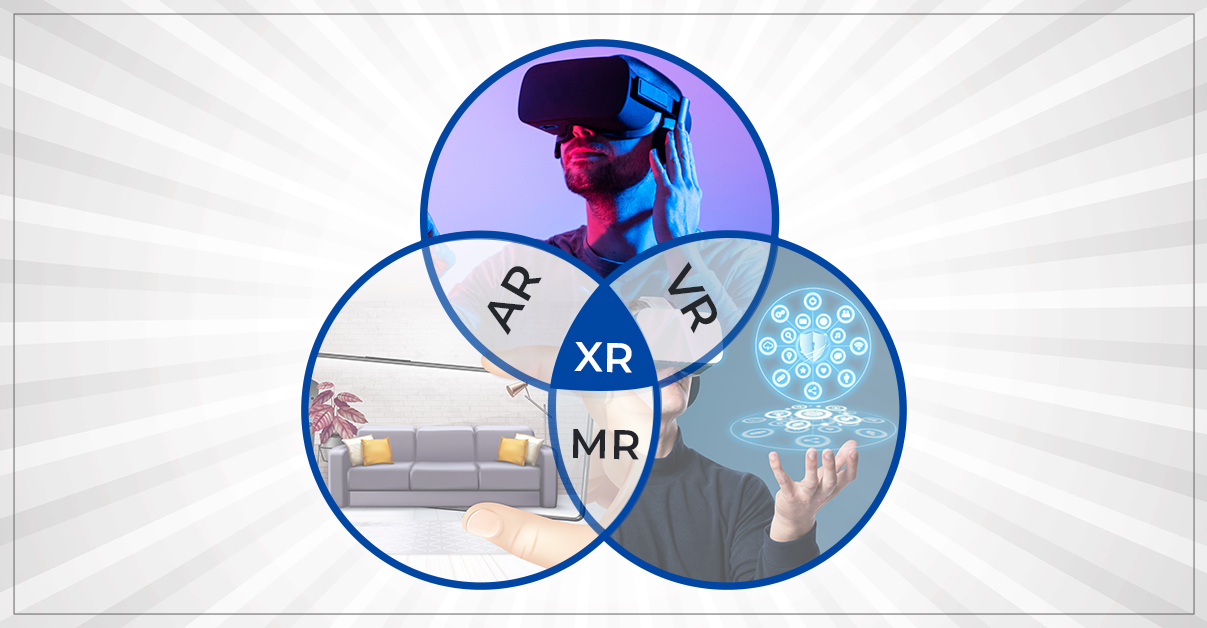
6. Extended Reality (XR): AR/VR/MR
Augmented reality (AR), virtual reality (VR), and mixed reality (MR) are redefining entertainment, education, training, and even remote work. Apple Vision Pro and Meta Quest are major players, with enterprises beginning to adopt XR seriously.
7. 5G and Next-Gen Connectivity
Ultra-low latency and high-speed internet through 5G (and eventually 6G) is enabling smart cities, IoT, real-time gaming, autonomous drones, and large-scale sensor networks.
8. Internet of Things (IoT)
Billions of connected devices—from smart thermostats to industrial machinery—are creating real-time digital mirrors of the physical world. IoT fuels predictive maintenance, smart agriculture, and real-time logistics.
9. Edge Computing
As IoT grows, edge computing processes data closer to the source (on the “edge” of the network) to reduce latency and bandwidth costs. Essential for self-driving cars, industrial automation, and real-time analytics.
10. Biotechnology & Genomics
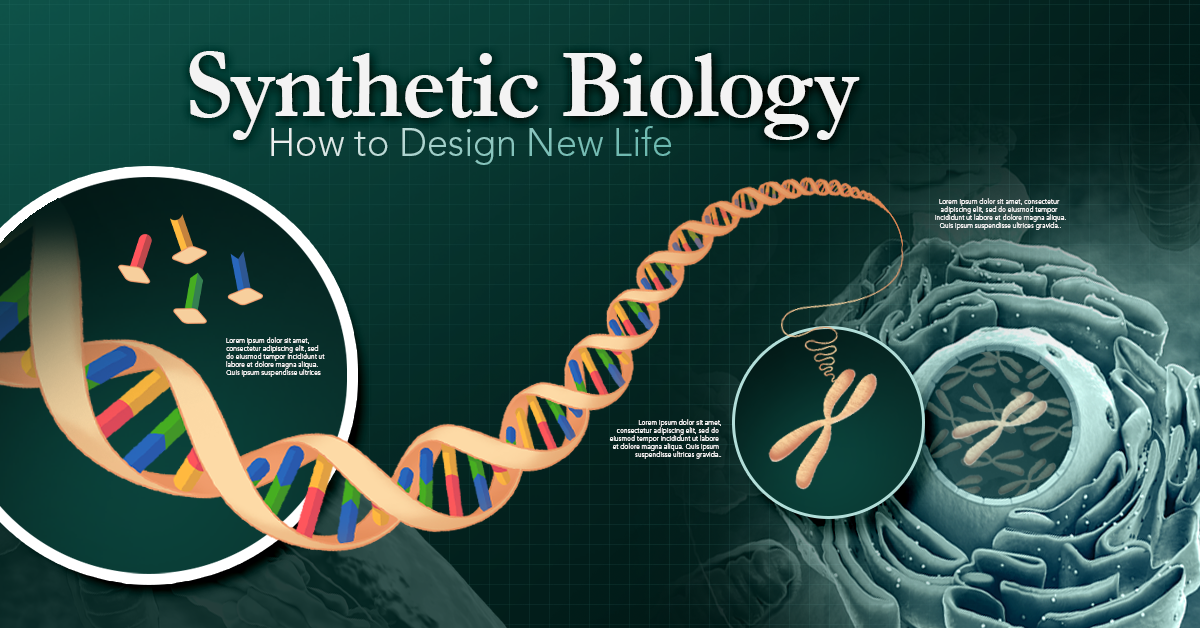
CRISPR, gene editing, mRNA vaccines, and synthetic biology are transforming healthcare, agriculture, and even manufacturing. The biology revolution is catching up with the digital one.
Neural implants, wearable EEGs, and non-invasive interfaces like those developed by Neuralink and Synchron aim to bridge minds and machines—enabling new treatments, control systems, and potentially thought-based communication.
12. Renewable Energy & Storage
Solar, wind, and battery technology are reaching tipping points in cost and efficiency. Innovations in grid management and materials science (e.g., perovskites) are helping scale clean energy rapidly.
13. Climate Tech & Carbon Removal
Carbon capture, regenerative agriculture, direct air capture, and circular economy startups are aiming to mitigate climate change while creating trillion-dollar opportunities.
14. Autonomous Vehicles & Drones
Self-driving cars, delivery drones, and autonomous ships are changing transport and logistics. AI, sensors, edge computing, and regulatory frameworks play critical roles here.
15. Additive Manufacturing (3D Printing)
Used in aerospace, medicine, housing, and even food, 3D printing enables hyper-customization, decentralized manufacturing, and on-demand production.
16. Digital Twins
A digital replica of a physical object or system, digital twins are used to simulate, monitor, and optimize everything from factories to cities to humans.
17. Robotics
Modern robots are becoming more agile, adaptive, and collaborative. Boston Dynamics' humanoids or warehouse bots from companies like Locus Robotics are revolutionizing labor-intensive industries.
18. Cybersecurity and Zero-Trust Architectures
As systems become more interconnected, new frameworks for authentication, encryption, and secure access are critical. AI-powered threat detection and quantum-safe encryption are key focus areas.
19. Synthetic Media & Generative Content
AI-generated art, music, videos, voices (deepfakes), and 3D assets are transforming content creation and raising ethical concerns around authenticity and misinformation.
20. Space Tech
Satellite internet (Starlink), space tourism (Blue Origin, SpaceX), and asteroid mining are no longer science fiction. Space is now a geopolitical and commercial frontier.
🔄 The Power of Intersection: Where the Future Emerges
While each of these technologies is powerful on its own, it’s their convergence that is birthing entirely new industries. Let’s examine some potent intersection points:
🧠 AI + Biotech = Intelligent Drug Discovery
Startups like Insilico Medicine or Recursion use AI to model biological systems and discover molecules faster and cheaper than traditional pharma. AI dramatically reduces the time and cost of clinical trials.
Imagine smart farms that monitor soil, water, and crops in real time—or factories that self-correct before breaking down.
New Companies:
Autonomous industrial infrastructure managers
Real-time agriculture-as-a-service platforms
Smart city operating systems
🌍 Blockchain + Climate Tech = Carbon Markets 2.0
Decentralized carbon credits with transparent, tamper-proof verification are disrupting traditional carbon offset schemes.
New Models:
On-chain regenerative farming protocols
Global environmental DAOs
Carbon-credit NFT marketplaces
🎓 XR + AI + Web3 = Metaverse Education
AI tutors, VR campuses, and credentialing on blockchain enable a new form of immersive, peer-to-peer learning.
New Startups:
Decentralized universities
AI-powered immersive tutors
Metaverse-native workforce training
🚘 Autonomous Vehicles + Digital Twins + Edge Computing
Simulated environments help test millions of driving scenarios. Digital twins of roads, cities, and vehicles enable real-time optimization and safer navigation.
Emerging Companies:
Infrastructure-aware autonomous mobility firms
Real-time fleet optimization services
Virtual regulators (for sim environments)
💡 Quantum Computing + Cybersecurity
Quantum computers threaten current encryption. This gives rise to post-quantum cryptography and hybrid security layers.
Startups to Watch:
Quantum-safe cloud providers
Crypto wallet companies with quantum-proof keys
Zero-trust quantum security systems
🧬 BCI + Generative AI
This will be the interface revolution. Think-to-text, thought-controlled music composition, or even brain-guided game development.
Potential Ventures:
Brain-controlled design platforms
Mental health monitoring tools using brainwave-AI integration
BCI-driven creator platforms
🏭 3D Printing + AI + Digital Twins
Factories that simulate, then print. Hyper-customized, localized manufacturing.
New Businesses:
AI-first microfactories
Personal product designers with 3D printing APIs
Print-on-demand prosthetics, shoes, homes
🚀 What Comes Next: Founding the Future
Next-Gen Unicorns Will Be…
AI-native healthcare platforms (predictive diagnostics, mental health coaching, real-time biofeedback)
Web3-enabled climate marketplaces (transparent ESG tracking and crediting)
Decentralized knowledge networks (Vidya-style collaborative education platforms with AI mentors)
AIxCrypto synthetic economic systems (game economies that mirror real economies with value)
🧭 Final Thoughts: The Decade of Fusion
The rest of the 2020s won’t be about isolated tech miracles—but fusion. The magic lies in mixing disciplines, crossing silos, and creating recombinant innovation. We are witnessing the birth of a new industrial age—one where minds, machines, and markets blur. The most successful founders, researchers, and investors will be those who stand at the intersections—and know how to build bridges between them.
Which convergence excites you most? Which one are you building in?
Let’s keep the conversation going—because the future is being prototyped right now.
2020 का दशक और तकनीकी संगम: प्रमुख तकनीकों और उनके मिलन से जन्म लेते नए उद्योग
2020 का दशक केवल नई तकनीकों का नहीं, बल्कि उनके संगम का है। अब नवाचार किसी एक तकनीक से नहीं, बल्कि दो या अधिक तकनीकों के आपस में मिलने से होता है। जब कृत्रिम बुद्धिमत्ता जैव-प्रौद्योगिकी से मिलती है, या ब्लॉकचेन जलवायु तकनीक से जुड़ता है — तभी असली क्रांति होती है। इस ब्लॉग में हम उन 10–20 प्रमुख तकनीकों का विश्लेषण करेंगे जो इस दशक को परिभाषित कर रही हैं, और फिर जानेंगे कि इनके आपसी मेल से कौन-से नए उद्योग और स्टार्टअप जन्म ले सकते हैं।
🔧 2020 के दशक की 20 सबसे महत्वपूर्ण तकनीकें
1. कृत्रिम बुद्धिमत्ता (AI)
AI आज हर उद्योग की नींव बन चुकी है—चाहे वह स्वास्थ्य हो, वित्त हो, लॉजिस्टिक्स हो या शिक्षा। ChatGPT जैसे मॉडल प्राकृतिक भाषा समझने और संवाद करने में क्रांति ला रहे हैं।
2. मशीन लर्निंग और डीप लर्निंग
डेटा से सीखने की क्षमता वाली ये तकनीकें नई दवाओं की खोज, सिफारिश प्रणालियाँ और स्वचालित निर्णय प्रणाली बना रही हैं।
3. क्वांटम कंप्यूटिंग
यह कंप्यूटिंग का भविष्य है—अभी शुरुआती अवस्था में है लेकिन कुछ समस्याओं को हल करने में पारंपरिक कंप्यूटरों से लाखों गुना तेज हो सकती है।
4. ब्लॉकचेन और डीसेंट्रलाइज़्ड लेजर टेक्नोलॉजी (DLT)
क्रिप्टोकरेंसी से आगे बढ़ते हुए, ब्लॉकचेन का उपयोग अब सप्लाई चेन, पहचान, मतदान प्रणाली, और पारदर्शिता बढ़ाने के लिए हो रहा है।
5. वेब3
एक विकेंद्रीकृत इंटरनेट—जहां ऐप्स, संपत्ति और पहचान उपयोगकर्ताओं के स्वामित्व में होती है। यह एक प्रयोगात्मक लेकिन तेजी से बढ़ती दुनिया है।
6. एक्सटेंडेड रियलिटी (XR): AR/VR/MR
वास्तविक और आभासी दुनिया के मेल से शिक्षा, मनोरंजन और कार्यस्थल में नई संभावनाएँ खुल रही हैं।
7. 5G और अगली पीढ़ी की कनेक्टिविटी
अल्ट्रा-फास्ट इंटरनेट, IoT, गेमिंग, और स्मार्ट शहरों के लिए रीढ़ की हड्डी बन रहा है।
8. इंटरनेट ऑफ थिंग्स (IoT)
हर वस्तु—फ्रिज से लेकर फैक्ट्री मशीन तक—डेटा उत्पन्न कर रही है। इससे भविष्यवाणी आधारित रखरखाव, स्मार्ट खेती और लॉजिस्टिक्स संभव हुआ है।
9. एज कंप्यूटिंग
डेटा को उसके स्रोत के पास ही प्रोसेस करना, जिससे देरी घटे और गति बढ़े—यह स्वचालित वाहनों और औद्योगिक प्रणालियों के लिए आवश्यक है।
10. जैव प्रौद्योगिकी और जीनोमिक्स
CRISPR, mRNA, और सिंथेटिक बायोलॉजी की मदद से स्वास्थ्य, कृषि और उत्पादन में क्रांति आ रही है।
11. न्यूरोटेक्नोलॉजी और ब्रेन-कंप्यूटर इंटरफेस (BCI)
मानव मस्तिष्क को कंप्यूटर से जोड़ने की दिशा में बड़ी प्रगति हो रही है—सोच के ज़रिए टेक्स्ट टाइप करना अब कल्पना नहीं रही।
12. नवीकरणीय ऊर्जा और बैटरी तकनीक
सौर और पवन ऊर्जा की लागत घट रही है, और बैटरियों की दक्षता बढ़ रही है। ये बदलाव पर्यावरण और अर्थव्यवस्था दोनों के लिए क्रांतिकारी हैं।
13. जलवायु तकनीक और कार्बन रिमूवल
कार्बन कैप्चर, रीजनरेटिव फार्मिंग, और सस्टेनेबल मटेरियल्स का उपयोग बढ़ रहा है। ये तकनीकें जलवायु संकट का व्यावसायिक समाधान पेश कर रही हैं।
14. स्वचालित वाहन और ड्रोन
सेल्फ-ड्राइविंग कारें, डिलीवरी ड्रोन और ऑटोमेटेड शिपिंग सिस्टम परिवहन का चेहरा बदल रहे हैं।
15. 3D प्रिंटिंग (एडिटिव मैन्युफैक्चरिंग)
ऑन-डिमांड निर्माण और कस्टम उत्पादों के लिए 3D प्रिंटिंग का उपयोग चिकित्सा, रक्षा, आवास, और यहां तक कि भोजन में भी हो रहा है।
16. डिजिटल ट्विन्स
किसी वस्तु या प्रणाली की डिजिटल प्रति, जो सिमुलेशन और रीयल-टाइम निगरानी में मदद करती है—फैक्ट्री, शहर या यहां तक कि शरीर के लिए भी।
17. रोबोटिक्स
मानव-जैसे रोबोट अब अधिक बुद्धिमान, फुर्तीले और सहयोगी बन रहे हैं—गोदाम, निर्माण और देखभाल जैसे क्षेत्रों में।
18. साइबर सुरक्षा और ज़ीरो-ट्रस्ट आर्किटेक्चर
जैसे-जैसे प्रणालियाँ जुड़ती हैं, सुरक्षा भी अधिक जटिल बनती जा रही है। AI-संचालित खतरे की पहचान और क्वांटम-सुरक्षित एन्क्रिप्शन महत्वपूर्ण बन रहे हैं।
19. सिंथेटिक मीडिया और जेनरेटिव कंटेंट
AI अब चित्र, संगीत, आवाज़ और वीडियो भी बना सकता है—जिससे रचनात्मकता और गलत सूचना दोनों के नए रास्ते खुलते हैं।
20. अंतरिक्ष तकनीक
SpaceX और Blue Origin जैसी कंपनियाँ अब उपग्रह इंटरनेट, स्पेस टूरिज़्म और खनन जैसी अवधारणाओं को साकार कर रही हैं।
🔄 तकनीकों का संगम: जब दो या अधिक मिलते हैं, तो भविष्य बनता है
यह दशक केवल नई तकनीकों का नहीं है—बल्कि उनके मेल का है। आइए देखें कुछ शक्तिशाली मेल:
🧠 AI + बायोटेक = स्मार्ट दवा खोज
AI अब दवा खोज में प्रयोगशालाओं से बेहतर साबित हो रही है। इससे लागत और समय दोनों में भारी कटौती होती है।
उद्योग:
भविष्यवाणी आधारित स्वास्थ्य देखभाल
वैयक्तिकीकृत चिकित्सा
AI संचालित जीन संपादन सेवाएं
📡 5G + IoT + एज कंप्यूटिंग = स्मार्ट दुनिया
किसान अपने खेत को स्मार्टफोन से चला सकते हैं। फैक्ट्रियाँ बिना रुकावट के चल सकती हैं।
स्टार्टअप:
स्वायत्त स्मार्ट इन्फ्रास्ट्रक्चर
रीयल-टाइम कृषि समाधान
स्मार्ट शहर ऑपरेटिंग सिस्टम
🌍 ब्लॉकचेन + जलवायु तकनीक = कार्बन बाज़ार 2.0
पारदर्शी और भरोसेमंद कार्बन क्रेडिट सिस्टम तैयार हो रहे हैं।
नए मॉडल:
ऑन-चेन खेती प्रोटोकॉल
पर्यावरणीय DAO
कार्बन NFT बाज़ार
🎓 XR + AI + Web3 = मेटावर्स शिक्षा
AI शिक्षक, VR कक्षाएं, और ब्लॉकचेन प्रमाणपत्र—यह है भविष्य की शिक्षा।
स्टार्टअप्स:
विकेंद्रीकृत विश्वविद्यालय
मेटावर्स प्रशिक्षक
ब्लॉकचेन-आधारित स्किल प्रमाणन
🚘 स्वचालित वाहन + डिजिटल ट्विन्स + एज कंप्यूटिंग
रास्तों, वाहनों और शहरों के डिजिटल ट्विन्स की मदद से AI ड्राइविंग और भी सुरक्षित बन रही है।
संभावनाएं:
इन्फ्रास्ट्रक्चर-ज्ञानी वाहन
वर्चुअल नियामक
रीयल-टाइम वाहन अनुकूलन
💡 क्वांटम कंप्यूटिंग + साइबर सुरक्षा
क्वांटम कंप्यूटिंग से वर्तमान एन्क्रिप्शन खतरे में है—इससे नए साइबर सुरक्षा उद्योग उभरेंगे।
नए खिलाड़ी:
क्वांटम-सुरक्षित क्लाउड
ज़ीरो-ट्रस्ट नेटवर्क सुरक्षा
क्रिप्टो वॉलेट्स जो क्वांटम-प्रूफ हों
🧬 BCI + जेनरेटिव AI
सोचो और टेक्स्ट टाइप हो जाए। संगीत सिर्फ सोचने से बने। यह अब विज्ञान-कथा नहीं है।
उद्योग:
सोच आधारित डिज़ाइन टूल्स
मानसिक स्वास्थ्य मॉनिटरिंग
ब्रेन-कंट्रोल्ड गेमिंग
🏭 3D प्रिंटिंग + AI + डिजिटल ट्विन्स
उत्पादन से पहले डिजिटली परीक्षण करें। फिर उसे अपने पड़ोस में प्रिंट करें।
बिजनेस आइडियाज़:
AI संचालित सूक्ष्म फैक्ट्रियाँ
व्यक्तिगत उत्पाद प्रिंटिंग
ऑन-डिमांड कृत्रिम अंग
🚀 आगे क्या? कौन-से उद्योग बनेंगे?
भविष्य के यूनिकॉर्न होंगे:
AI आधारित स्वास्थ्य प्लेटफॉर्म
Web3 जलवायु बाज़ार
न्यूरो-एन्हांसमेंट टूल्स
AI शिक्षक वाले विकेंद्रीकृत ज्ञान मंच
AI + क्रिप्टो आधारित अर्थव्यवस्थाएं
🧭 निष्कर्ष: यह दशक है संगम का
2020 का दशक तकनीकों की शादी का युग है। नवाचार अब अकेले नहीं होता—बल्कि मिश्रण से होता है। जो लोग इन चौराहों पर खड़े हैं—AI और बायोटेक, XR और शिक्षा, या ब्लॉकचेन और जलवायु—वही भविष्य बनाएंगे।
आपके अनुसार कौन-सी तकनीकी जोड़ी सबसे अधिक रोमांचक है?
टिप्पणियों में बताएं—क्योंकि भविष्य अभी बनाया जा रहा है।
2020 का दशक और तकनीकी संगम: प्रमुख तकनीकों और उनके मिलन से जन्म लेते नए उद्योग https://t.co/JmqFl4lxx3
The Collision of Emerging Technologies: Where the Future of Tech Ignites
The tech world is buzzing with breakthroughs—AI, quantum computing, biotechnology, blockchain, and more. Each of these fields is transformative on its own, but the real magic happens at their intersections. When emerging technologies collide, they don’t just add up; they multiply, creating exponential possibilities that redefine industries, societies, and even what it means to be human. Let’s explore why these intersections are the epicenter of tech’s most exciting developments and highlight a few collisions that could shape the future.
Why Intersections Matter
Emerging technologies are like tectonic plates: powerful on their own, but when they collide, they create seismic shifts. These intersections amplify strengths, mitigate weaknesses, and unlock use cases that single technologies can’t achieve alone. For example, AI’s data-crunching prowess paired with biotechnology’s precision can accelerate drug discovery. Blockchain’s security combined with IoT’s connectivity can revolutionize supply chains. The synergy comes from complementary capabilities—where one technology’s output is another’s input, creating a feedback loop of innovation.
This isn’t just theoretical. History shows that breakthroughs often emerge at the crossroads. The internet itself was born from the convergence of computing and telecommunications. Smartphones combined computing, wireless communication, and touch interfaces. Today’s emerging technologies are more complex and interconnected, making their collisions even more potent.
Key Intersections to Watch
Let’s dive into some of the most exciting intersections where emerging technologies are colliding—and what they could mean for the future.
1. AI + Quantum Computing: Supercharged Intelligence
Artificial intelligence thrives on processing massive datasets, but current hardware limits its speed and efficiency. Enter quantum computing, which promises to solve complex problems exponentially faster than classical computers. When AI algorithms run on quantum systems, we could see breakthroughs in fields like cryptography, materials science, and climate modeling.
For instance, quantum-enhanced AI could optimize energy grids by predicting demand and supply fluctuations with unprecedented accuracy. It could also crack previously unsolvable problems in chemistry, designing new materials for sustainable energy. Companies like IBM and Google are already exploring this intersection, with quantum AI labs pushing the boundaries of what’s computationally possible.
2. Biotechnology + AI: Redefining Healthcare
AI’s ability to analyze vast datasets is transforming biotechnology, particularly in healthcare. Machine learning models can sift through genomic data to identify disease markers or predict patient outcomes. When paired with CRISPR and other gene-editing tools, AI could enable hyper-personalized medicine, tailoring treatments to an individual’s DNA.
This intersection is already bearing fruit. AI-driven platforms like DeepMind have predicted protein structures with stunning accuracy, a decades-old problem in biology. Meanwhile, biotech startups are using AI to streamline clinical trials, cutting costs and time-to-market for new drugs. The result? A future where diseases like cancer or Alzheimer’s are not just treatable but preventable.
3. Blockchain + IoT: Trust in a Connected World
The Internet of Things (IoT) connects billions of devices, from smart thermostats to autonomous vehicles. But this hyper-connected world faces security and trust issues. Blockchain, with its decentralized and tamper-proof ledger, offers a solution. By integrating blockchain with IoT, we can create secure, transparent networks for everything from supply chains to smart cities.
Imagine a supply chain where IoT sensors track a product’s journey from factory to shelf, and blockchain ensures every step is verifiable. This could eliminate counterfeiting in industries like pharmaceuticals or luxury goods. Projects like IBM’s Food Trust are already using this combo to trace food origins, ensuring safety and sustainability.
AR overlays digital information onto the physical world, but it’s AI that makes those overlays smart. By combining AR with AI, we get context-aware, immersive experiences that adapt in real time. Think of surgeons using AR glasses powered by AI to visualize a patient’s anatomy during surgery, with real-time guidance based on medical data.
This intersection is also transforming education and gaming. AI-driven AR can create personalized learning environments, adapting to a student’s pace and style. In gaming, it could deliver hyper-realistic worlds that respond intelligently to player actions. Companies like Meta and startups like Niantic are betting big on this convergence.
5. Synthetic Biology + Nanotechnology: Engineering Life at the Atomic Level
Synthetic biology redesigns organisms for specific purposes, like producing biofuels or fighting disease. Nanotechnology manipulates matter at the atomic scale. Together, they could create microscopic machines that operate inside living systems. Imagine nanobots programmed to repair damaged cells or deliver drugs with pinpoint accuracy, guided by synthetic biology’s engineered organisms.
This intersection is still in its infancy, but early experiments—like nanobots targeting cancer cells—show promise. The potential is staggering: from curing intractable diseases to creating self-healing materials, this collision could redefine what’s possible at the smallest scales.
Challenges and Opportunities
While these intersections are thrilling, they’re not without hurdles. Combining technologies often means combining complexities—technical, ethical, and regulatory. For example, AI and biotech raise questions about data privacy and genetic ethics. Blockchain and IoT must overcome scalability and energy consumption issues. Interdisciplinary collaboration is also a challenge; experts in AI may not speak the language of quantum physics or synthetic biology.
Yet these challenges are also opportunities. Solving them requires diverse teams, new frameworks, and bold investment. Governments, startups, and tech giants are already pouring resources into these intersections, from DARPA’s biotech programs to Google’s quantum initiatives. The race is on to turn potential into reality.
The Road Ahead
The most exciting things in tech aren’t happening in silos—they’re happening where AI meets quantum, where biotech meets nanotechnology, where blockchain meets IoT. These collisions are sparking innovations that could solve humanity’s biggest challenges, from climate change to disease to economic inequality. They’re also raising profound questions about ethics, equity, and the future of work.
As we stand on the cusp of this new era, one thing is clear: the future belongs to those who can navigate and harness these intersections. Whether you’re a developer, entrepreneur, or curious observer, now’s the time to dive in. The collisions are happening, and the sparks they’re creating will light up the world.