

OpenAI’s Nonprofit Windfall: A Bold Case for Ending Extreme Poverty
OpenAI began with noble intentions as a nonprofit dedicated to ensuring artificial general intelligence benefits all of humanity. But ambitious goals demand resources far beyond what donations and grants can provide. Scaling cutting-edge AI research required massive capital. So the nonprofit gave birth to a for-profit arm. Today, that structure has matured: the OpenAI Foundation, the nonprofit parent, controls the for-profit OpenAI Group (a public benefit corporation) and holds a substantial 26% equity stake—valued at approximately $130 billion based on recent valuations.
This ownership position has transformed the OpenAI Foundation into one of the world’s largest nonprofits by asset size, dwarfing many traditional philanthropic giants. With such resources at its disposal, the question becomes: What is the most effective way to deploy this capital for maximum human impact?The Case for Direct InterventionThe strongest answer may be the most straightforward: intervene directly to eradicate extreme poverty, with zero leakage to intermediaries, bureaucracy, or overhead. Rather than spreading funds across fragmented causes or research initiatives, the Foundation could target verifiable, immediate human suffering—lifting the world’s poorest out of destitution in a measurable, accountable way.
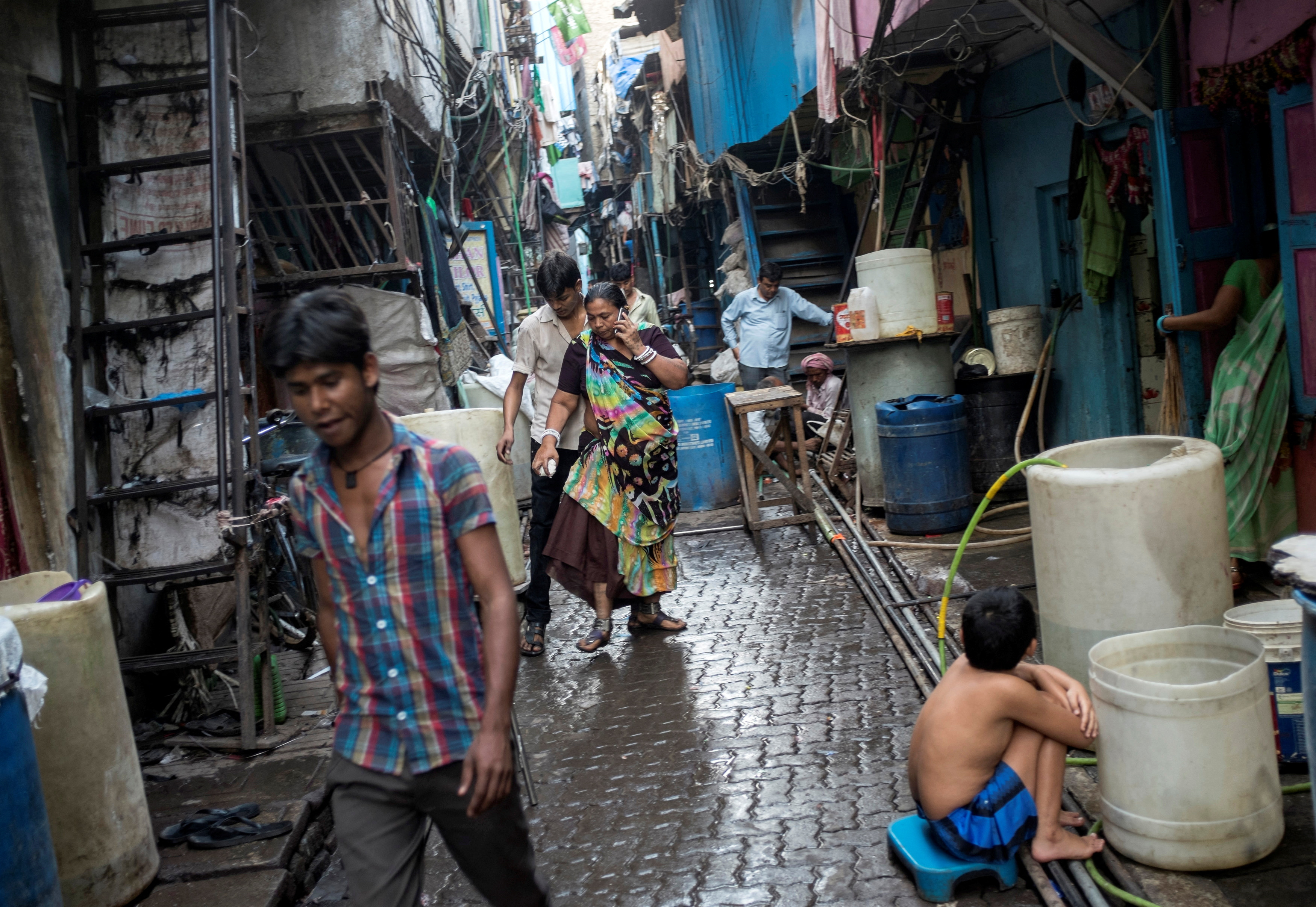
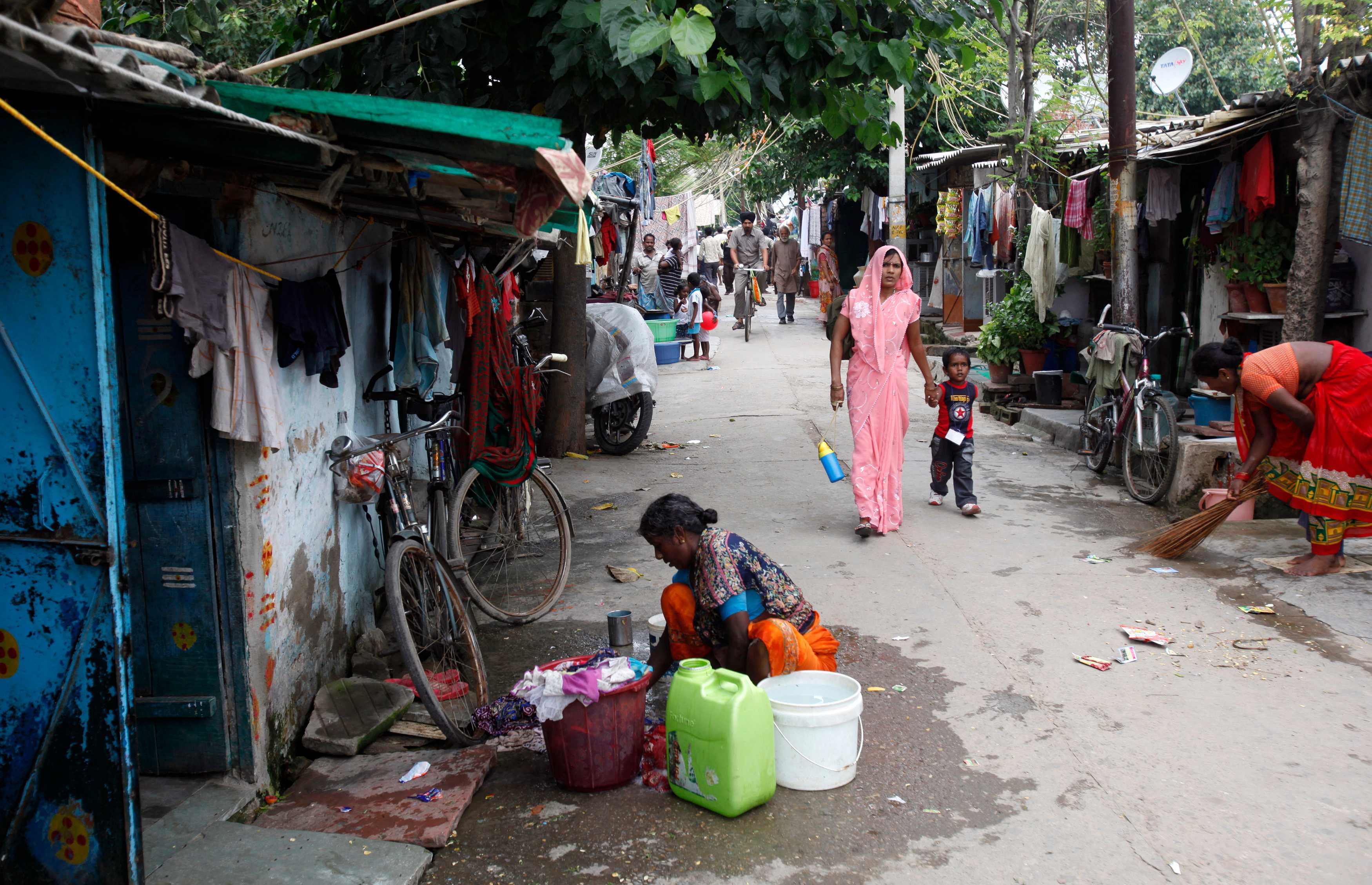
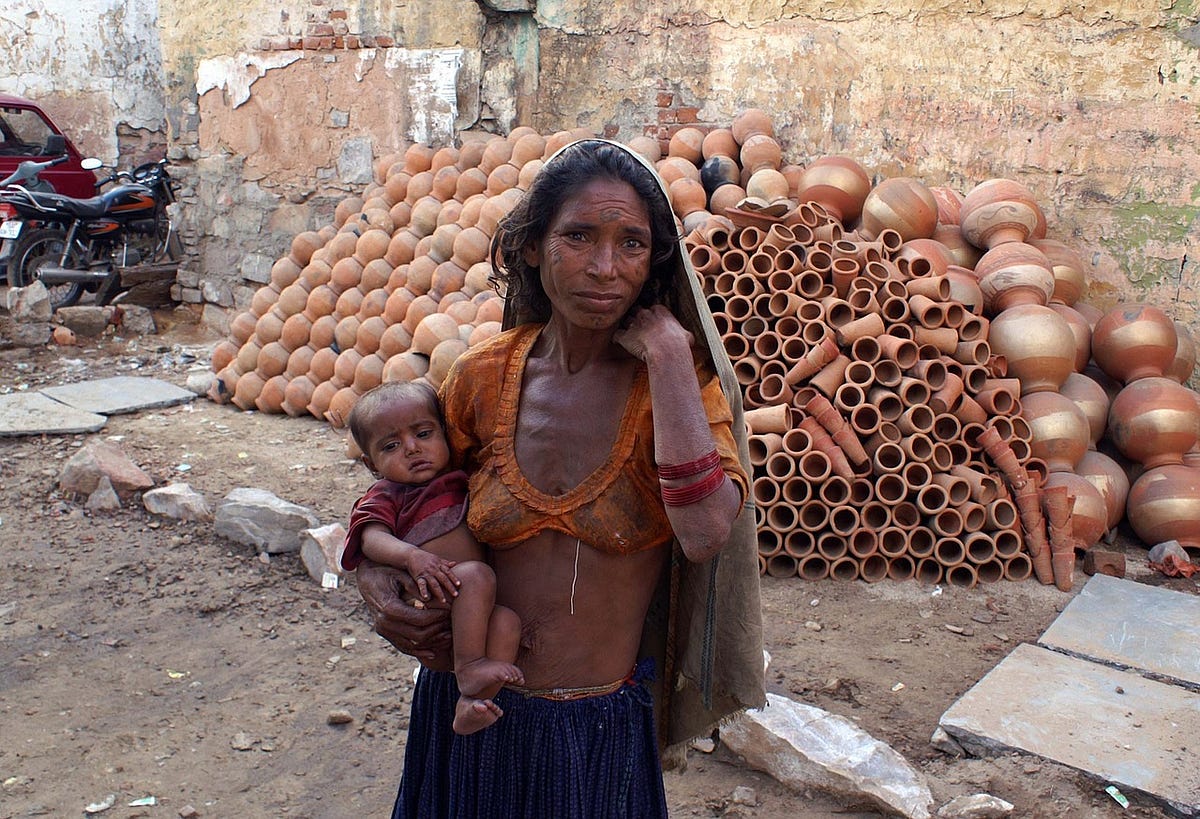
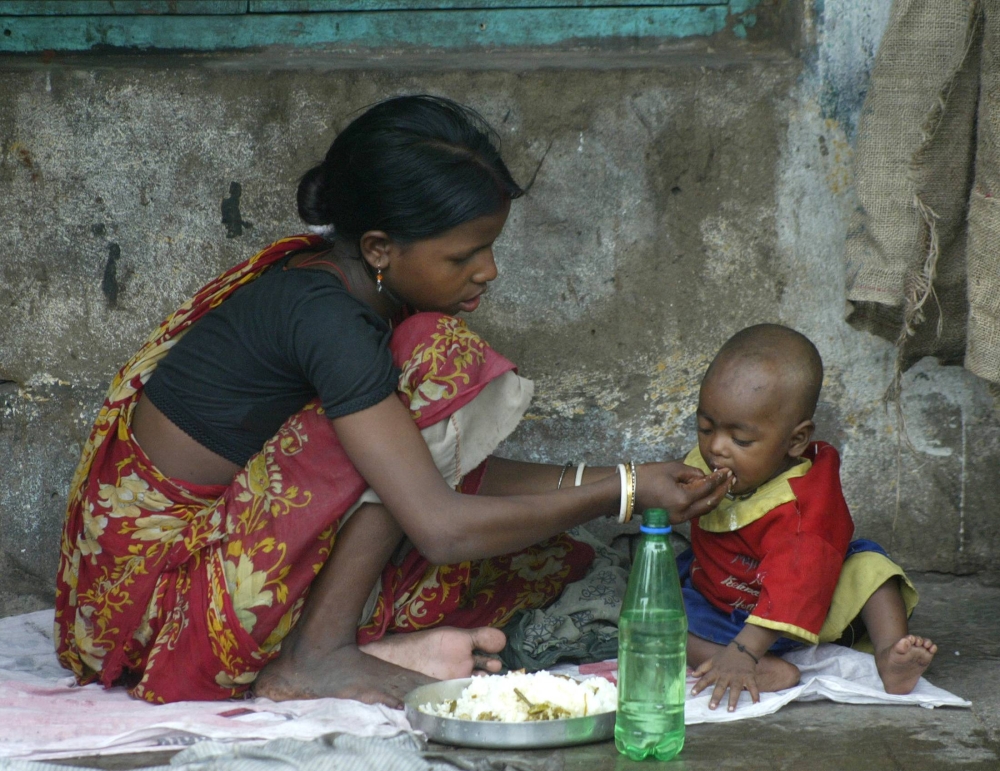
India offers a compelling starting point. Despite remarkable economic progress and a dramatic reduction in poverty over the past decade—thanks to growth, welfare programs, and digital infrastructure—the country still contains a sizable population segment living at levels comparable to sub-Saharan Africa’s extreme poverty. Recent estimates place India’s extreme poverty rate (around the $2.15–$3 per day line) in the low single digits nationally, but pockets of deep deprivation persist, especially in rural areas and among vulnerable groups. Millions still face hunger, malnutrition, and limited opportunity. Leveraging India’s Digital Public InfrastructureWhat makes India uniquely positioned for high-impact philanthropy is its world-class digital public goods. The Aadhaar biometric identification system, combined with UPI (Unified Payments Interface) and Jan Dhan bank accounts—the JAM trinity—has revolutionized last-mile delivery of benefits. Direct Benefit Transfers (DBTs) have already moved trillions of rupees with dramatically reduced leakage compared to traditional subsidy systems.
This infrastructure enables precise, transparent, and instantaneous cash transfers to identified beneficiaries. Targeting could focus on the poorest households using existing multidimensional poverty indices, consumption data, or Aadhaar-linked welfare rolls. Funds could flow straight into bank accounts linked to mobile phones, bypassing corrupt middlemen and inefficient NGOs. Recipients decide how best to use the money—for food, education, healthcare, or small investments—empowering them rather than dictating solutions from afar.
Pilot programs and scaled government schemes have demonstrated that such unconditional or lightly conditioned cash transfers reduce poverty effectively, improve nutrition, boost school attendance, and even enhance women’s agency. With OpenAI’s resources, the Foundation could supercharge this approach: not just incremental aid, but a decisive push toward eliminating extreme poverty in targeted regions or demographic groups.Zero Leakage, Measurable ImpactTraditional philanthropy often suffers from high administrative costs, mission drift, and uncertain outcomes. By contrast, direct cash transfers via Aadhaar-UPI offer near-zero leakage. Blockchain or public dashboards could provide real-time transparency on disbursements and allow rigorous evaluation through randomized studies or satellite/survey data.
The scale is feasible. A $130 billion endowment, even conservatively managed, could generate substantial annual payouts while preserving principal. Directed strategically, this could transform the lives of tens of millions, creating ripple effects through increased local consumption, human capital development, and economic mobility.A Catalyst for Silicon Valley PhilanthropyBeyond the direct good, such an initiative would set a powerful precedent. OpenAI’s success story—from nonprofit origins to world-changing valuation—already inspires awe. If its Foundation demonstrates that frontier technology wealth can be channeled into decisive, evidence-based poverty eradication, it could open the floodgates for other Silicon Valley leaders and AI-driven fortunes. Tech philanthropists, often criticized for pet projects or ineffective giving, would see a replicable model: identify a solvable problem, leverage proven infrastructure, deliver with radical efficiency, and measure relentlessly.
Critics might argue that AI companies should focus solely on safety, alignment, or technological breakthroughs. But abundance created by AI should ultimately serve humanity’s most pressing needs. Eradicating extreme poverty is not charity—it is a high-leverage investment in global stability, future markets, and shared prosperity that aligns perfectly with OpenAI’s founding mission.
The OpenAI Foundation stands at a historic juncture. With its unique resources and the world’s most sophisticated technology ecosystem behind it, it has the chance to do what few large philanthropies have achieved: deliver transformative, verifiable impact at scale. Starting with India’s remaining extreme poor via direct digital transfers would not only be effective policy—it would be a statement that the AI revolution’s gains can, and should, reach the world’s poorest first.


%3Afocal(1024%2C683)%2Fhttps%3A%2F%2Fmedia.globalcitizen.org%2F51%2F0c%2F510cc50f-144b-400b-b3b5-bcbc9e0d260d%2F34578131921_f8d0a3c4eb_k.jpg)










OpenAI began with noble intentions as a nonprofit dedicated to ensuring artificial general intelligence benefits all of humanity. But ambitious goals demand resources far beyond what donations and grants can provide. Scaling cutting-edge AI research required massive capital. So the nonprofit gave birth to a for-profit arm. Today, that structure has matured: the OpenAI Foundation, the nonprofit parent, controls the for-profit OpenAI Group (a public benefit corporation) and holds a substantial 26% equity stake—valued at approximately $130 billion based on recent valuations.
This ownership position has transformed the OpenAI Foundation into one of the world’s largest nonprofits by asset size, dwarfing many traditional philanthropic giants. With such resources at its disposal, the question becomes: What is the most effective way to deploy this capital for maximum human impact?The Case for Direct InterventionThe strongest answer may be the most straightforward: intervene directly to eradicate extreme poverty, with zero leakage to intermediaries, bureaucracy, or overhead. Rather than spreading funds across fragmented causes or research initiatives, the Foundation could target verifiable, immediate human suffering—lifting the world’s poorest out of destitution in a measurable, accountable way.
India offers a compelling starting point. Despite remarkable economic progress and a dramatic reduction in poverty over the past decade—thanks to growth, welfare programs, and digital infrastructure—the country still contains a sizable population segment living at levels comparable to sub-Saharan Africa’s extreme poverty. Recent estimates place India’s extreme poverty rate (around the $2.15–$3 per day line) in the low single digits nationally, but pockets of deep deprivation persist, especially in rural areas and among vulnerable groups. Millions still face hunger, malnutrition, and limited opportunity. Leveraging India’s Digital Public InfrastructureWhat makes India uniquely positioned for high-impact philanthropy is its world-class digital public goods. The Aadhaar biometric identification system, combined with UPI (Unified Payments Interface) and Jan Dhan bank accounts—the JAM trinity—has revolutionized last-mile delivery of benefits. Direct Benefit Transfers (DBTs) have already moved trillions of rupees with dramatically reduced leakage compared to traditional subsidy systems.
This infrastructure enables precise, transparent, and instantaneous cash transfers to identified beneficiaries. Targeting could focus on the poorest households using existing multidimensional poverty indices, consumption data, or Aadhaar-linked welfare rolls. Funds could flow straight into bank accounts linked to mobile phones, bypassing corrupt middlemen and inefficient NGOs. Recipients decide how best to use the money—for food, education, healthcare, or small investments—empowering them rather than dictating solutions from afar.
Pilot programs and scaled government schemes have demonstrated that such unconditional or lightly conditioned cash transfers reduce poverty effectively, improve nutrition, boost school attendance, and even enhance women’s agency. With OpenAI’s resources, the Foundation could supercharge this approach: not just incremental aid, but a decisive push toward eliminating extreme poverty in targeted regions or demographic groups.Zero Leakage, Measurable ImpactTraditional philanthropy often suffers from high administrative costs, mission drift, and uncertain outcomes. By contrast, direct cash transfers via Aadhaar-UPI offer near-zero leakage. Blockchain or public dashboards could provide real-time transparency on disbursements and allow rigorous evaluation through randomized studies or satellite/survey data.
The scale is feasible. A $130 billion endowment, even conservatively managed, could generate substantial annual payouts while preserving principal. Directed strategically, this could transform the lives of tens of millions, creating ripple effects through increased local consumption, human capital development, and economic mobility.A Catalyst for Silicon Valley PhilanthropyBeyond the direct good, such an initiative would set a powerful precedent. OpenAI’s success story—from nonprofit origins to world-changing valuation—already inspires awe. If its Foundation demonstrates that frontier technology wealth can be channeled into decisive, evidence-based poverty eradication, it could open the floodgates for other Silicon Valley leaders and AI-driven fortunes. Tech philanthropists, often criticized for pet projects or ineffective giving, would see a replicable model: identify a solvable problem, leverage proven infrastructure, deliver with radical efficiency, and measure relentlessly.
Critics might argue that AI companies should focus solely on safety, alignment, or technological breakthroughs. But abundance created by AI should ultimately serve humanity’s most pressing needs. Eradicating extreme poverty is not charity—it is a high-leverage investment in global stability, future markets, and shared prosperity that aligns perfectly with OpenAI’s founding mission.
The OpenAI Foundation stands at a historic juncture. With its unique resources and the world’s most sophisticated technology ecosystem behind it, it has the chance to do what few large philanthropies have achieved: deliver transformative, verifiable impact at scale. Starting with India’s remaining extreme poor via direct digital transfers would not only be effective policy—it would be a statement that the AI revolution’s gains can, and should, reach the world’s poorest first.
OpenAI’s Nonprofit Windfall: A Bold Case for Ending Extreme Poverty https://t.co/sXolaO1S2y @OpenAI @sama @gdb @ilyasut @woj_zaremba @miramurati @bradlightcap @kevinweil @markchen90 @billpeeb@aditya_ramesh @pabbeel @karpathy @jeffclune @ikostrikov @sharifshameem @nickturley
— Paramendra Kumar Bhagat (@paramendra) June 13, 2026

