
funny
— Paramendra Kumar Bhagat (@paramendra) March 31, 2026
How so?
— Sabeer Bhatia (@sabeer) April 1, 2026
I was in NYC at the time. Somebody from Boston called. Had read something in the news. Are you okay? I was not even aware it had happened. I am getting similar vibes in your story.
— Paramendra Kumar Bhagat (@paramendra) April 1, 2026
Let me ask you. Could this solara solve housing across India?
— Paramendra Kumar Bhagat (@paramendra) April 1, 2026
Team up with me. I will make your more money than Bill Gates. All you have to do is steps 1, 2 and 3.
— Paramendra Kumar Bhagat (@paramendra) April 1, 2026
India’s urban housing crisis is staggering. By some estimates, the country already faces a deficit of 9–10 million affordable homes in its cities, a gap that could balloon to 30 million units by 2030 if current trends hold. In top metros, the share of genuinely affordable housing supply (under ₹50 lakh) has plummeted to just 17% in recent years, even as luxury developments boom and push prices further out of reach for the middle and lower-middle classes.
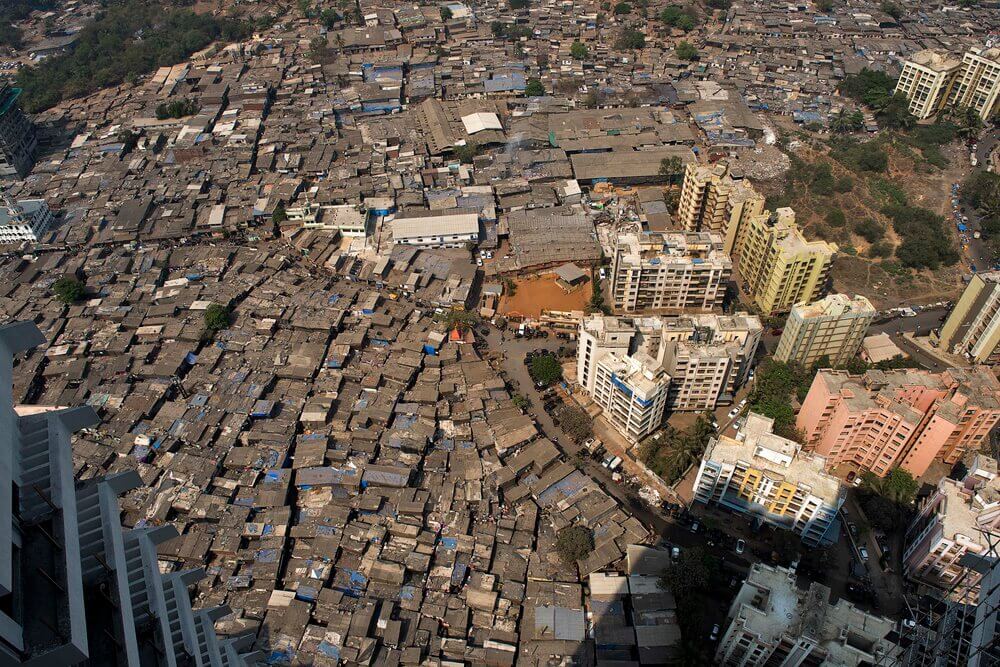
Slums sit cheek-by-jowl with gleaming high-rises—a visual reminder that traditional real-estate markets and government schemes alone have not scaled fast enough.

Yet a quiet experiment in Kathmandu offers a blueprint for something radically different—and potentially far more powerful.The Kalki Sena Drive Proof of ConceptJay Sah, a Nepali-origin entrepreneur now based in the United States, personally funded and launched Kalki Sena Drive—an Uber-style ride-hailing app in Kathmandu. From day one, 100% of the profits have gone to building and operating 200 free medical clinics across the city. The model is simple but disruptive: run the business with for-profit discipline, efficiency, and scale, then redirect every rupee of surplus into pure social impact. No traditional nonprofit overhead. No diluted mission from venture-capital profit demands.
Step two is already in motion: expand the same app to Delhi, backed by roughly $1 million from Indian-origin investors in the U.S. Those investors get their capital returned plus profit; after that, 100% of profits flow into free education and health projects in Delhi. Step three: launch the app in the U.S. market purely for profit, with those earnings funding education and health initiatives back in Nepal and India. Meanwhile, the Kathmandu operation evolves into a “super app” (ride-hailing + food delivery + more), generating even larger profit pools for social good.
This isn’t charity dressed up as business. It’s a fusion model that captures the best of both worlds: the razor-sharp execution, user acquisition, and technological innovation of a Silicon Valley startup, married to the uncompromising social mission of the most effective nonprofits.The Reverse Play: PropTech in the U.S. Funds Housing in IndiaNow imagine applying the exact same logic—but in reverse, and targeted squarely at India’s housing crisis.
A PropTech startup launches in the United States. It builds cutting-edge tools: AI-powered rental platforms that match tenants with verified affordable units, modular-construction management software that slashes build times and costs, prop-financing apps that unlock micro-mortgages for low-income buyers, or co-living networks optimized for young urban migrants. The company operates like any other high-growth tech venture—raising capital, hiring top talent, scaling through network effects.
But here’s the twist that changes everything: 20% of the company is owned outright by a foundation. Founders and early employees have the option to split their own equity: retain voting control to run the business aggressively, but donate the economic upside (dividends, exit proceeds) to the foundation. That foundation, in turn, seeds and scales “super apps” and PropTech platforms in India and Nepal. Those Indian operations run with the same 100%-profits-to-impact rule—funding not just clinics or schools, but actual housing solutions: land acquisition for affordable developments, subsidies for modular homes, tech-enabled rental guarantee programs, or vocational training tied to construction jobs.
The U.S. entity benefits from deeper capital markets, easier access to AI talent, and Indian-diaspora investors who want both financial returns and measurable impact back home. The Indian side benefits from battle-tested technology, global best practices, and a funding engine that never has to choose between growth and mission.Why This Hybrid Model Is SuperiorTraditional for-profit PropTech players chase high-margin luxury or commercial segments because that’s where the venture math works. Traditional nonprofits lack the capital and tech sophistication to scale at the speed urbanization demands. Cooperatives like Amul have shown what community ownership can achieve, but they rarely harness frontier technology or global capital at startup velocity.
This new fusion delivers:
- For-profit scale and efficiency without the usual pressure to extract maximum dividends for outside investors.
- Nonprofit purity of mission backed by plentiful resources and data-driven execution.
- Built-in trust and adoption in India—users know that using the app literally builds homes, clinics, and schools.
- Network effects across borders—U.S. profits de-risk Indian expansion; Indian social impact becomes a powerful marketing story that attracts mission-aligned U.S. talent and capital.
A U.S.-headquartered PropTech company structured this way wouldn’t just participate in India’s housing market. It could help rewire it—making affordable, dignified housing abundant rather than scarce, and doing so with the same relentless innovation that turned ride-hailing into a global industry.
The question is no longer whether technology can solve housing. The question is whether we have the courage to redesign the business model so that technology must solve housing—because profit and purpose are no longer in conflict.
They are the same engine.
India’s housing crisis isn’t abstract statistics—it’s visible from any Mumbai high-rise overlooking Dharavi or a Patna slum edging the Ganges. As of 2025, urban India faces a shortfall of 9.4 million affordable homes, a gap projected to hit 30 million units by 2030 if trends continue. In the country’s top cities, the share of new homes priced under ₹50 lakh has collapsed from 52% in 2018 to just 17% today, while luxury towers multiply. Government schemes like PMAY have built millions of units, yet the poorest remain trapped in cycles of informal settlements, high rents, and substandard shelter.
The hybrid PropTech model we outlined earlier—U.S.-based tech startup with 20% foundation ownership, founders splitting equity to funnel economic upside into impact, and 100% profits from Indian “super apps” redirected to social good—offers a new path. Here’s exactly how the foundation arm would play out: not as another bureaucratic handout, but as a precision-engineered engine for dignified, climate-smart housing for the absolute poorest.Precision Targeting: Aadhaar as the BackboneThe foundation wouldn’t guess who needs help. It would partner directly with the governments of India and Nepal to identify and verify beneficiaries using existing biometric systems.
In India, every household would be cross-checked via Aadhaar—the world’s largest digital ID database, already mandatory for Direct Benefit Transfer (DBT) in schemes like PMAY and MGNREGS. Eligibility would prioritize the poorest of the poor: landless families, those in kutcha (mud-thatched) homes, EWS (Economically Weaker Sections) with verified income below poverty lines, and no prior government housing. No middlemen. No leakages. A simple Aadhaar-linked app or portal would flag verified families in real time.
Nepal, while smaller in scale, could mirror this with its national ID system and poverty mapping, focusing first on the most marginalized districts like Jajarkot, Achham, and rural pockets hit hardest by poverty and disasters.
Rollout starts deliberately in the poorest states and regions: Bihar, Uttar Pradesh, Jharkhand, and Odisha in India; Nepal’s far-western and mid-western hills. These areas have the highest concentrations of informal housing, rural distress, and climate vulnerability. Only after proving the model at scale would it expand to urban fringes and secondary cities.

In Bihar’s subtropical climate—scorching summers, monsoon deluges, and humid winters—modern concrete and brick often backfire. They trap heat, demand massive energy for cooling, and crack under floods. Traditional earthen architecture, by contrast, is perfectly adapted. Thick mud walls (rammed earth, adobe, or cob) provide natural thermal mass: they absorb daytime heat slowly and release it at night, keeping interiors 5–10°C cooler without air conditioning. They breathe, regulating humidity and preventing mold. Local soil is free or near-free; construction requires minimal imported materials and creates jobs for village masons, potters, and women’s self-help groups who have practiced these techniques for generations.
This isn’t romantic nostalgia—it’s cutting-edge sustainability. Mud construction slashes the carbon footprint by 80–90% compared to cement (one of the world’s largest emitters). It’s resilient to earthquakes when reinforced with local timber or straw, and far cheaper: a basic 300 sq ft home could cost a fraction of PMAY’s concrete unit while lasting decades with simple annual maintenance (cow-dung plastering, a traditional skill).
The foundation would fund exactly this: climate-appropriate, zero-frills homes designed by local architects who blend ancestral knowledge with modern tweaks—raised plinths for flood zones, solar roofs, rainwater harvesting, and bio-toilets. PropTech from the U.S. parent company would optimize everything: AI-driven site selection using satellite data and government land banks, modular prefabricated mud-stabilized blocks for faster builds, supply-chain apps to source local soil and labor, and a beneficiary app for tracking construction progress.
Profits from the U.S. PropTech operations (rental platforms, modular construction software, AI property management) and the Indian super app (ride-hailing evolving into delivery, payments, and even housing services) flow straight into this pipeline. No dilution. No investor pressure to chase luxury margins. One million U.S. dollars seeded in Delhi’s ride-hailing expansion becomes tens of millions in housing impact within years.


This fusion flips the script:
- For-profit muscle meets nonprofit purity: U.S. venture discipline + Indian execution at super-app scale delivers efficiency and abundance.
- Built-in accountability: Every rupee traceable via Aadhaar-linked blockchain ledgers. Beneficiaries become co-owners through sweat equity or micro-contributions.
- Cultural and environmental resonance: Mud homes don’t just shelter—they restore dignity and pride in “going back to the roots,” much like khadi cloth symbolized self-reliance during the freedom struggle. White cotton for the heat; local mud for the earth.
- Multiplier effects: Local jobs in construction and maintenance. Reduced urban migration pressure. Lower healthcare costs from better living conditions. A blueprint for Nepal’s earthquake- and flood-prone villages.
This isn’t incremental aid. It’s a quiet revolution: technology scaling tradition, capital serving the marginalized first, and a business model that finally aligns incentives so that solving housing for the poorest becomes not just possible—but inevitable. The U.S. PropTech startup doesn’t just participate in India’s future. It helps rebuild it from the soil up.
In the hybrid PropTech model we’ve been exploring, a U.S.-based startup with foundation ownership channels profits into housing the poorest—starting in Bihar and Nepal’s most vulnerable regions. The foundation doesn’t import concrete or steel. It turns to the soil beneath people’s feet. Mud construction isn’t a step backward; it’s a climate-smart, zero-carbon revival of techniques perfected over millennia in India and Nepal. These methods use locally sourced earth, straw, and water to create homes that stay cool in Bihar’s scorching summers, resist humidity, and cost a fraction of conventional builds—while creating jobs for local artisans and women’s groups.
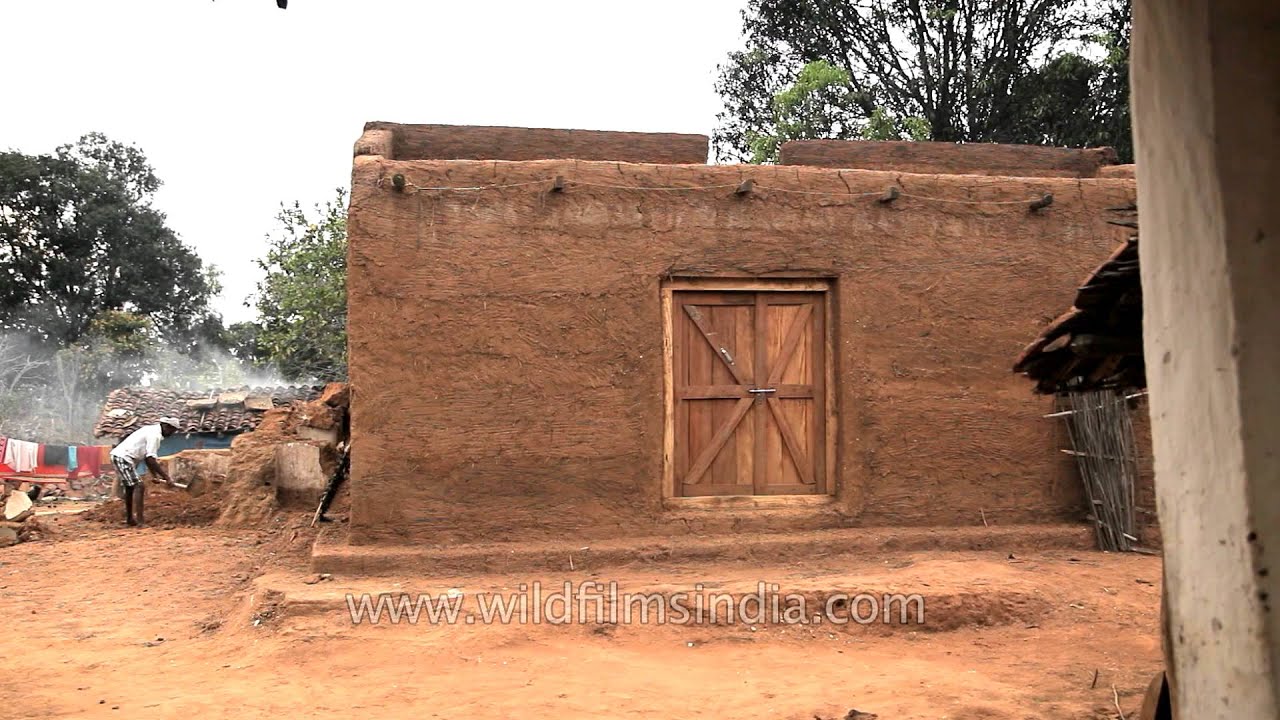
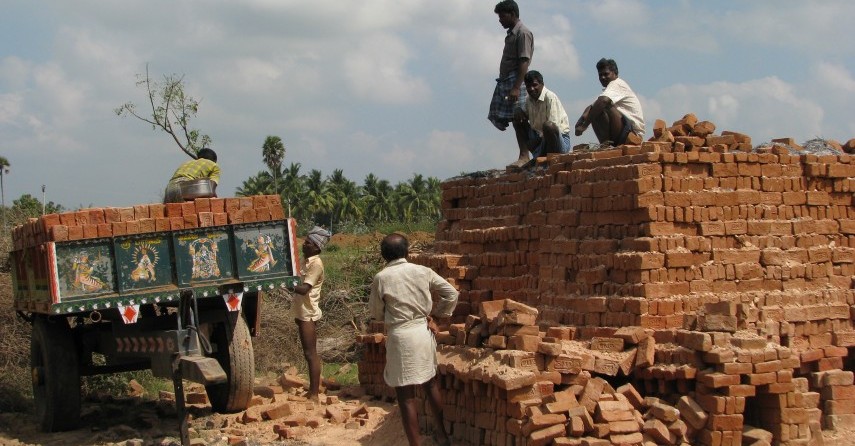
Bihar’s subtropical monsoon climate—intense heat (up to 45°C), heavy rains, and flood-prone plains—makes modern concrete problematic: it traps heat, cracks under moisture, and demands energy for cooling. Traditional earthen architecture, by contrast, offers natural thermal mass, breathability, and resilience when properly adapted. Here’s a deep dive into the core mud-building techniques, their mechanics, advantages, and how they could scale through the foundation’s Aadhaar-verified, tech-optimized pipeline.1. Rammed Earth (Pise): Compressed Strength for Load-Bearing WallsRammed earth is one of the oldest and most durable techniques. Moist subsoil (ideally 40% clay, 50-60% sand/gravel, sometimes stabilized with lime) is placed in temporary wooden or metal formwork and compacted in 10-15 cm layers using manual tampers or pneumatic tools. Once the formwork is removed, the wall cures into a solid, monolithic structure up to 60 cm thick.
Process in practice:
- Soil is tested and mixed on-site.
- Layers are rammed to 90-95% density.
- Walls can rise 3-5 meters; openings for doors/windows are formed during ramming.
Pros: Fireproof, termite-resistant (with additives), seismic-friendly when reinforced with bamboo or timber.
Cons: Labor-intensive; needs weather protection during construction.
Modern twist in the model: PropTech AI analyzes local soil via smartphone apps, optimizes mix ratios, and uses modular formwork for faster builds.
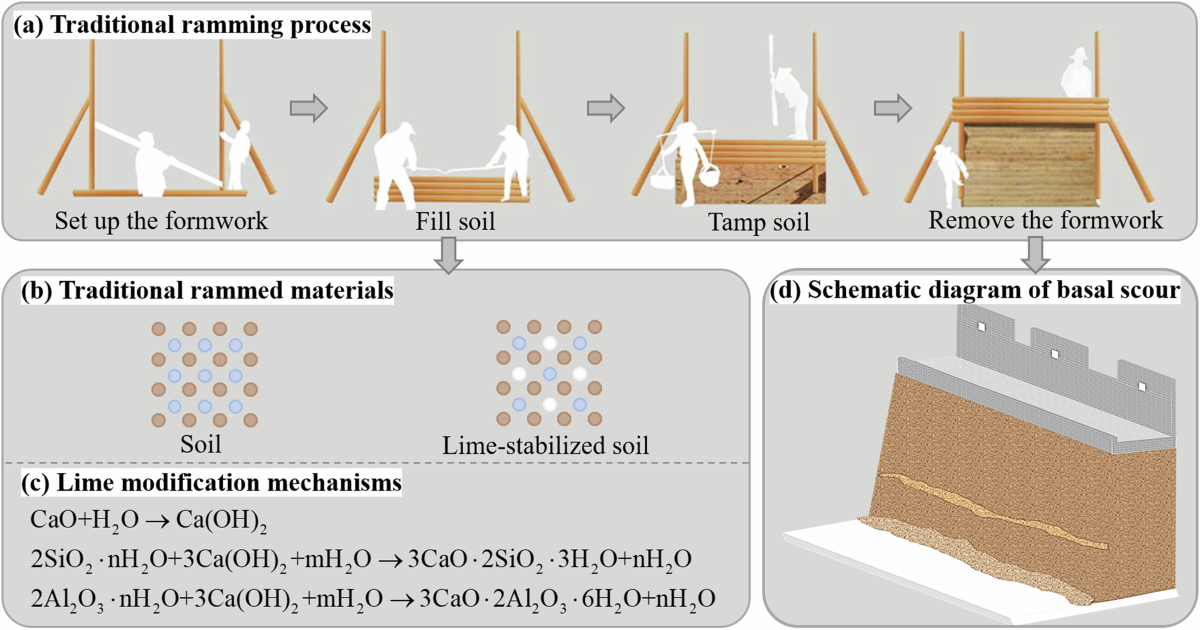

Traditional Bihar/Nepal practice: Rural homes and village structures still use adobe where soil is abundant. Women and community groups often handle brick-making, preserving skills passed through generations.
Advantages for the poorest: Extremely low cost (local soil + labor); breathable walls regulate humidity and prevent mold. A 300 sq ft home can be built for a fraction of PMAY concrete units.
Adaptations: Stabilize with 5-10% lime or cement (hybrid) for flood resistance; pair with thatched or tiled roofs and raised foundations.
In the foundation model: Verified Aadhaar beneficiaries receive kits with pre-tested soil mixes; super-app logistics coordinate straw and labor, turning construction into paid community work.
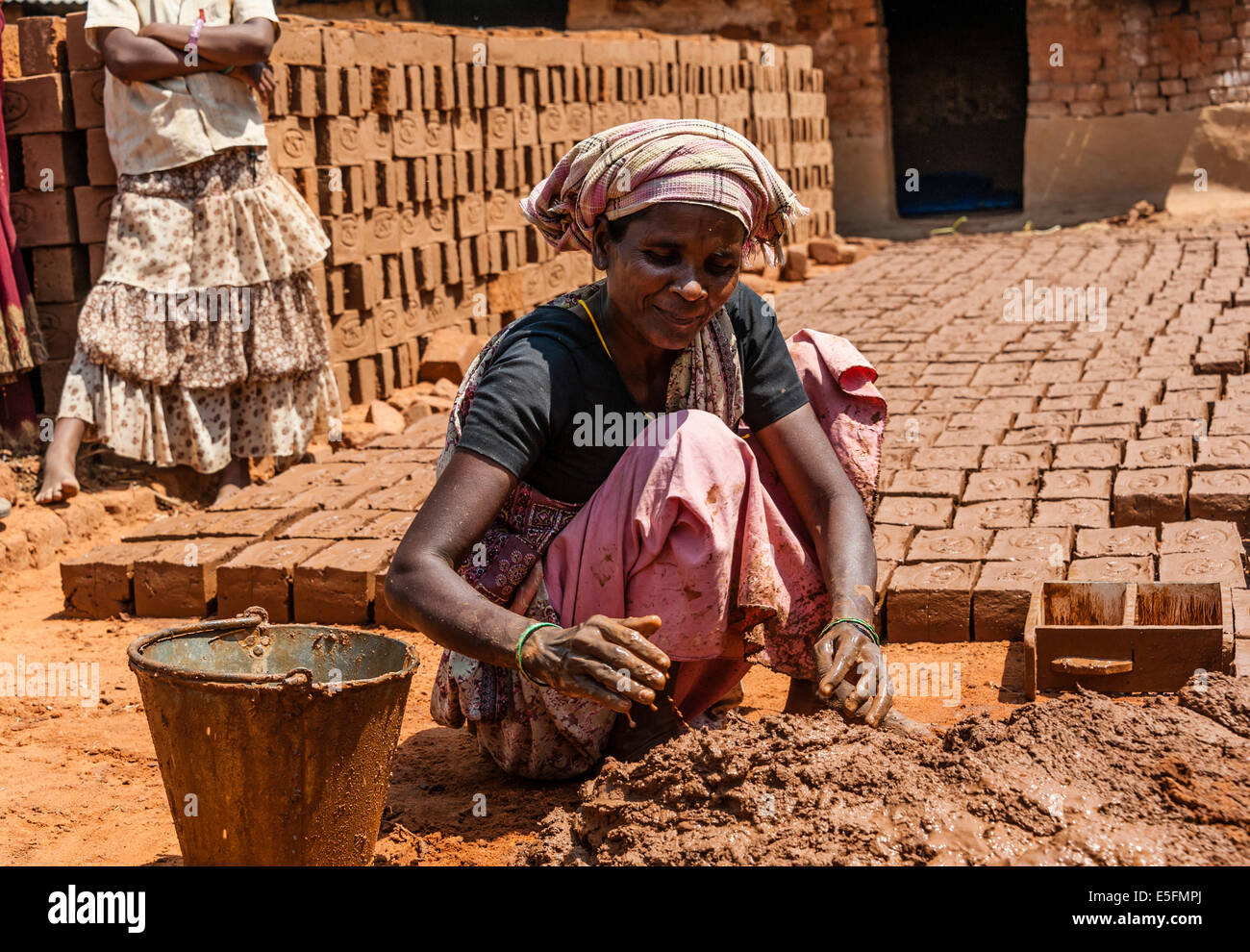
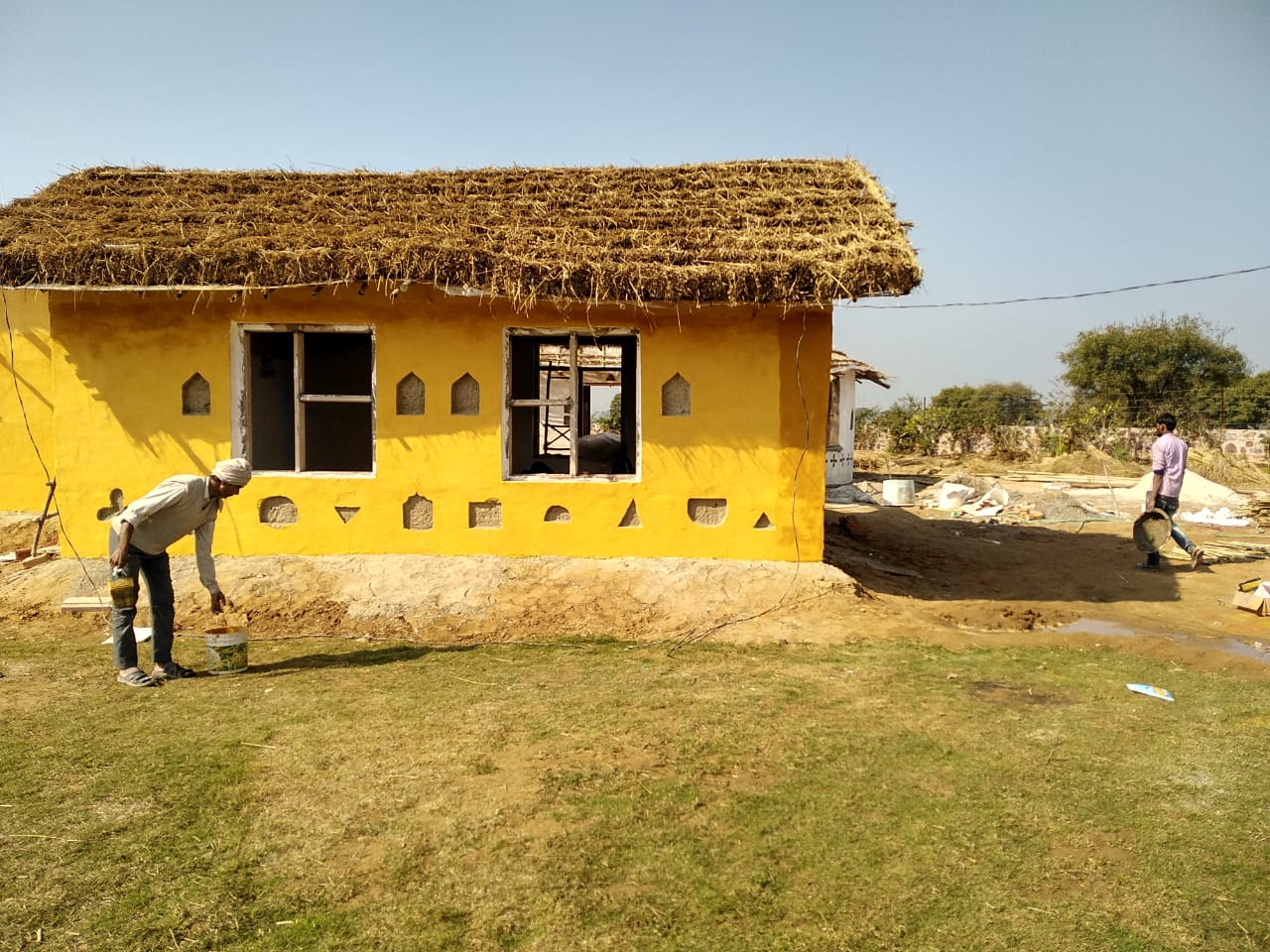
Why Bihar loves it: Perfect for curved, organic designs that blend with village aesthetics. High fiber content makes it flexible and crack-resistant.
Process: Build in lifts, allow partial drying between layers, sculpt niches/windows as you go.
Modern revival: Nepal’s Sustainable Future projects blend cob with bamboo for earthquake resilience; Indian architects in Rajasthan and Gujarat are reviving it for eco-homes.
Pros: Zero waste, artistic freedom, excellent insulation.
Cons: Slower build; requires skilled hands (but trainable via foundation workshops).
PropTech edge: 3D modeling apps simulate cob forms, while drone/site data ensures flood-safe siting.

Bihar suitability: Ideal for non-load-bearing elements in flood-prone areas—lightweight, quick to repair, and highly breathable.
Process: Frame structure first (timber/bamboo), weave wattle, apply daub in layers, finish with limewash.
Pros: Cheap, repairable by homeowners, excellent for ventilation.
Cons: Less durable in heavy rain without overhangs.

- Zero-carbon footprint: 80-90% lower emissions than cement.
- Thermal comfort: High mass + breathability = naturally cool summers, warm winters.
- Local economy: Soil from the site, straw from farms, jobs for masons and SHGs.
- Resilience: When raised on plinths, stabilized lightly, and roofed properly, they withstand Bihar’s monsoons and Nepal’s seismic zones better than brittle concrete.
Mud isn’t primitive. It’s proven, adaptive, and abundant. In a world racing toward concrete jungles, this fusion model proves the future of housing may well be dug straight from the earth—cooler, cheaper, and kinder to the planet. The poorest states of India and Nepal aren’t waiting for imported solutions. They’re standing on them.
In the hybrid PropTech foundation model, U.S.-sourced profits fund climate-smart earthen homes—rammed earth, adobe, cob, and wattle-and-daub—starting in Bihar’s flood-prone plains and Nepal’s seismic hills. Mud alone excels at thermal comfort and zero-carbon construction, but it lacks tensile strength and can crack under earthquakes (Bihar and Nepal sit in high-risk seismic zones IV and V). Enter bamboo: nature’s rebar. Abundant, renewable, and locally grown across the Gangetic plains and Himalayan foothills, bamboo is lightweight yet stronger in tension than steel by weight. Its natural flexibility lets structures sway during quakes and spring back—proven in Nepal’s 2015 earthquake, where bamboo-reinforced earth buildings survived while concrete ones collapsed.
These reinforcement techniques blend ancestral Indian and Nepali wisdom with simple, scalable methods. They require no imported steel or cement, create jobs for village artisans and women’s self-help groups, and integrate seamlessly with the foundation’s Aadhaar-verified rollout.1. Vertical Bamboo Poles: Corner and Wall Bracing for Lateral StabilityVertical bamboo acts like external or internal columns, anchoring walls against shear forces.
Process:
- Select mature, straight culms (poles) of local species like Bambusa balcooa or Dendrocalamus strictus, treated with borax or smoke for pest resistance.
- Place thick poles (8–12 cm diameter) at corners, door/window jambs, and every 1–2 meters along walls.
- Drill or notch through-wall holes; thread polypropylene string, wire, or split-bamboo ties through the mud wall to connect inner and outer poles.
- For retrofits or new builds: embed poles during ramming (rammed earth) or plaster over them (cob/adobe).
PropTech twist: Foundation apps use smartphone photos and AI to scan local bamboo quality and suggest optimal spacing.

Process:
- Install continuous horizontal bands at plinth (base), lintel (door/window height), and roof levels.
- Use whole poles, split bamboo strips, or woven bamboo mats laid flat and tied.
- For ring beams: lash bamboo poles into a continuous timber-like beam at the wall top, anchored to verticals with wire or rope. Top with a lightweight bamboo roof truss.
- In rammed earth: place bands between layers every 30–50 cm of height.
Seismic proof: This creates a rigid-yet-flexible box. Shake-table tests on adobe showed vertical bamboo + horizontal wire/fencing + ring beam delayed cracking and prevented collapse even in severe shaking.

Process:
- Split culms lengthwise into thin strips (1–2 cm wide).
- Weave into mats or grids and embed inside walls during construction: for rammed earth (between layers), cob (kneaded in), or wattle-and-daub (as the “wattle” lattice itself).
- In adobe: place mesh between brick courses or as external wrapping.
- Plaster over with mud-cow-dung mix for breathability.
Modern low-tech upgrade: Combine with light lime stabilization for flood-prone Bihar soils.

- Bamboo roof truss: Lightweight second storey or roof structure sways independently, reducing load on earth walls (common in Nepal’s Abari-style builds).
- Raised plinth with bamboo: Stone or stabilized-mud base with embedded bamboo dowels connects to wall reinforcement.
- Treatment: Soak in boric acid or traditional neem smoke; modern Cement Bamboo Frame Technology (CBFT) adds durability for Nepal’s monsoons.
- Seismic + climate resilience: Flexibility absorbs Bihar/Nepal quakes; breathable earth + bamboo handles humidity and floods when raised on plinths.
- Economics: Local bamboo costs pennies per pole; entire reinforcement for a 300 sq ft home adds minimal expense while slashing cement use by 80–90%.
- Social impact: Training programs via the super-app employ local masons and SHGs; Aadhaar verification ensures the poorest benefit first.
- Scalability: U.S. PropTech provides design software (seismic simulation) and supply-chain logistics; Indian execution stays hyper-local.
The Kalki Sena Drive super-app already scales profits into impact. Now it can deliver not just houses—but homes that last. In Bihar villages and Nepali hills, families will move from flood-prone thatch to reinforced earth-and-bamboo sanctuaries funded by global tech profits. The hybrid model proves it: tradition + innovation = abundance for the poorest, built from the ground up.
Stage 1: Release 100K. For the ideation phase. Three months.
— Paramendra Kumar Bhagat (@paramendra) March 29, 2026
Stage 2: Release 2M to build the digital team. Three months.
Stage 3: Release 10M for the offline pilot project.
And so on. @mcuban 👇👆
Could a U.S. PropTech Startup Solve India’s Housing Crisis? A Revolutionary Hybrid Business Model https://t.co/3XqoaGmqyZ
— Paramendra Kumar Bhagat (@paramendra) April 1, 2026
🏠 PropTech Fusion: Solving India's Housing Crisis Through Hybrid Business Models https://t.co/2jkvPbqYB2
— Paramendra Kumar Bhagat (@paramendra) April 1, 2026
🏠 प्रॉपटेक हाइब्रिड मॉडल: भारत का गृह संकट और समाधान https://t.co/uAF9i1hhtz
— Paramendra Kumar Bhagat (@paramendra) April 1, 2026
So @Sabeer Give me 5 reasons why you will not invest. You are not even engaging.
— Paramendra Kumar Bhagat (@paramendra) April 2, 2026
Why 75M at a 750M valuation. Because, round 1 raise has to put the product into the market. 3 steps.
— Paramendra Kumar Bhagat (@paramendra) April 2, 2026
Step 1: 100K. Ideation phase. 3 months.
Step 2: 2M. Building the core digital team. Three months.
Step 3: 10M. Pilot Project.
Step 4: 62.9 M to put the first product out.
Step 4 can be someone else. Your choice. You could choose to top out at 12.1 M.
— Paramendra Kumar Bhagat (@paramendra) April 2, 2026