
— Elon Musk (@elonmusk) April 6, 2026
What is missing is the business model that takes it to everyone. Solution: turn the robotaxi into the public bus. You ride for a few bucks.
— Paramendra Kumar Bhagat (@paramendra) April 6, 2026
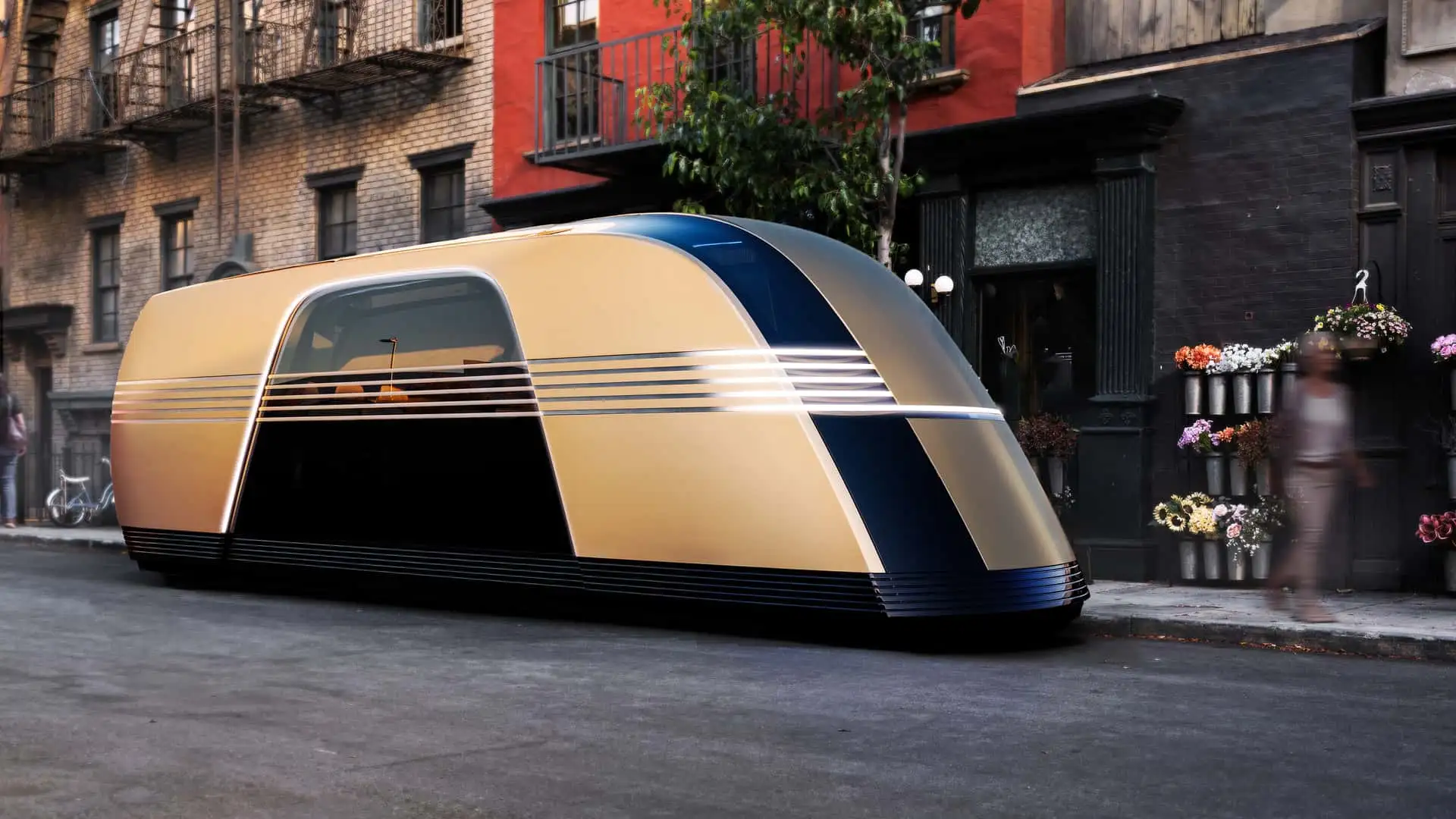
Revolutionizing Public Transit: How Tesla's Robotaxis Could Become the Affordable "Public Bus" for Everyone
In a recent exchange on X, entrepreneur and activist Paramendra Bhagat replied to Elon Musk with a sharp insight into Tesla's autonomous future. While praising the life-saving potential of Full Self-Driving (FSD) technology, Bhagat zeroed in on the real gap: "What is missing is the business model that takes it to everyone. Solution: turn the robotaxi into the public bus. You ride for a few bucks."
As Tesla ramps up its Robotaxi service—now live in Austin, Texas, with unsupervised rides in Model Y vehicles and Cybercab production just beginning at Giga Texas—this idea isn't just visionary. It's the logical next step. By slashing costs through autonomy, scaling availability across cities and suburbs, and blending fixed-route autonomous shuttles with on-demand last-mile service, Tesla could transform robotaxis into the backbone of public transportation. No more waiting for infrequent buses or overpriced rideshares. Just safe, electric, point-to-point mobility for a few dollars a ride.Tesla's Robotaxi Momentum in 2026Tesla has already taken major strides. The company launched its Robotaxi network in Austin earlier this year, using modified Model Y vehicles for commercial passenger service. Fully driverless operations are expanding, with plans to roll out across more U.S. cities by year's end and customer-owned vehicles joining the fleet in 2026. The purpose-built Cybercab— a sleek, two-seater autonomous vehicle with no steering wheel or pedals—entered production in April 2026 at Giga Texas. Priced around $30,000 to build, these vehicles are engineered for extreme efficiency and minimal maintenance.
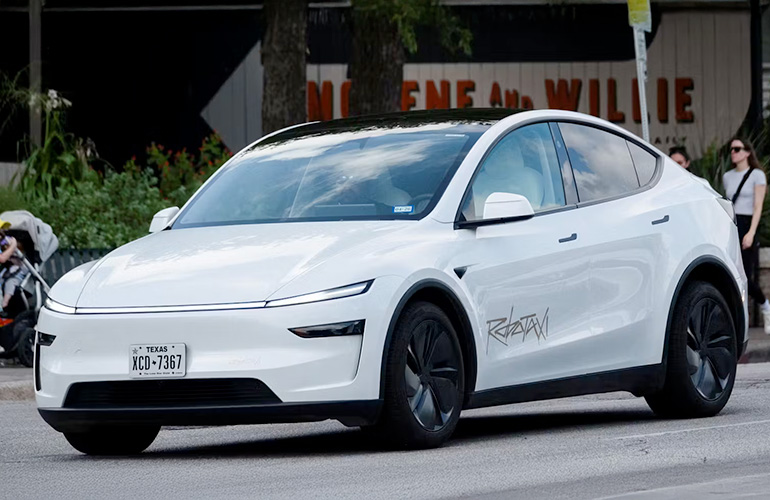
A white Model Y Robotaxi spotted in Austin streets—part of Tesla's early commercial fleet.
Elon Musk has repeatedly emphasized the economics: a Robotaxi ride could soon cost less than a bus or subway ticket. With no driver to pay, ultra-low energy costs from electric powertrains, and high utilization rates (vehicles operating 24/7), the per-mile cost plummets. Tesla's projections point to the lowest transportation cost per mile in history—potentially under 20 cents—making it cheaper than owning a car for many users.
But affordability alone isn't enough for mass adoption. The missing link, as Bhagat noted, is rethinking the entire model as public infrastructure.The Hybrid Model: Self-Driving Buses on Fixed Routes + Robotaxis for the Last MileImagine this seamless system:
- Autonomous "buses" on set routes: Tesla's Robovan, unveiled in 2024, is designed for up to 20 passengers. Picture fleets of these (or similar larger autonomous vehicles) running high-frequency routes along major corridors—downtown loops, suburban arteries, airport connectors. No schedule gaps, no traffic delays from human drivers. They handle bulk commuter flows efficiently, like a modern BRT (bus rapid transit) system but fully electric and self-driving.
The Tesla Robovan: A futuristic autonomous van capable of carrying 20 passengers, ideal for fixed-route public transit.
- On-demand Robotaxis for the last few miles: Hop off the Robovan at a hub and summon a Cybercab or Model Y Robotaxi via the Tesla app for the final leg to your door, office, or store. These nimble, two-seater (or small-group) vehicles excel in dense neighborhoods, rural extensions, or off-peak times where big buses don't make sense. With geofenced expansion and FSD improvements, coverage could reach 70% of the U.S. population rapidly.

Tesla's Cybercab: The dedicated robotaxi designed for low-cost, high-volume autonomous rides.
This hybrid isn't speculative—it's a natural evolution. Tesla's app already supports ride requests, and the network can integrate with existing public transit apps. Owners could earn passive income by adding their cars to the fleet during off-hours, flooding the system with vehicles and driving prices even lower. For riders, it's simple: a few bucks for a door-to-door trip, accessible via smartphone, with space for wheelchairs, service animals, or groceries. Why This Changes EverythingAccessibility for all: Traditional public transit often fails the suburbs, nights, or low-density areas. Robotaxis fill those gaps without massive taxpayer-funded infrastructure. Ride for a few bucks—cheaper than gas, parking, or even some bus passes.
Efficiency and scale: Fixed-route autonomous buses maximize throughput on busy paths. Last-mile robotaxis minimize empty seats and deadheading. The result? Less congestion than private cars, optimized routing via AI, and 24/7 availability.
Sustainability and safety: All-electric fleets cut emissions. FSD is already approaching 99% crash reduction in testing, with insurance premiums expected to drop sharply. No more drunk driving or fatigue-related accidents.
Economic ripple effects: Cities save on bus driver salaries and maintenance. Riders reclaim time. Tesla shifts from carmaker to mobility platform, with recurring revenue from rides, data, and software updates.
Critics worry about induced demand (more cars on roads), but the math favors shared fleets: one robotaxi can replace multiple personal vehicles, and high occupancy on routes keeps traffic in check. Integration with rail, bikes, and walking paths could make it even better.Challenges Ahead—But SolvableRegulatory hurdles remain (approvals vary by city and state), and public trust in full autonomy will build gradually through data from Austin pilots. Charging infrastructure and equitable access in underserved areas need planning. Yet Tesla's vertical integration—hardware, software, manufacturing—gives it an edge over fragmented competitors.
Musk has hinted at this future for years, and the 2026 timeline aligns perfectly. Production ramps, FSD v14+, and customer fleet integration could make "the robotaxi as public bus" a reality within years.The People's Mobility RevolutionMy tweet captures the essence: the technology exists. The business model—ultra-low fares, hybrid fixed/on-demand service, ubiquitous deployment—makes it universal. Tesla isn't just building cars or taxis; it's redefining how we move.
In a world of traffic jams, unreliable buses, and car dependency, this could be the great equalizer.
Affordable, safe, electric transport for everyone, everywhere. The public bus of the future isn't coming—it's already rolling out in Austin, and it's autonomous.
The only question left: How soon until your city joins the network?
Revolutionizing Public Transit: How Tesla's Robotaxis Could Become the Affordable "Public Bus" for Everyone https://t.co/jdmaKaxcUq 👇
— Paramendra Kumar Bhagat (@paramendra) April 6, 2026
Door-to-door for a few bucks. #TeslaRobotaxi 👇
— Paramendra Kumar Bhagat (@paramendra) April 6, 2026
No driver, no delays—just seamless public transit 2.0. 👇
— Paramendra Kumar Bhagat (@paramendra) April 6, 2026
A smart public transportation system makes bus schedules unnecessary. Your app takes you Point A to Point B as fast as possible. 24/7. 👆
— Paramendra Kumar Bhagat (@paramendra) April 6, 2026
The Robotaxi Revolution: Cost Innovation That Unlocks Latent Mobility for Everyone
In a world where transportation has long been constrained by high costs, limited supply, and rigid infrastructure, one simple equation changes everything: If a robotaxi ride costs the same as—or less than—a public bus ticket today, the math says it goes everywhere. This isn’t merely an engineering breakthrough. It is first and foremost a cost innovation, and it is revolutionary. As one insightful observer put it, this mirrors Airbnb unlocking spare rooms that were already there, waiting for the right business model. All those rides are already latent in our roads, vehicles, and daily movements. Soon, a scalable platform could make them materialize. All those mobility questions already exist in people’s minds. But we needed something like Google to show up—so people could finally “ask” and get answered instantly and affordably.
Tesla’s robotaxi vision is hitting this inflection point right now. With unsupervised rides operating in Austin since mid-2025 and Cybercab production kicking off in April 2026 at Giga Texas, the pieces are falling into place. Early pricing in Austin has seen adjustments—recently around $3 base plus $1.40 per mile—but at full scale, Tesla targets an all-in cost of roughly $0.18–$0.25 per mile. For a typical 3–5 mile trip, that translates to a few dollars or less. Cheaper than many bus fares. Cheaper than gas, parking, or rideshares. And because there’s no driver, no massive infrastructure buildout, and vehicles run 24/7 at high utilization, the economics flip the entire industry on its head.
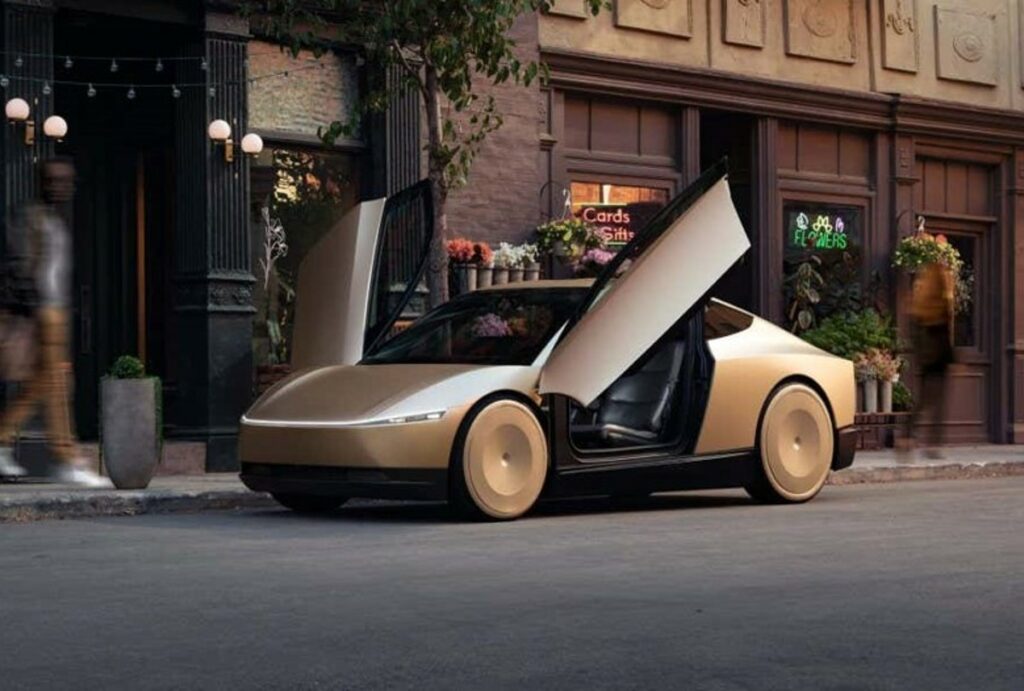
Tesla’s Cybercab: the purpose-built, low-cost robotaxi designed from the ground up for this future.The Airbnb Parallel: Turning Idle Assets Into Ubiquitous SupplyThink back to before 2008. Spare bedrooms, empty vacation homes, and underused properties sat idle across the globe. They weren’t “supply” in any meaningful economic sense because there was no easy, trustworthy, scalable way to connect them to travelers. Airbnb provided the business model—the platform, the trust systems, the payments, the reviews—and suddenly latent capacity exploded. Hosts earned income from assets that were previously dead weight. Travelers gained affordable, unique options in neighborhoods hotels never reached. The result? Over $90 billion in U.S. economic activity in 2024 alone, with nearly half of guest spending staying local in neighborhoods that traditional tourism bypassed. No new hotels required. Just unlocked supply.
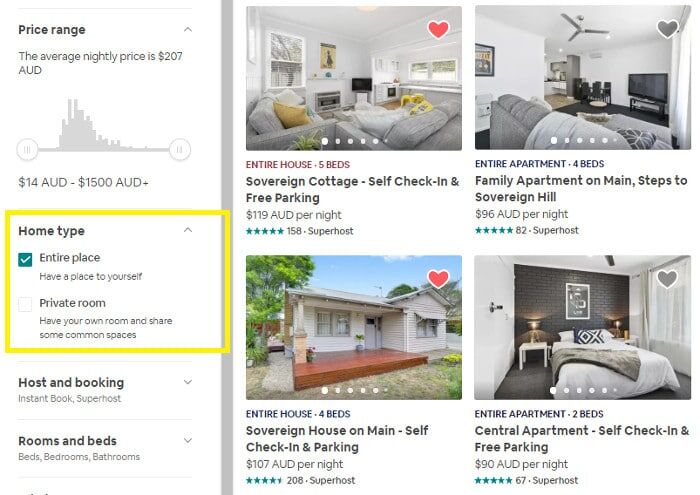
Airbnb listings turned spare rooms and homes into instant, flexible accommodations—exactly the model robotaxis can replicate for rides.
Tesla’s robotaxi does the same for mobility. Personal vehicles already clog our roads, sitting unused 95% of the time. Fleets of Cybercabs and owner-contributed Model Ys can join the network. Fixed-route autonomous shuttles (like the Robovan concept) handle high-volume corridors. On-demand robotaxis fill the last-mile gaps. The “rides” were always latent—capacity in vehicles, roads, and human demand. The missing piece was the cost innovation and business model to activate it at scale. When a ride costs bus money, it stops being a premium service for the wealthy and becomes public transportation for everyone. Suburbs, nights, rural areas, off-peak hours—everywhere suddenly makes economic sense.The Google Parallel: Answering the Questions People Already HadFor centuries, people had questions. “How do I fix this?” “What’s the weather there?” “Where can I find this fact?” Those questions existed in latent form, trapped in minds and conversations. Google didn’t create new knowledge; it indexed what was already on the web and made it instantly searchable. It turned vague curiosity into actionable answers. Search became ubiquitous because it was free, fast, and everywhere. The platform didn’t invent the questions—it made them answerable at zero friction.
Robotaxis do the same for mobility demands. “How do I get to work without a car?” “Can I grab groceries at night?” “Is there safe transport for my elderly parent?” Those needs have always existed. Traditional buses and taxis answered only a fraction of them, constrained by schedules, geography, and cost. A low-cost robotaxi network becomes the “search engine” for movement: summon via app, arrive anywhere, pay pennies. The questions were already there. The business model—autonomy + fleet scaling + app integration—makes the answers appear.Why This Cost Innovation Is Truly RevolutionaryThis isn’t incremental. It’s structural. Public transit today struggles with subsidies, driver shortages, and coverage gaps. Robotaxis flip the script: lower marginal costs mean operators can deploy vehicles profitably in low-density areas. High utilization and electric efficiency drive prices down further. Cities gain flexible capacity without building new rail lines. Individuals reclaim time and capital previously sunk into car ownership. The economic multiplier could dwarf Airbnb’s impact, freeing trillions in global transportation spending while slashing emissions and congestion through optimized, shared fleets.
Of course, challenges remain—regulatory approval, public trust, equitable access in every neighborhood. But the core insight holds: the technology and assets are largely here. What’s arriving in 2026 is the business model that materializes the rides, just as Airbnb materialized the rooms and Google materialized the answers.
The robotaxi isn’t coming to replace buses or cars in a zero-sum game. It’s coming to unlock what was always possible but never affordable or accessible. When the cost drops to bus levels, it goes everywhere. And that changes how we live, work, and connect. The future of movement isn’t about faster vehicles. It’s about finally answering the questions we’ve been asking all along.
In a world where transportation has long been constrained by high costs, limited supply, and rigid infrastructure, one simple equation changes everything: If a robotaxi ride costs the same as—or less than—a public bus ticket today, the math says it goes everywhere. This isn’t merely an engineering breakthrough. It is first and foremost a cost innovation, and it is revolutionary. As one insightful observer put it, this mirrors Airbnb unlocking spare rooms that were already there, waiting for the right business model. All those rides are already latent in our roads, vehicles, and daily movements. Soon, a scalable platform could make them materialize. All those mobility questions already exist in people’s minds. But we needed something like Google to show up—so people could finally “ask” and get answered instantly and affordably.
Tesla’s robotaxi vision is hitting this inflection point right now. With unsupervised rides operating in Austin since mid-2025 and Cybercab production kicking off in April 2026 at Giga Texas, the pieces are falling into place. Early pricing in Austin has seen adjustments—recently around $3 base plus $1.40 per mile—but at full scale, Tesla targets an all-in cost of roughly $0.18–$0.25 per mile. For a typical 3–5 mile trip, that translates to a few dollars or less. Cheaper than many bus fares. Cheaper than gas, parking, or rideshares. And because there’s no driver, no massive infrastructure buildout, and vehicles run 24/7 at high utilization, the economics flip the entire industry on its head.
Tesla’s Cybercab: the purpose-built, low-cost robotaxi designed from the ground up for this future.The Airbnb Parallel: Turning Idle Assets Into Ubiquitous SupplyThink back to before 2008. Spare bedrooms, empty vacation homes, and underused properties sat idle across the globe. They weren’t “supply” in any meaningful economic sense because there was no easy, trustworthy, scalable way to connect them to travelers. Airbnb provided the business model—the platform, the trust systems, the payments, the reviews—and suddenly latent capacity exploded. Hosts earned income from assets that were previously dead weight. Travelers gained affordable, unique options in neighborhoods hotels never reached. The result? Over $90 billion in U.S. economic activity in 2024 alone, with nearly half of guest spending staying local in neighborhoods that traditional tourism bypassed. No new hotels required. Just unlocked supply.
Airbnb listings turned spare rooms and homes into instant, flexible accommodations—exactly the model robotaxis can replicate for rides.
Tesla’s robotaxi does the same for mobility. Personal vehicles already clog our roads, sitting unused 95% of the time. Fleets of Cybercabs and owner-contributed Model Ys can join the network. Fixed-route autonomous shuttles (like the Robovan concept) handle high-volume corridors. On-demand robotaxis fill the last-mile gaps. The “rides” were always latent—capacity in vehicles, roads, and human demand. The missing piece was the cost innovation and business model to activate it at scale. When a ride costs bus money, it stops being a premium service for the wealthy and becomes public transportation for everyone. Suburbs, nights, rural areas, off-peak hours—everywhere suddenly makes economic sense.The Google Parallel: Answering the Questions People Already HadFor centuries, people had questions. “How do I fix this?” “What’s the weather there?” “Where can I find this fact?” Those questions existed in latent form, trapped in minds and conversations. Google didn’t create new knowledge; it indexed what was already on the web and made it instantly searchable. It turned vague curiosity into actionable answers. Search became ubiquitous because it was free, fast, and everywhere. The platform didn’t invent the questions—it made them answerable at zero friction.
Robotaxis do the same for mobility demands. “How do I get to work without a car?” “Can I grab groceries at night?” “Is there safe transport for my elderly parent?” Those needs have always existed. Traditional buses and taxis answered only a fraction of them, constrained by schedules, geography, and cost. A low-cost robotaxi network becomes the “search engine” for movement: summon via app, arrive anywhere, pay pennies. The questions were already there. The business model—autonomy + fleet scaling + app integration—makes the answers appear.Why This Cost Innovation Is Truly RevolutionaryThis isn’t incremental. It’s structural. Public transit today struggles with subsidies, driver shortages, and coverage gaps. Robotaxis flip the script: lower marginal costs mean operators can deploy vehicles profitably in low-density areas. High utilization and electric efficiency drive prices down further. Cities gain flexible capacity without building new rail lines. Individuals reclaim time and capital previously sunk into car ownership. The economic multiplier could dwarf Airbnb’s impact, freeing trillions in global transportation spending while slashing emissions and congestion through optimized, shared fleets.
Of course, challenges remain—regulatory approval, public trust, equitable access in every neighborhood. But the core insight holds: the technology and assets are largely here. What’s arriving in 2026 is the business model that materializes the rides, just as Airbnb materialized the rooms and Google materialized the answers.
The robotaxi isn’t coming to replace buses or cars in a zero-sum game. It’s coming to unlock what was always possible but never affordable or accessible. When the cost drops to bus levels, it goes everywhere. And that changes how we live, work, and connect. The future of movement isn’t about faster vehicles. It’s about finally answering the questions we’ve been asking all along.
Did you know Tesla FSD was this good? https://t.co/uldg1kZjfh
— Elon Musk (@elonmusk) April 6, 2026
🤖 Tesla Robotaxis: The Future of Affordable Public Transit https://t.co/m0iuISx9js
— Paramendra Kumar Bhagat (@paramendra) April 6, 2026

No comments:
Post a Comment