
Stainless Steel Starship https://t.co/Y41LnC48H5
— Elon Musk (@elonmusk) March 31, 2026
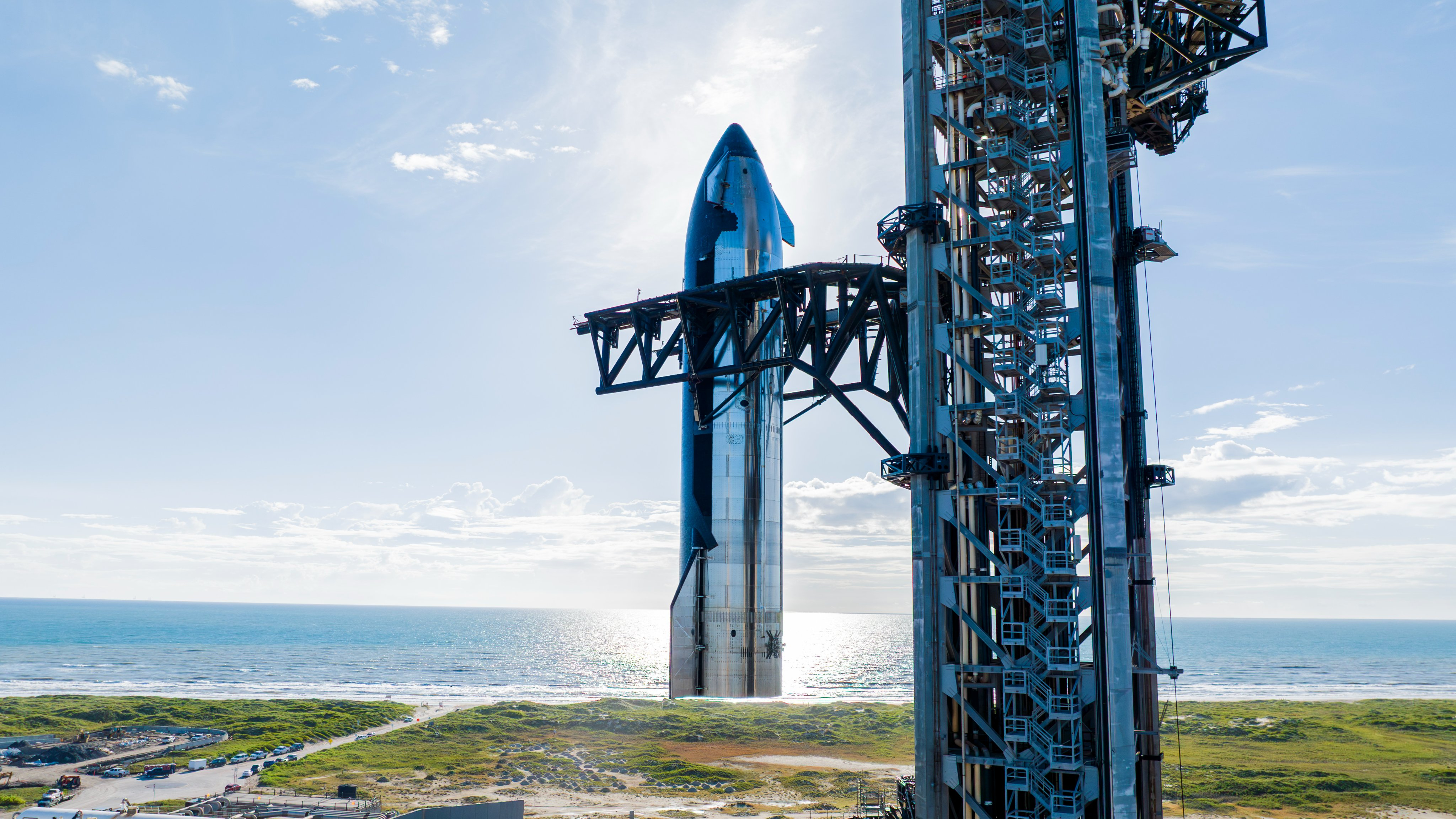
Elon Musk Celebrates Stainless Steel Starship: First-Principles Engineering at Its Finest
On March 31, 2026, Elon Musk simply posted “Stainless Steel Starship” alongside a glowing tribute from X user
The quoted thread captures it perfectly:
Elon Musk looked at the physics and chose stainless steel for Starship instead.
Sounds insane… until you realize stainless gets stronger at cryogenic temperatures, handles reentry heat better, and costs massively less than advanced composites. It doesn’t even need paint.
He chose a material that is faster to build, easier to weld, tougher in extreme conditions, and built for rapid iteration.
Classic Elon: ignore convention, trust first-principles engineering, and pick the solution everyone else missed.”
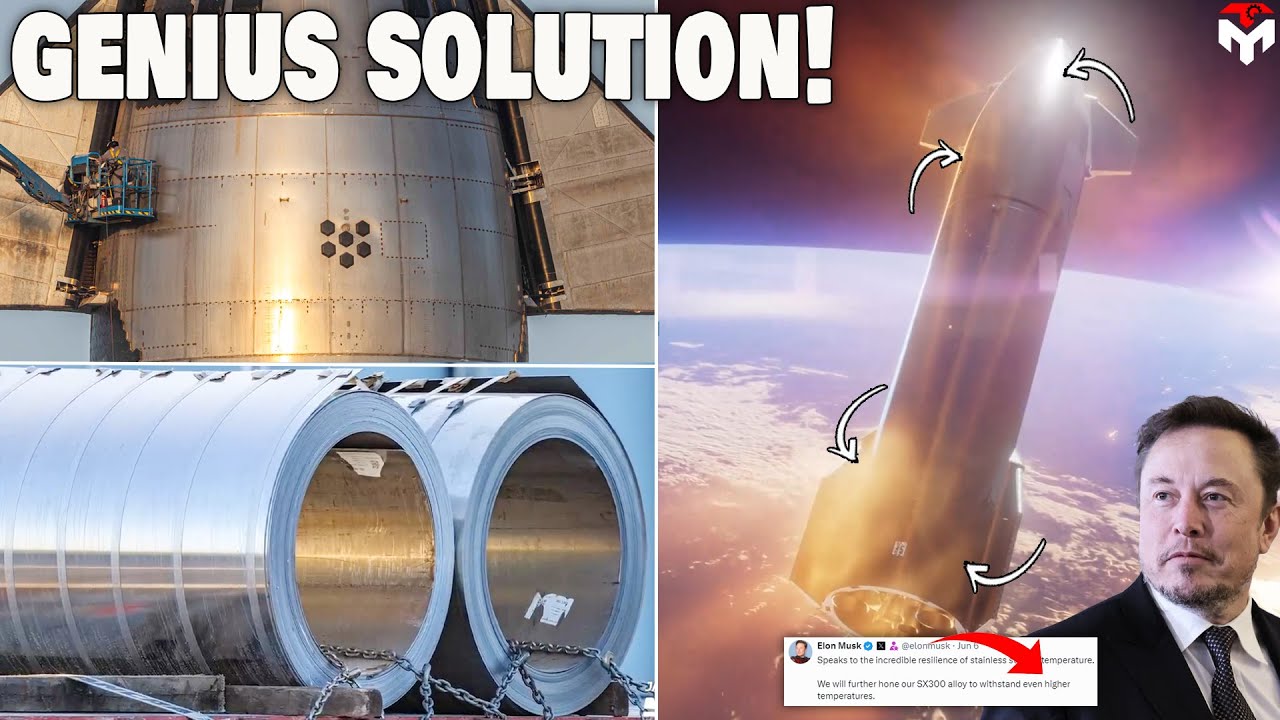
But by late 2018, Musk and the team hit roadblocks. Building massive 9-meter-diameter tanks required enormous autoclaves, production was slow and defect-prone, and material waste was high. Musk publicly detailed the switch in interviews, noting carbon fiber’s effective cost ballooned to nearly $200 per kilogram after scrap rates, compared to just $3–$4 for stainless steel.
The decision wasn’t about accepting a heavier rocket — it was about discovering that stainless steel was actually lighter when all real-world factors (cryogenics, heat, manufacturability, and reusability) were considered.Why Stainless Steel Excels in the Extremes of SpaceStainless steel’s advantages align perfectly with Starship’s operational environment:
- Cryogenic Super-Strength: Starship’s tanks hold liquid oxygen and methane cooled to around -250°F. At these ultra-low temperatures, stainless steel gains roughly 50% more strength, outperforming carbon fiber where it matters most — during fueled flight.
- Reentry Heat Tolerance: Atmospheric reentry generates temperatures up to 2,500°F. Stainless steel’s high melting point lets it handle extreme heat far better than composites or aluminum. While Starship now uses advanced heat-shield tiles, the underlying steel structure provides a robust backup that doesn’t require heavy ablators or complex coatings.
- Massive Cost and Speed Savings: Steel is 30–50 times cheaper than high-end composites and far easier to source, weld, and repair. No giant autoclaves, no 35% scrap waste, and prototypes can be iterated in weeks rather than months.
- No Paint Needed: The shiny, unpainted steel reflects heat and looks iconic — a small but practical bonus that saves weight and maintenance.
That foundation now pairs with even lighter Raptor V3 engines. Raptor 3 is dramatically simpler and lighter than previous versions (no engine heat shields required, advanced 3D-printed cooling channels), slashing vehicle mass and enabling Starship to lift well over 100 metric tons to orbit in reusable mode.

SpaceX’s own updates show the cumulative effect: lighter engines + stainless structure + refined propellant capacity = a vehicle capable of the massive payloads needed for Moon bases, Mars missions, and orbital infrastructure.A True Mars EnablerStarship isn’t just another rocket — it’s designed from day one for full reusability and interplanetary travel. Stainless steel’s durability, low cost, and rapid producibility make that vision economically viable. A fleet of Starships could one day ferry hundreds of tons of cargo and crew to Mars with turnaround times measured in days, not years.
As one reply in Musk’s thread noted, the combination of stainless Starship and Raptor V3 has already transformed lift capability from early estimates around 15 tons to over 100 tons today — with more gains coming.The Viral Legacy of First-Principles ThinkingMusk’s March 31 post has sparked thousands of replies praising the decision as a masterclass in ignoring hype and following physics. It’s a reminder that true innovation often looks “insane” until the numbers prove otherwise.
From the gleaming stainless prototypes towering over the Texas coast to the gleaming Raptor engines on the test stand, Starship stands as living proof: sometimes the boldest leaps forward come from the most familiar materials — when you let physics, not convention, lead the way.

The stars just got a little closer. And they’re shining on stainless steel.

Stainless Steel And First Principles Thinking https://t.co/NOvrL53tV9
— Paramendra Kumar Bhagat (@paramendra) March 31, 2026
How pointy is it? pic.twitter.com/KXIInzMevu
— dave (@dave_imagines) March 31, 2026
Your team seems to still be stuck on building dinosaur rockets from the 50's. Lol pic.twitter.com/fBJZxB2X5Z
— Justin Anthony Baker (@JbWolf1977) March 31, 2026
This is the definition of first principles thinking in action.
— Puppies 至尊宝 (@snailHao) March 31, 2026
The entire aerospace industry chased carbon fiber as the “future of space” for decades, treating it as an unchallenged dogma. You didn’t follow the crowd — you went back to the physics: cost, manufacturability,… pic.twitter.com/uOxBSPtxGg
☀️ From Horns to Suns: The Rise of the Solara https://t.co/Gozoa8QyfX
— Paramendra Kumar Bhagat (@paramendra) March 31, 2026
I tried to build this stainless steel Star Ship (SSS4) Assembly tutorial with super @grok 🤩 🚀 pic.twitter.com/WxyZ9jIjA1
— Celestine Nelson (@ProfCelestine) March 31, 2026
