
Being a female founder on this app is an incredible experience. https://t.co/Ha2HS3BpeT
— Parmita Mishra (@parmita) March 27, 2026
It's mostly a myth or personal perception, but there's real science behind why pasta often feels more "sleepy-making" than pizza for many people. Both are carb-heavy Italian classics that can trigger post-meal drowsiness (aka postprandial somnolence or a "food coma"), but the difference usually comes down to how the carbs are balanced with fat, protein, and portion size—not some magical pizza energy boost.Why carbs in general can make you sleepy
To avoid the slump with either:


:max_bytes(150000):strip_icc()/tomato-mozzarella-pizza-FT-RECIPE0725-e7244e979c504188a049623668c15b2e.jpg)
- Blood sugar rollercoaster: Refined carbs (like white pasta or pizza crust) break down quickly into glucose. This spikes blood sugar and insulin. The crash afterward drains energy, causing fatigue, brain fog, or that heavy-eyed feeling.
- Tryptophan + serotonin pathway: Carbs help the amino acid tryptophan (from proteins) cross into your brain, where it turns into serotonin (calming) and eventually melatonin (sleepy). High-carb + protein meals amplify this.
- Digestion diverts blood flow: Big meals pull blood to your gut for digestion, leaving less for your brain—making you feel sluggish regardless of the food.
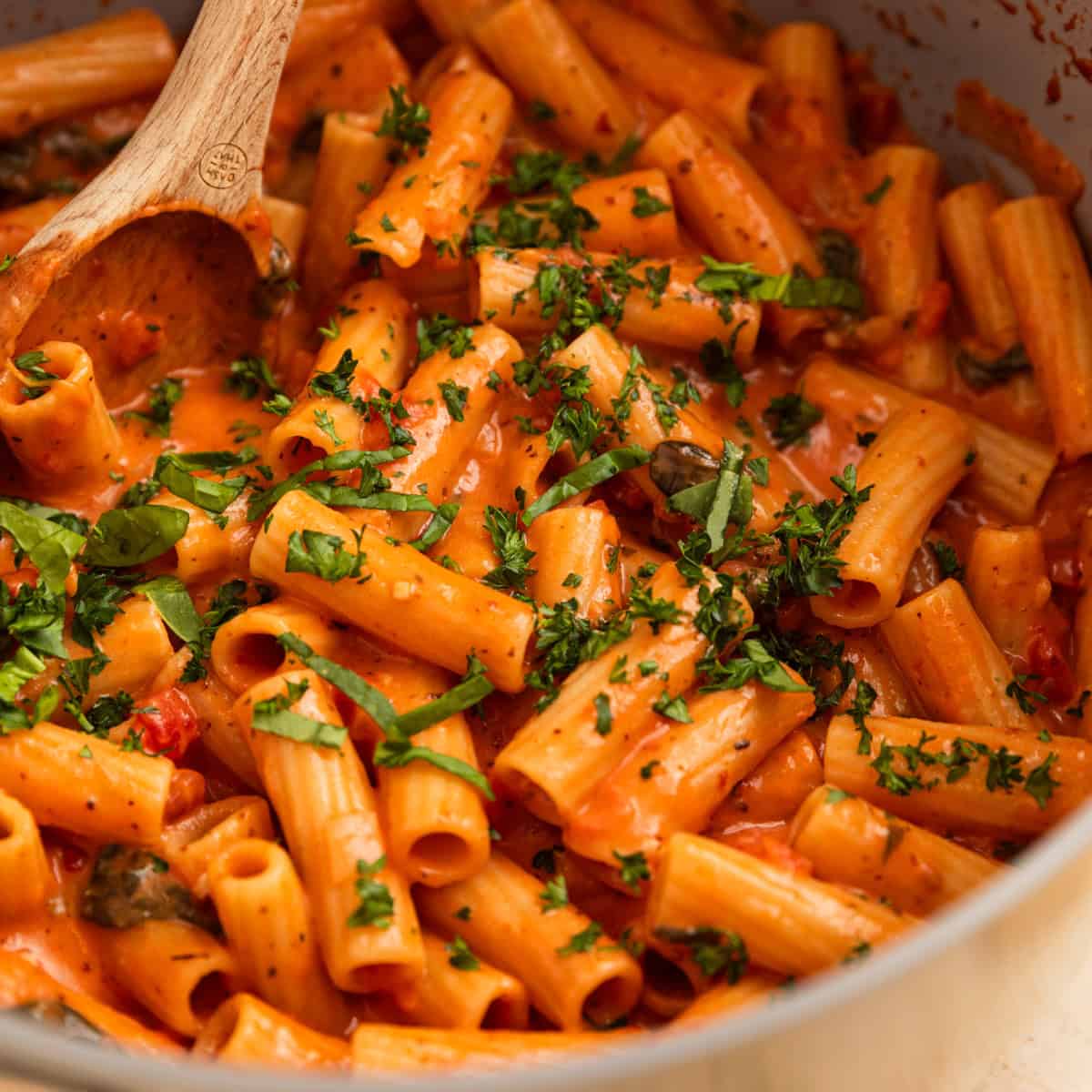
- It's frequently a pure carb bomb: A big bowl of spaghetti or fettuccine is mostly refined wheat with minimal fat/protein unless you load it with meat or cheese. This leads to a faster, bigger blood sugar spike + crash.
- Lower buffering: Plain or lightly sauced pasta digests quickly (even though plain pasta has a surprisingly medium-low glycemic index of ~45). Large portions = high glycemic load, so more insulin surge and fatigue.
- Common experience: People report it a lot—refined pasta is repeatedly called out for energy drains because it's easy to overeat as a simple starch.
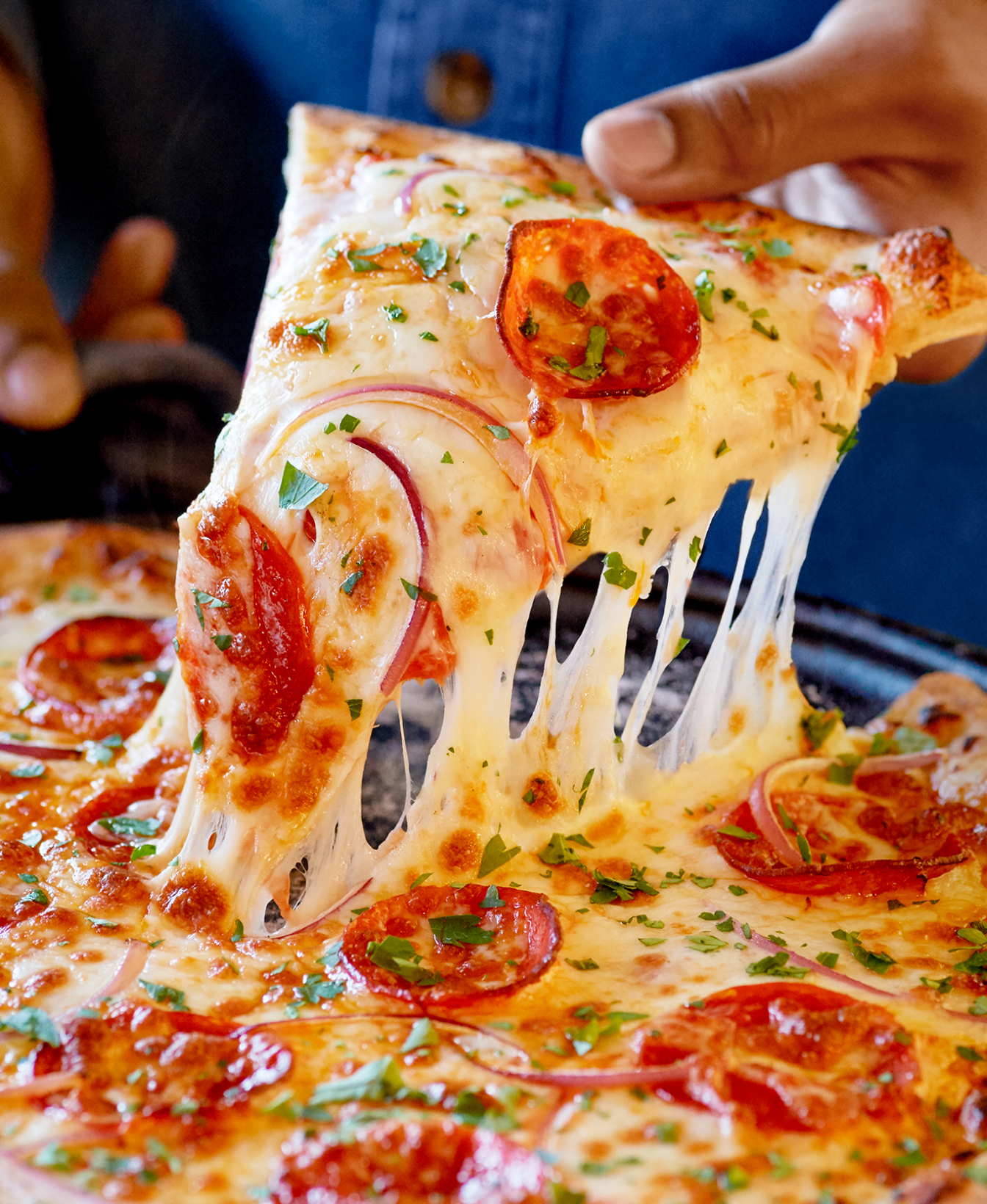
- Built-in balance from toppings: Cheese, pepperoni, sausage, veggies, etc., add fat and protein. These slow stomach emptying and carb absorption, so blood sugar rises more steadily—no dramatic crash. The fat/protein also keeps you fuller longer with sustained energy.
- Lower effective glycemic impact per bite: A slice or two has carbs from the crust, but the overall meal is more mixed macros than a giant pasta plate. (Pizza can still make you tired if it's super greasy or you eat half a pie—high fat alone can promote drowsiness too.)
- Portion reality: Most people eat 1–3 slices (~300–600 calories) vs. a heaping pasta bowl (often 800+ calories of mostly carbs). Smaller, balanced portions = less digestive overload.
To avoid the slump with either:
- Add protein/fiber/fat (chicken, veggies, olive oil, beans).
- Go al dente or whole-grain versions.
- Eat smaller portions + walk after.
- Pair with something acidic or protein-heavy to blunt the spike.
