
While our main focus at the moment is on scaling up our river systems, our work to clean up the Great Pacific Garbage Patch continues in parallel.
— Boyan Slat (@BoyanSlat) March 23, 2026
Key is knowing where to sweep, as the patch is vast and very “patchy.” If we manage to accurately predict where the trash hotspots… https://t.co/RO76Q8KDKj
Boyan Slat's company is The Ocean Cleanup, a non-profit environmental engineering organization he founded in 2013 (at age 18) after seeing plastic pollution while diving. Its mission is to rid the oceans of plastic by developing scalable technologies to remove legacy floating plastic from ocean gyres (like the Great Pacific Garbage Patch, or GPGP) and intercept new plastic from rivers before it reaches the sea. It also includes coastal sweeps for near-shore legacy pollution and advocacy for policies like the Global Plastics Treaty. The ultimate goal: clean up 90% of floating ocean plastic by 2040 and essentially put itself out of business.
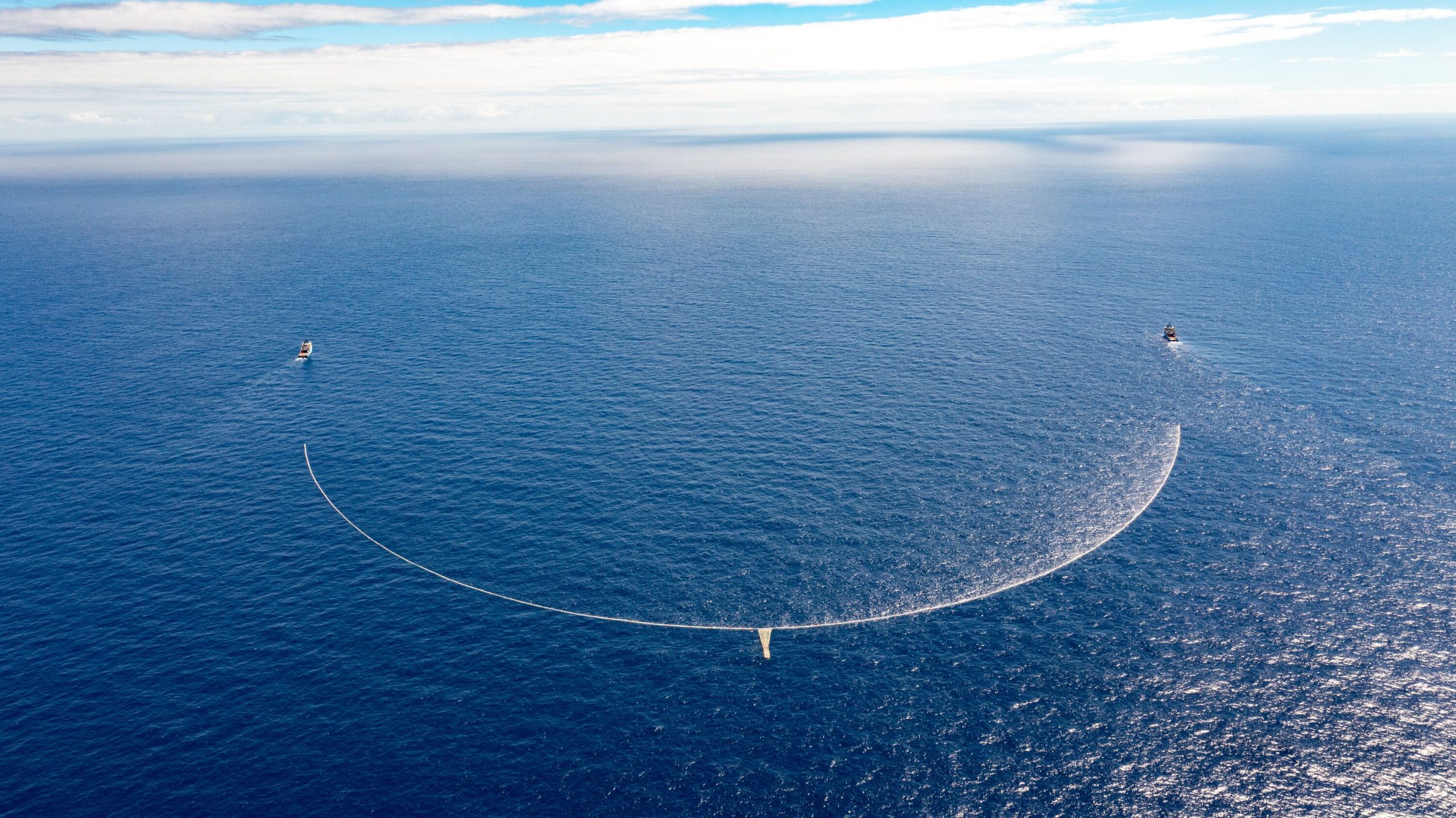
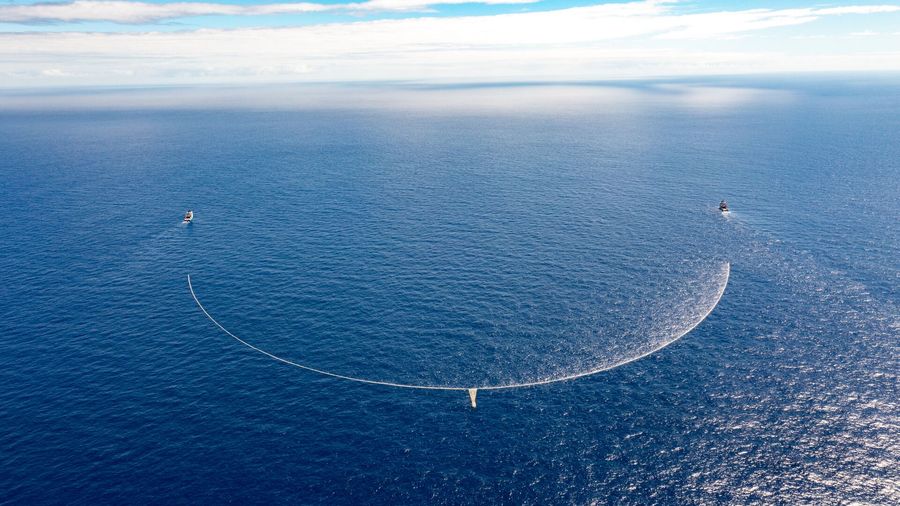
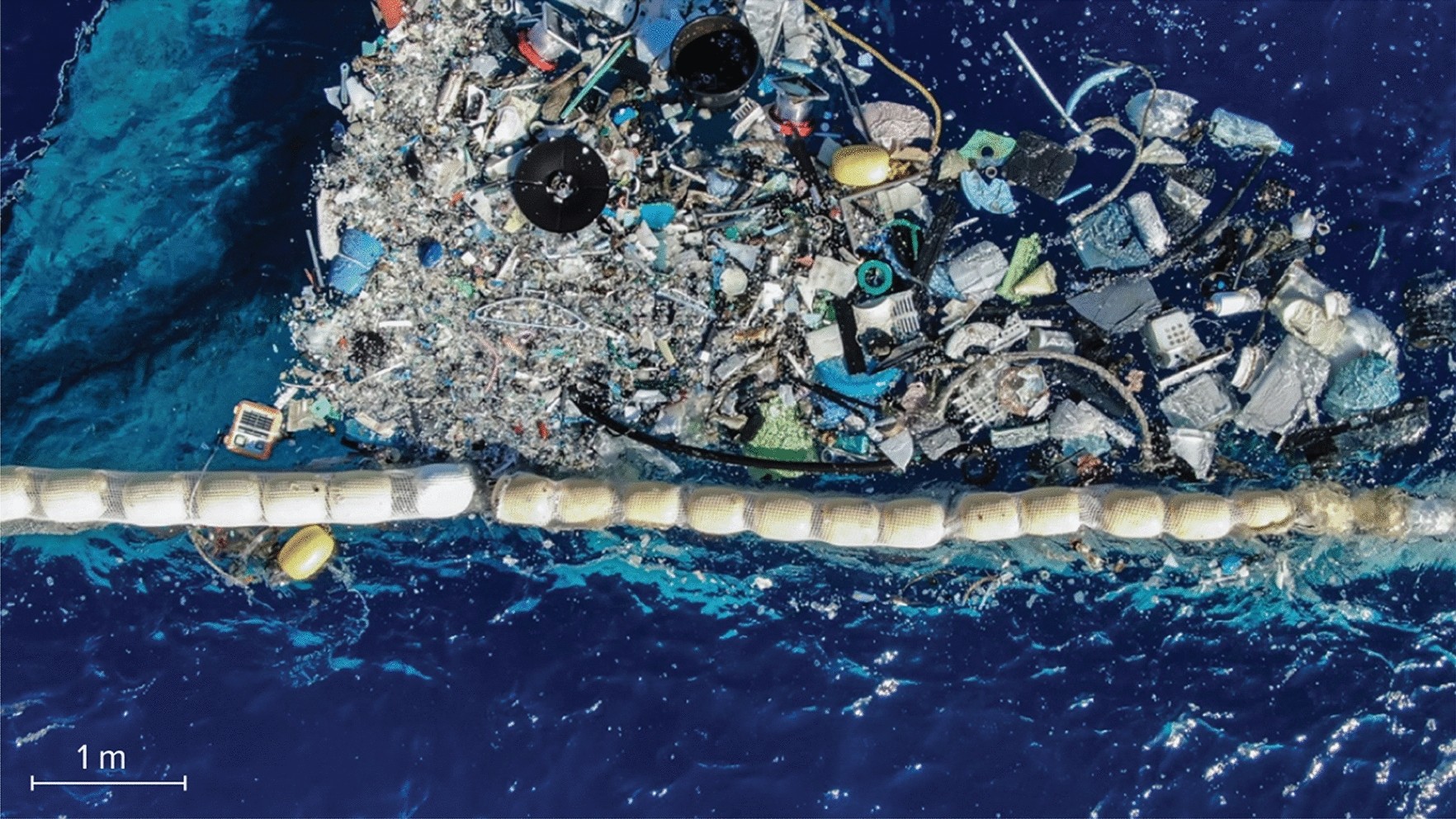
How It WorksOcean systems (e.g., current flagship System 03, ~2.2 km long) use a U-shaped floating barrier with a retention zone. It drifts with currents but is actively steered by a support vessel to "hotspots" of higher plastic density (predicted via modeling and real-time data). Plastic enters the retention zone due to the speed difference; every ~4 days the vessel collects it, processes it onboard, and recycles what’s possible. It captures macroplastics (mm to large items, including 46% ghost nets/fishing gear).

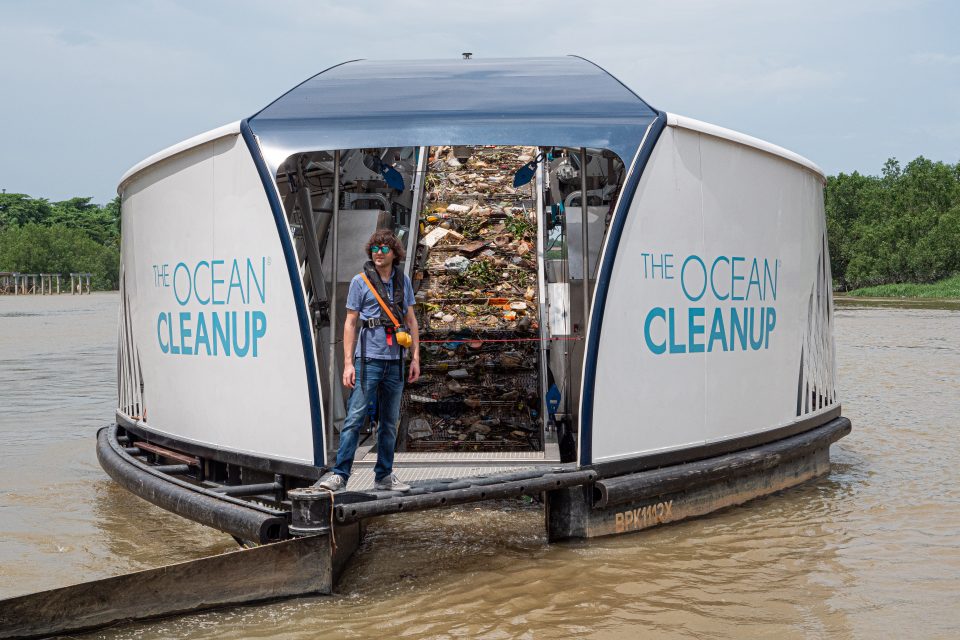
River systems (the Interceptor family, including models like 006 "Trashfence" or 020) are site-specific floating barriers or tenders placed in rivers, gullies, or harbors. They capture floating debris during flows (handling floods/monsoons via upgrades). Waste is extracted, sorted, and recycled or landfilled responsibly; local operators handle it. Smart River Surveys (drones, GPS trackers, AI cameras, timelapse) guide deployment.
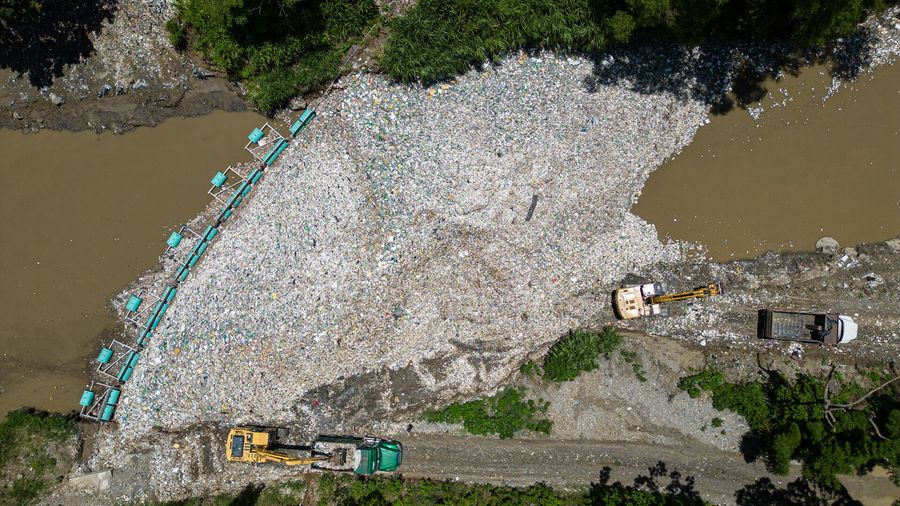
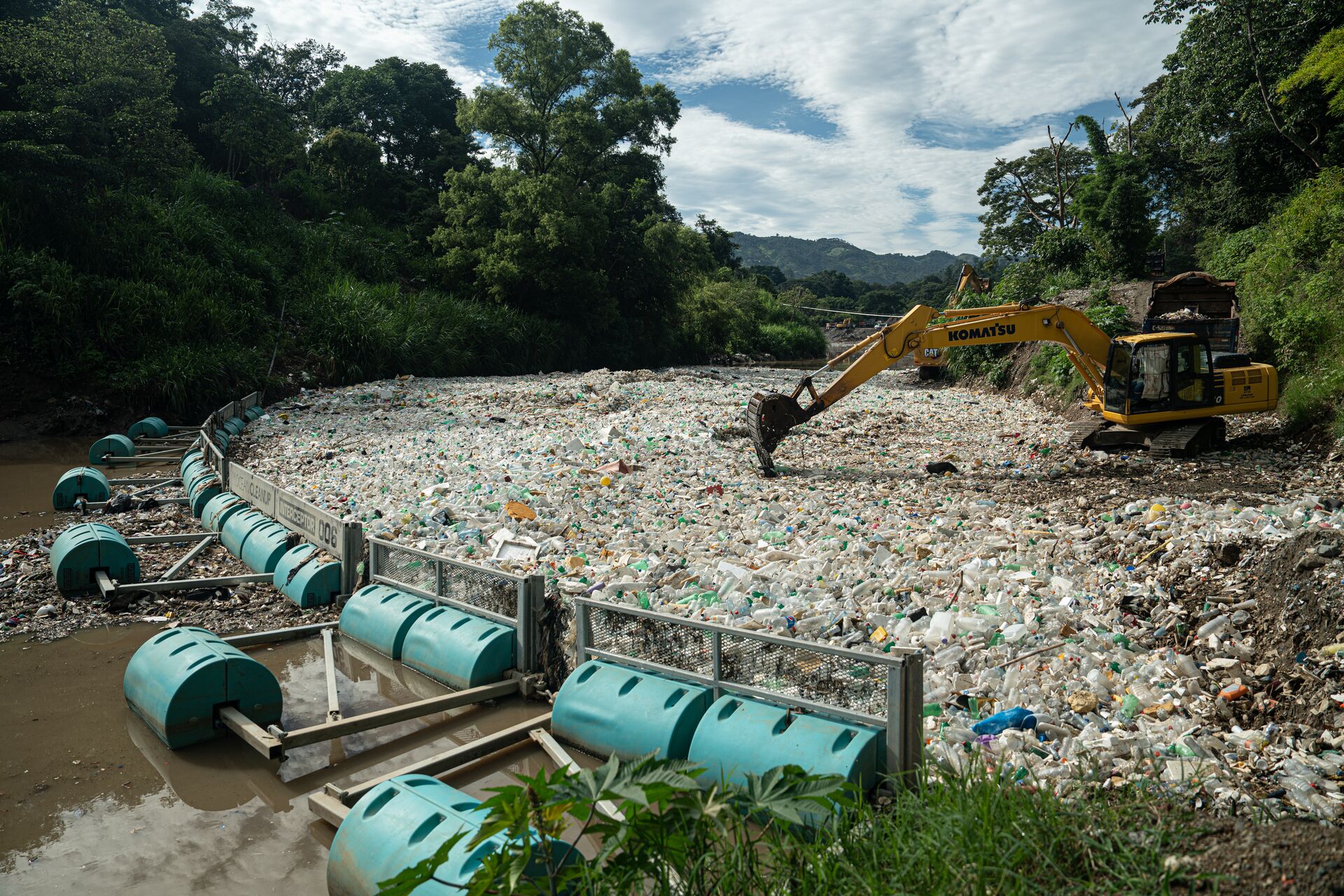
Performance so far (as of early 2026): Over 50 million kg (50,000+ metric tons) total removed. Record 25+ million kg in 2025 alone (rivers + ocean). Specific wins include millions of kg stopped in Guatemala/Indonesia rivers and hundreds of tons from the GPGP. River interceptors have diverted 2–5% of global river-borne emissions in targeted areas.Is This the Best Way? Scalability and EffectivenessIt is highly effective and one of the best current approaches for legacy macroplastic in patches and rivers. It leverages natural currents (low energy), scales modularly, and has a proven net environmental benefit (2025 peer-reviewed study: cleanup harms marine life far less than plastic does; 80% GPGP cleanup could restore safe levels for turtles/mammals and offset massive carbon-sequestration losses from microplastics). AI/drone/satellite integration boosts collection efficiency by 60%+ via hotspot targeting.
Criticisms and limitations (valid ones exist): High operational costs (vessels ~$15–20k/day historically), some bycatch (mitigated with cameras/escapes/observers), and it primarily targets macroplastics (microplastics persist once fragmented). It doesn't address root causes alone—prevention is cheaper long-term per independent reviews. Some call it "hype" or inefficient at global scale without massive fleets. Alternatives (autonomous drone swarms, robotic skimmers, or beach-focused efforts) may be cheaper for small areas but lack the passive, large-scale drift advantage for open-ocean gyres.
Scalability: Excellent. Systems are modular—add more fleets for faster gyre coverage. The 30 Cities Program (launched 2025) targets urban hotspots in 30 cities to cut one-third of global river plastic inflow by 2030. Offshore: full gyre fleets planned. River tech adapts to any waterway size/flow.
100% or near-100% cleaning? Not realistically 100%—microplastics will linger for decades, and zero new input is impossible short-term. Near-100% for floating macroplastic is feasible with full scaling + prevention (their 90% target by 2040 is realistic per modeling). Legacy GPGP (est. 100,000 tons) could be halved in ~5 years with 10+ systems (older projection, now accelerating). Full cleanup would take decades even with prevention.
In ~10 years (by ~2036)? Unlikely for near-100%. Current trajectory hits 90% by 2040; aggressive funding/tech (e.g., more AI fleets) could accelerate river cuts and ocean progress, but ongoing emissions and microplastics make full/near-full impossible that fast without global production cuts.Business ModelPure non-profit: 100% donation- and partnership-funded (individuals, corporates like Maersk/Coldplay/Kia, governments, campaigns like #TeamSeas, big grants e.g., $121M Audacious Project in 2026 for rivers). Some indirect revenue from recycled plastic turned into products (sunglasses, accessories) via partners—earlier visions of premium branding for self-sustainability haven't fully materialized yet. Recycled ocean plastic market is growing (projected $3.5B by 2034), but TOC remains philanthropic.
Is it the best? Strong for mission focus and donor appeal, but slower scaling than for-profit. Alternatives:
Lakes/inland: Adaptable (smaller barriers or low-tech versions work in harbors/coastal lagoons). Other orgs use Seabins/LittaTraps or autonomous surface drones for lakes (e.g., Great Lakes programs). Smaller TOC-style tech exists via scale models and tailored Interceptors.
Different tech: Autonomous aquatic drones/robots for smaller or sensitive waters (suction/nets, GPS-guided)—complements or alternatives for lakes/rivers where large barriers aren't feasible.Preventing Plastic from Entering Water in the First PlaceTOC emphasizes this: River interceptors "close the tap," coastal sweeps, city-wide waste upgrades, and advocacy for the Global Plastics Treaty/production caps. Prevention (bans, better design, circular economy, education) is ultimately more cost-effective and essential—cleanup handles legacy while prevention stops growth. Their data shows 80% of ocean plastic comes from just 1,000 rivers; targeting those + source reduction is key.Chemicals, Sewage, and Broader PollutionTOC is plastic-specific (not chemicals/sewage). Those require separate solutions:
Microplastics expose the limits of cleanup-only approaches: TOC’s macro strategy is brilliant and necessary (preventing the problem from worsening), but micros demand a multi-decade war of prevention first, treatment second, removal third. 2025’s health revelations escalated urgency — we’re ingesting our pollution. Inland waters and point sources offer quicker wins via scalable nature-based and advanced tech. Open ocean? Buy time with macro fleets while slashing production and redesigning products.
Satellites/drones supercharge efficiency, but no silver bullet exists. Near-pre-industrial rivers/lakes is ambitious but doable locally; globally, it requires the same political will as climate action. The good news: Momentum (treaties, innovations, TOC scaling) is real. The challenge: Micros don’t wait — every year of delay fragments more macro into the invisible threat. Prevention + macro interception is still the highest-ROI path today.

The Great Pacific Garbage Patch (GPGP) — also called the North Pacific Garbage Patch — is the world's largest accumulation of floating plastic in the open ocean. It sits in the North Pacific Subtropical Gyre, a massive rotating current system that acts like a giant conveyor belt, trapping buoyant debris that drifts in from coastal sources and at-sea activities.

Location and FormationPositioned roughly halfway between Hawaii and California (centered around 32°N, 145°W), the patch shifts seasonally and yearly due to winds and currents. It forms where warm and cool waters converge in the gyre: plastics enter from the Pacific rim, get pulled offshore, and spiral inward. Only low-windage objects (those more influenced by currents than wind) stay trapped long-term. The GPGP is one of five major ocean gyre patches, but by far the biggest.
Size, Mass, and Density
Growth Trends and the Microplastics LinkThe patch is growing exponentially. A landmark 2024 TOC study (50+ expeditions, 2015–2022) showed centimeter-sized plastic fragments increased nearly 5-fold (2.9 kg/km² to 14.2 kg/km²). Every size class rose sharply:


Progress (as of early 2026): Nearly 500,000 kg (~500 tonnes) removed specifically from the GPGP — mostly fishing gear — via 100+ extractions since 2019. This is part of TOC's overall 50+ million kg total (rivers + ocean). The 2025 Pacific Data Expedition (sailors tagging ghost nets with GPS trackers and mounting AI cameras) refined hotspot mapping for even higher efficiency.
Scalability and Timeline: TOC modeling shows the GPGP can be cleaned at current performance for $7.5 billion in ~10 years (or $4 billion in 5 years with optimizations). Hotspot targeting, drone/AI upgrades, and fleet scaling are accelerating this. Goal: remove 90% of floating ocean plastic by 2040 across all gyres while preventing new inflow. 2026 focus includes continued AI/drone hotspot work alongside river scaling.Is It the Best Approach? Tie-In to Broader CleanupTOC's passive-barrier + smart-navigation method is highly effective for macroplastics here (preventing further micro-fragmentation). It's modular, low-energy (drifts with currents), and proven net-positive. Alternatives like pure drone swarms or chemical dissolution aren't scalable for this volume yet. Prevention (fishing gear regulations, Global Plastics Treaty) is essential long-term — cleanup alone can't stop new inputs forever.
Bottom line: The GPGP is a persistent, growing legacy problem driven mostly by decades-old fishing waste, not a visible island but a diffuse threat turning into microplastics. TOC's System 03 has already extracted hundreds of tonnes and is on track to make meaningful dent — buying time while prevention catches up. With hotspots mapped via 2025 data and AI, full-scale cleanup is realistic within a decade if funded. Paired with river interceptors, this is one of the most data-driven, impactful efforts against ocean plastic today. Progress is real, but urgency is higher than ever as fragmentation accelerates.

River systems (the Interceptor family, including models like 006 "Trashfence" or 020) are site-specific floating barriers or tenders placed in rivers, gullies, or harbors. They capture floating debris during flows (handling floods/monsoons via upgrades). Waste is extracted, sorted, and recycled or landfilled responsibly; local operators handle it. Smart River Surveys (drones, GPS trackers, AI cameras, timelapse) guide deployment.
Performance so far (as of early 2026): Over 50 million kg (50,000+ metric tons) total removed. Record 25+ million kg in 2025 alone (rivers + ocean). Specific wins include millions of kg stopped in Guatemala/Indonesia rivers and hundreds of tons from the GPGP. River interceptors have diverted 2–5% of global river-borne emissions in targeted areas.Is This the Best Way? Scalability and EffectivenessIt is highly effective and one of the best current approaches for legacy macroplastic in patches and rivers. It leverages natural currents (low energy), scales modularly, and has a proven net environmental benefit (2025 peer-reviewed study: cleanup harms marine life far less than plastic does; 80% GPGP cleanup could restore safe levels for turtles/mammals and offset massive carbon-sequestration losses from microplastics). AI/drone/satellite integration boosts collection efficiency by 60%+ via hotspot targeting.
Criticisms and limitations (valid ones exist): High operational costs (vessels ~$15–20k/day historically), some bycatch (mitigated with cameras/escapes/observers), and it primarily targets macroplastics (microplastics persist once fragmented). It doesn't address root causes alone—prevention is cheaper long-term per independent reviews. Some call it "hype" or inefficient at global scale without massive fleets. Alternatives (autonomous drone swarms, robotic skimmers, or beach-focused efforts) may be cheaper for small areas but lack the passive, large-scale drift advantage for open-ocean gyres.
Scalability: Excellent. Systems are modular—add more fleets for faster gyre coverage. The 30 Cities Program (launched 2025) targets urban hotspots in 30 cities to cut one-third of global river plastic inflow by 2030. Offshore: full gyre fleets planned. River tech adapts to any waterway size/flow.
100% or near-100% cleaning? Not realistically 100%—microplastics will linger for decades, and zero new input is impossible short-term. Near-100% for floating macroplastic is feasible with full scaling + prevention (their 90% target by 2040 is realistic per modeling). Legacy GPGP (est. 100,000 tons) could be halved in ~5 years with 10+ systems (older projection, now accelerating). Full cleanup would take decades even with prevention.
In ~10 years (by ~2036)? Unlikely for near-100%. Current trajectory hits 90% by 2040; aggressive funding/tech (e.g., more AI fleets) could accelerate river cuts and ocean progress, but ongoing emissions and microplastics make full/near-full impossible that fast without global production cuts.Business ModelPure non-profit: 100% donation- and partnership-funded (individuals, corporates like Maersk/Coldplay/Kia, governments, campaigns like #TeamSeas, big grants e.g., $121M Audacious Project in 2026 for rivers). Some indirect revenue from recycled plastic turned into products (sunglasses, accessories) via partners—earlier visions of premium branding for self-sustainability haven't fully materialized yet. Recycled ocean plastic market is growing (projected $3.5B by 2034), but TOC remains philanthropic.
Is it the best? Strong for mission focus and donor appeal, but slower scaling than for-profit. Alternatives:
- Plastic credits (companies pay per ton removed, like carbon credits).
- For-profit hybrid licensing tech/IP or selling premium recycled material directly.
- Government contracts/tenders for cleanup services.
- Circular revenue from waste-to-products or tech sales to municipalities.
Lakes/inland: Adaptable (smaller barriers or low-tech versions work in harbors/coastal lagoons). Other orgs use Seabins/LittaTraps or autonomous surface drones for lakes (e.g., Great Lakes programs). Smaller TOC-style tech exists via scale models and tailored Interceptors.
Different tech: Autonomous aquatic drones/robots for smaller or sensitive waters (suction/nets, GPS-guided)—complements or alternatives for lakes/rivers where large barriers aren't feasible.Preventing Plastic from Entering Water in the First PlaceTOC emphasizes this: River interceptors "close the tap," coastal sweeps, city-wide waste upgrades, and advocacy for the Global Plastics Treaty/production caps. Prevention (bans, better design, circular economy, education) is ultimately more cost-effective and essential—cleanup handles legacy while prevention stops growth. Their data shows 80% of ocean plastic comes from just 1,000 rivers; targeting those + source reduction is key.Chemicals, Sewage, and Broader PollutionTOC is plastic-specific (not chemicals/sewage). Those require separate solutions:
- Prevention: Advanced wastewater treatment plants (tertiary filtration for microplastics/chemicals), stormwater upgrades, industrial regulations, wetland buffers, and zero-discharge tech.
- Rivers/lakes: Stricter effluent standards, bioremediation, and monitoring.
Microplastics represent the most insidious and technically intractable layer of the plastic pollution crisis — far harder than the macroplastics that Boyan Slat’s The Ocean Cleanup (TOC) targets. While TOC’s systems excel at removing larger debris (preventing it from fragmenting into microplastics), microplastics (<5 mm, including nanoplastics <1 μm or sometimes <100 μm) are already ubiquitous, persistent, and biologically invasive. As of 2025–2026 data, they pose escalating risks to ecosystems, climate processes, and human health — with no realistic path to 100% removal at global scale.


What They Are and How They FormPrimary microplastics are intentionally small (e.g., pre-production pellets/nurdles, cosmetic microbeads — many now banned). Secondary result from breakdown of macroplastics via UV, waves, and mechanical stress. Fibers from synthetic clothing and tire-wear particles dominate new inputs. Nanoplastics (even smaller) penetrate cells more easily. Once in the environment, they never biodegrade — they only fragment further or sink, persisting for centuries.Current Scale and Distribution (2025–2026 Estimates)

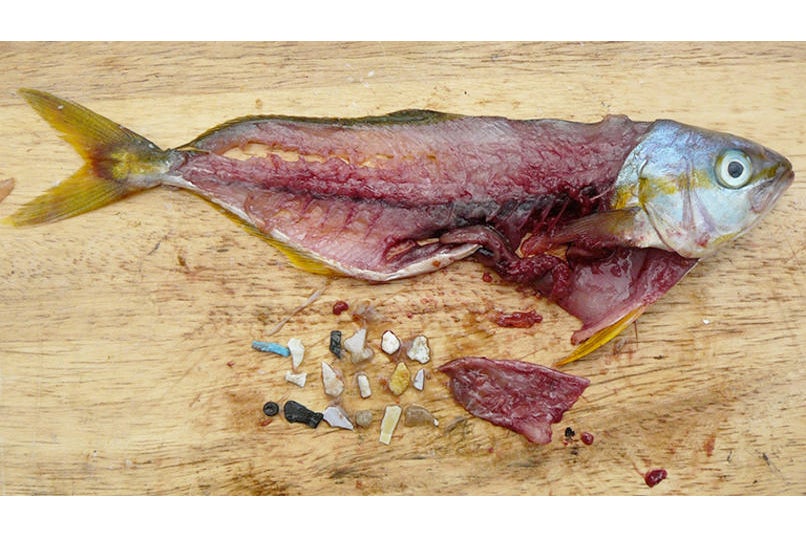
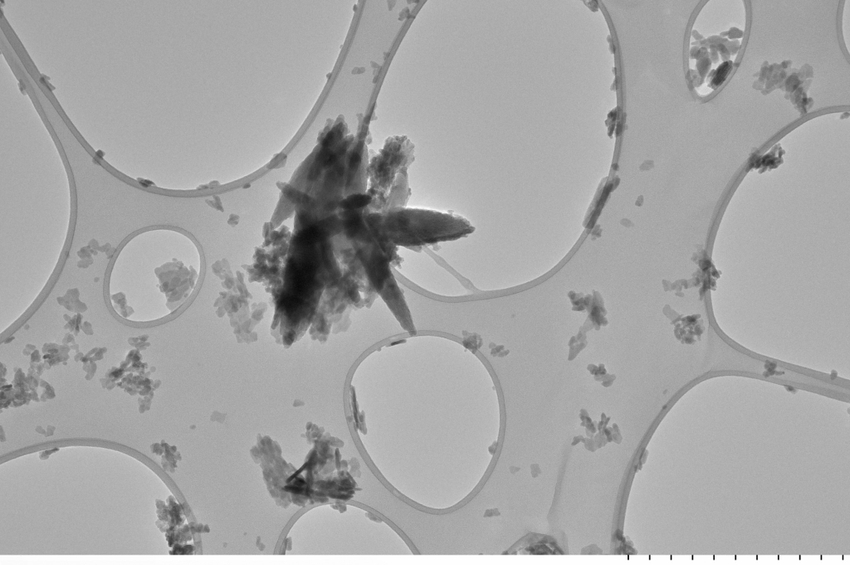
Human Health Risks (2025 Was a Breakthrough Year)Microplastics have now been confirmed in human blood, placenta, lungs, liver, brain, arteries, and joints. Key 2025–2026 findings:
Why Removal Is So Difficult — and Current LimitationsScale mismatch: Trillions of particles across vast volumes. Open-ocean removal at micro scale is effectively impossible with current tech (energy, cost, bycatch). Existing TOC-style barriers/floats catch macro only.
Wastewater treatment plants (WWTPs) — the best current defense — achieve 90–99% removal in tertiary stages (membranes, coagulation, advanced oxidation), but:

Emerging technologies (2025–2026 advances):
Key levers:
- Ocean surface floating: 82–358 trillion particles (~4.9 million tons max). Total marine microplastic stock (mostly sediments): estimates exceed 1.5–4.7 billion tonnes globally — far more than surface macro estimates (75–199 million tonnes total plastic).
- Annual input: 19–23 million tons of plastic enter aquatic systems yearly; microplastics comprise ~13% of global plastic pollution (tyre wear and paint ~10 Mt each, agriculture 3 Mt).
- Everywhere: Rivers/lakes trap or transport them (80% of some microfibers retained by currents); air, soil, Arctic ice, deep sea, food chain. They drift for years or sink rapidly; concentrations highest in Asia/tropical/mangrove areas.
- Legacy in gyres like the GPGP: Macro mass still dominates (92%), but fragmentation accelerates micro levels — without intervention, North Atlantic water-column micros may soon exceed safe thresholds for marine life.
- Physical damage (gut blockage, reduced growth/reproduction).
- Chemical toxicity (leach additives; adsorb heavy metals, POPs, pathogens, and antimicrobial-resistant bacteria).
- Ecosystem disruption: Impair marine carbon sequestration (oceans already struggling with CO₂ absorption due to microplastics); alter food webs; sink to sediments where they persist.
- Higher concentrations in artery plaque linked to elevated risk of heart attack, stroke, and death (NEJM 2024 follow-ups).
- Brain accumulation potentially tied to dementia, cognitive decline, Parkinson’s-like pathology, and Alzheimer’s risk.
- Placenta: Elevated in premature births; possible contributor to reproductive issues.
- Broader associations: Inflammation, oxidative stress, DNA damage, endocrine disruption, immune suppression, metabolic disorders, cancer risk, and even pathogen carriage.
Wastewater treatment plants (WWTPs) — the best current defense — achieve 90–99% removal in tertiary stages (membranes, coagulation, advanced oxidation), but:
- Fibers and nanoplastics slip through.
- Captured particles often end up in sludge, which is spread on farmland — reintroducing them terrestrially.
- Sludge reuse reductions (e.g., 50% target in models) help but aren’t universal.
Emerging technologies (2025–2026 advances):
- Nature-based: Constructed wetlands, bioretention, green infrastructure — up to 99–100% in controlled tests; low-energy, scalable for rivers/lakes.
- Innovative: Magnetic nanoparticles (94%+ recovery, regenerable), ultrasonic/acoustic clumping (90% in prototypes), nanocellulose/biopolymers (up to 98%), enzymatic/bioremediation.
- Autonomous/robotic: Drones/skimmer variants for harbors/inland; sound-wave devices (teen prototypes).
- Monitoring: Satellites (hyperspectral for detection), drones, AI — excellent for mapping/hotspot targeting (TOC already uses this for macro), but not removal.
Key levers:
- Ban/reduce primary sources and shedding (tyres, textiles, paint).
- Circular design + extended producer responsibility.
- Wastewater upgrades + filters on appliances.
- Global Plastics Treaty enforcement.
- 100% or near-100%: No. Legacy particles persist centuries; zero new input is unrealistic short-term. Safe ecological/human thresholds are achievable in targeted rivers/lakes/harbors with combined prevention + advanced treatment (decades). Open ocean: stabilization possible by 2040 with aggressive macro cleanup + 41% micro cuts, but full restoration? Centuries.
- Inland/rivers/lakes: Yes — more feasible. WWTPs, wetlands, and local interceptors (smaller TOC-style or alternatives like Seabins) already deliver high local removal. All rivers/lakes to pre-industrial levels? Theoretically with global infrastructure investment (trillions), but politically/economically massive.
- In ~10 years: No for ocean micros. River cuts (TOC’s 30 Cities Program aims for 1/3 global inflow reduction by 2030) and WWTP upgrades can slash inputs dramatically. Full gyre stabilization needs longer + policy wins.
- Satellites/drones: Transform monitoring and targeted macro operations; limited direct micro removal value but accelerate prevention via data.
- Tech licensing (magnetic/ultrasonic filters, biopolymers).
- Plastic credits for micro capture in industry/WWTPs.
- Premium filtration products (washing machines, home systems).
- Government contracts for stormwater/green infrastructure.
Satellites/drones supercharge efficiency, but no silver bullet exists. Near-pre-industrial rivers/lakes is ambitious but doable locally; globally, it requires the same political will as climate action. The good news: Momentum (treaties, innovations, TOC scaling) is real. The challenge: Micros don’t wait — every year of delay fragments more macro into the invisible threat. Prevention + macro interception is still the highest-ROI path today.
The Great Pacific Garbage Patch (GPGP) — also called the North Pacific Garbage Patch — is the world's largest accumulation of floating plastic in the open ocean. It sits in the North Pacific Subtropical Gyre, a massive rotating current system that acts like a giant conveyor belt, trapping buoyant debris that drifts in from coastal sources and at-sea activities.
- Area: 1.6 million km² — about twice the size of Texas or three times France.
- Mass: Approximately 100,000 tonnes (100 million kg) of floating plastic — equivalent to more than 740 Boeing 777 airliners.
- Pieces: Mid-range estimate of 1.8 trillion plastic items (range: 1.1–3.6 trillion), or roughly 250 pieces for every person on Earth.
- Density: Varies dramatically — hundreds of kg/km² in the dense core, dropping to ~10 kg/km² at the edges. Concentrations are highest where currents converge; it's not uniform.
- Microplastics (0.05–0.5 cm): 94% of count but only 8% of mass.
- Mesoplastics (0.5–5 cm), macroplastics (5–50 cm), megaplastics (>50 cm): 92% of total mass, with three-quarters in macro/mega categories.
- Microplastics: 960,000 → 1.5 million items/km²
- Mesoplastics: 34,000 → 235,000/km²
- Macroplastics: 800 → 1,800/km²
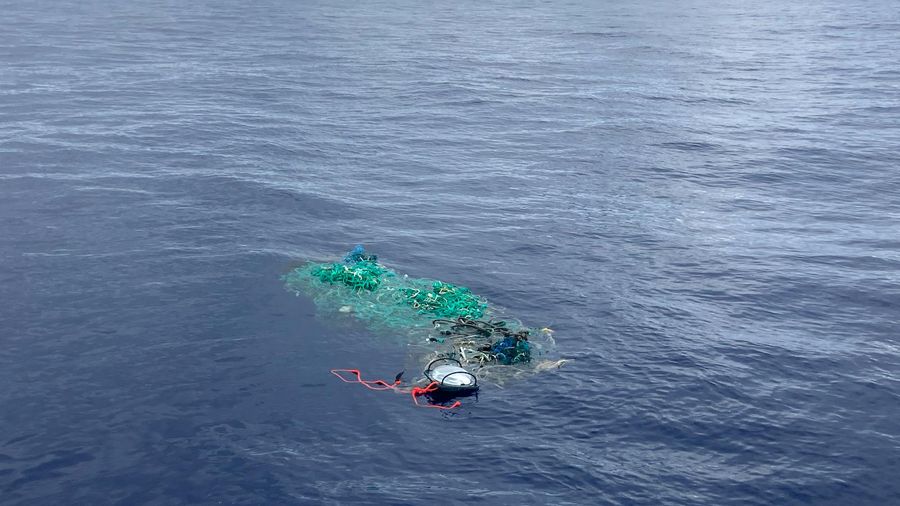
- Wildlife: Entanglement in ghost nets kills turtles, seals, whales, and seabirds (900+ species affected; 17% on IUCN Red List). Ingestion starves animals (sea turtles: up to 74% plastic diet; albatross chicks: 45%). Toxins (84% of pieces carry persistent bioaccumulative chemicals) bioaccumulate up the food chain.
- Ecosystems: Plastics now outweigh living organisms in parts of the gyre; they disrupt carbon export (zooplankton grazing reduced) and provide rafts for invasive species.
- Humans: Indirect via seafood, economic losses ($500–2,500 billion/year in ecosystem services), and microplastic health risks.
- Deeper ocean: Much plastic eventually sinks after biofouling, adding to seabed pollution.
Progress (as of early 2026): Nearly 500,000 kg (~500 tonnes) removed specifically from the GPGP — mostly fishing gear — via 100+ extractions since 2019. This is part of TOC's overall 50+ million kg total (rivers + ocean). The 2025 Pacific Data Expedition (sailors tagging ghost nets with GPS trackers and mounting AI cameras) refined hotspot mapping for even higher efficiency.
Scalability and Timeline: TOC modeling shows the GPGP can be cleaned at current performance for $7.5 billion in ~10 years (or $4 billion in 5 years with optimizations). Hotspot targeting, drone/AI upgrades, and fleet scaling are accelerating this. Goal: remove 90% of floating ocean plastic by 2040 across all gyres while preventing new inflow. 2026 focus includes continued AI/drone hotspot work alongside river scaling.Is It the Best Approach? Tie-In to Broader CleanupTOC's passive-barrier + smart-navigation method is highly effective for macroplastics here (preventing further micro-fragmentation). It's modular, low-energy (drifts with currents), and proven net-positive. Alternatives like pure drone swarms or chemical dissolution aren't scalable for this volume yet. Prevention (fishing gear regulations, Global Plastics Treaty) is essential long-term — cleanup alone can't stop new inputs forever.
Bottom line: The GPGP is a persistent, growing legacy problem driven mostly by decades-old fishing waste, not a visible island but a diffuse threat turning into microplastics. TOC's System 03 has already extracted hundreds of tonnes and is on track to make meaningful dent — buying time while prevention catches up. With hotspots mapped via 2025 data and AI, full-scale cleanup is realistic within a decade if funded. Paired with river interceptors, this is one of the most data-driven, impactful efforts against ocean plastic today. Progress is real, but urgency is higher than ever as fragmentation accelerates.
Nanoplastics — particles smaller than 1 μm (often <100 nm) — are the most insidious and biologically invasive form of plastic pollution. Unlike the macroplastics targeted by The Ocean Cleanup’s systems in the Great Pacific Garbage Patch (GPGP) or microplastics (<5 mm), nanoplastics can cross cell membranes, the blood-brain barrier (BBB), placenta, and even enter nuclei. They result primarily from further fragmentation of microplastics via UV, waves, and mechanical stress — meaning GPGP legacy debris is a ticking time bomb for nanoplastics.
As of early 2026, they are confirmed in human blood, brain, placenta, carotid plaques, and more, with concentrations rising rapidly. While human causation data is still emerging (mostly associations + strong mechanistic/animal evidence), 2025–2026 studies escalated alarms: nanoplastics drive oxidative stress, inflammation, mitochondrial dysfunction, and barrier disruption at environmentally relevant doses.Detection ChallengesNanoplastics are extremely difficult to detect due to their size and chemical similarity to organic matter. Standard methods (visual/microscopy) miss most <0.1 μm particles; advanced techniques like Py-GC/MS, Raman spectroscopy, or TEM are required but not yet standardized or routine. Some early blood/plastic claims faced 2026 scrutiny for overestimation. True nanoplastics (<100 nm) remain under-quantified, yet they dominate bottled water counts (90% of ~240,000 particles/L).How They Enter and Spread in the Body

Specific Health Impacts (2025–2026 Evidence)Brain/Neurological (most concerning):
Human in vivo data (systematic reviews 2026) confirms accumulation across organs with inflammation/functional impairment, but longitudinal causation studies are urgently needed (small samples, confounding issues persist).

Link to The Ocean Cleanup and Broader SolutionsBoyan Slat’s macroplastic removal in gyres directly prevents secondary nanoplastics formation — every ton of GPGP debris intercepted stops trillions of future nano-fragments. River interceptors close the upstream tap. However, legacy nanoplastics already in circulation and ongoing emissions mean cleanup alone isn’t enough. Prevention (source reduction, circular design, wastewater upgrades, Global Plastics Treaty) is critical. Emerging tech (magnetic nanoparticles, bioremediation) targets point sources, but open-ocean nano-removal remains impossible.
Bottom-Line Analysis (March 2026): Nanoplastics represent plastic pollution’s “final boss” — invisible, ubiquitous, and biologically penetrating. 2025 breakthroughs (brain accumulation trends, dementia correlations, placental endocrine disruption, BBB molecular mechanisms) shifted the narrative from “emerging concern” to “clear and present danger.” While full reversal of existing body burdens isn’t feasible, aggressive macro cleanup + prevention can halt the escalation. The data demands urgent policy action: we’re not just ingesting plastic — it’s embedding in our brains and unborn children. The Ocean Cleanup buys precious time; humanity must now cut production at the source to protect the next generation.
As of early 2026, they are confirmed in human blood, brain, placenta, carotid plaques, and more, with concentrations rising rapidly. While human causation data is still emerging (mostly associations + strong mechanistic/animal evidence), 2025–2026 studies escalated alarms: nanoplastics drive oxidative stress, inflammation, mitochondrial dysfunction, and barrier disruption at environmentally relevant doses.Detection ChallengesNanoplastics are extremely difficult to detect due to their size and chemical similarity to organic matter. Standard methods (visual/microscopy) miss most <0.1 μm particles; advanced techniques like Py-GC/MS, Raman spectroscopy, or TEM are required but not yet standardized or routine. Some early blood/plastic claims faced 2026 scrutiny for overestimation. True nanoplastics (<100 nm) remain under-quantified, yet they dominate bottled water counts (90% of ~240,000 particles/L).How They Enter and Spread in the Body
- Routes: Ingestion (dominant: food/water), inhalation, dermal contact. They translocate from gut/lungs into bloodstream (detected at ~1.6 μg/mL historically).
- Key Barriers Crossed:
- BBB: Via endocytosis, tight-junction disruption (e.g., ↓ ZO-1/occludin), or paracellular paths. Hydrophobic types (PE, PP, PS) prefer entry; PET less so. Molecular dynamics (2026) show they can dissolve inside the barrier and exit as chains.
- Placenta: Rapid translocation to trophoblasts; detected on both maternal/fetal sides.
- Cellular: Endocytosis/macropinocytosis; enter lysosomes, mitochondria, even nuclei.
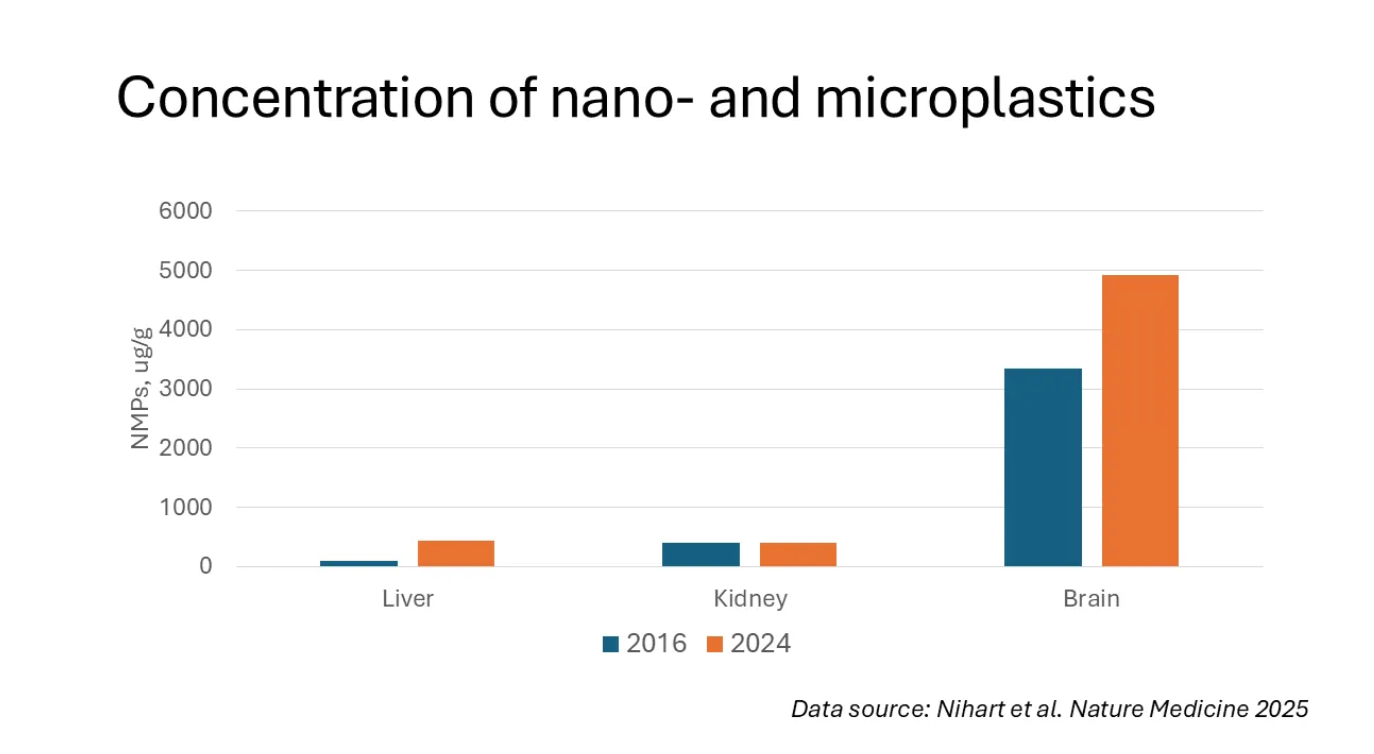
- Concentrations in frontal cortex: median ~3,345 μg/g (2016) rising to ~4,917 μg/g (2024) — 7–30× higher than liver/kidney. Even greater in dementia cases (up to 10–50× in cerebrovascular walls/immune cells).
- Mechanisms: Oxidative stress, microglial activation, neuroinflammation (↑ IL-1β, IL-6, TNF-α), neurotransmitter disruption (dopaminergic/cholinergic/glutamatergic), BBB hyperpermeability, autophagy dysregulation.
- Effects: Cognitive/motor impairment, neurodevelopmental toxicity (early-life PP exposure in mice/iPSC organoids), potential dementia/Alzheimer’s contribution, cerebral thrombosis risk. Inhaled or blood-borne nanoplastics reach via olfactory or vascular routes.
- In carotid plaques: Associated with 4.5× higher risk of myocardial infarction, stroke, or death. Cause cell obstruction, ferroptosis, inflammation, and plaque instability.
- Cytotoxicity, inflammation, endocrine disruption (↓ hCG release at blood-relevant doses). PS nanoplastics (20–100 nm) accumulate in trophoblasts, impair viability, and may reach fetus. Linked to premature birth risks and early-life neurotoxicity.
- Mitochondrial dysfunction, lysosomal overload, senescence, DNA damage, apoptosis. Act as “Trojan horses” carrying PFAS, heavy metals, pathogens. Pro-inflammatory cytokine surge; potential cancer (colon/lung via chronic inflammation) and metabolic/reproductive/immune effects.
Human in vivo data (systematic reviews 2026) confirms accumulation across organs with inflammation/functional impairment, but longitudinal causation studies are urgently needed (small samples, confounding issues persist).
Bottom-Line Analysis (March 2026): Nanoplastics represent plastic pollution’s “final boss” — invisible, ubiquitous, and biologically penetrating. 2025 breakthroughs (brain accumulation trends, dementia correlations, placental endocrine disruption, BBB molecular mechanisms) shifted the narrative from “emerging concern” to “clear and present danger.” While full reversal of existing body burdens isn’t feasible, aggressive macro cleanup + prevention can halt the escalation. The data demands urgent policy action: we’re not just ingesting plastic — it’s embedding in our brains and unborn children. The Ocean Cleanup buys precious time; humanity must now cut production at the source to protect the next generation.
